
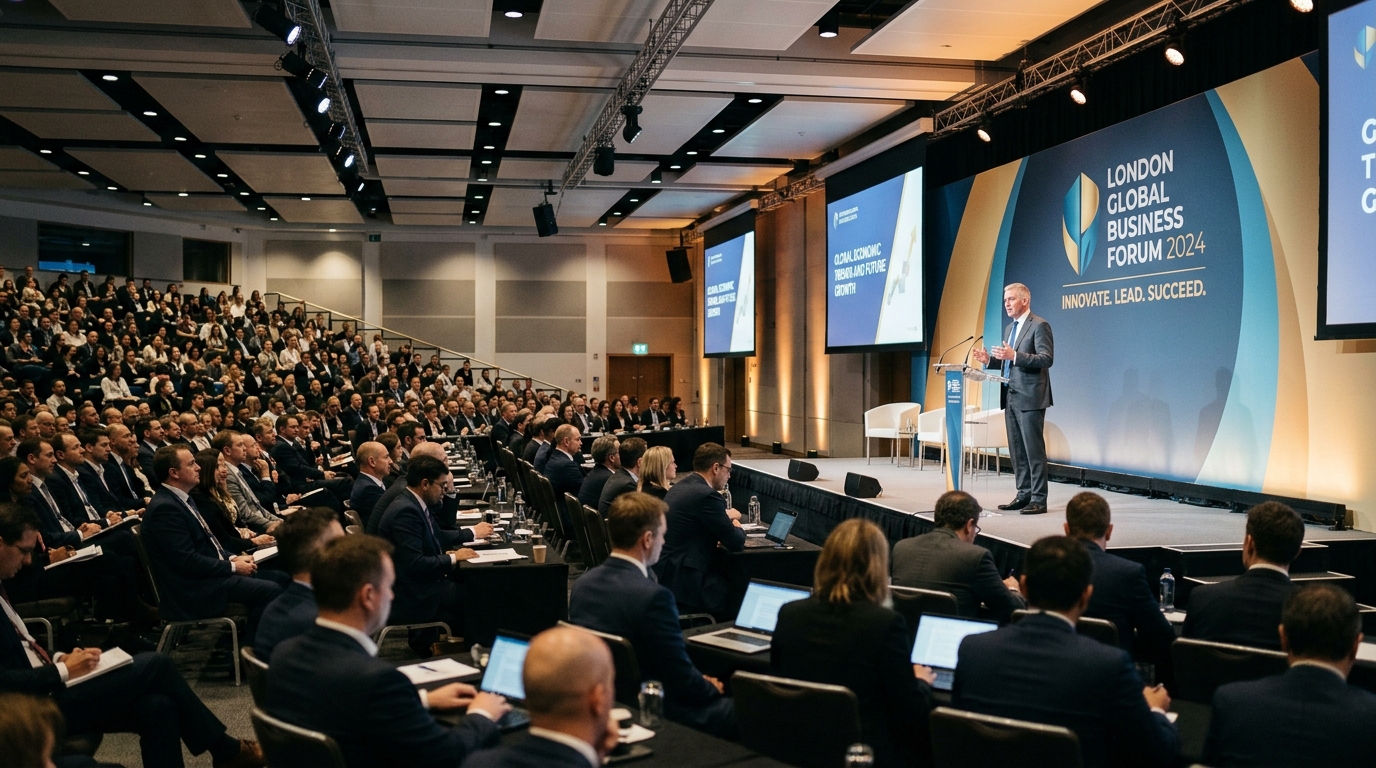
Most conference photography problems start before the photographer walks through the door. I have shot events where the brief was a one-line email sent the night before. I have also shot events where the organizer sent a detailed schedule, a shot list, and a venue floor plan two weeks in advance. The difference in what I could deliver was significant. A strong brief means the images serve your marketing, your press releases, your social channels, and your internal communications for months after the event. A weak brief means the images exist and not much more. If you are organising a conference or corporate event in London, this is the guide. I wish every client read before we spoke.
Why a Strong Conference Photography Brief Matters More Than Most Clients Realise
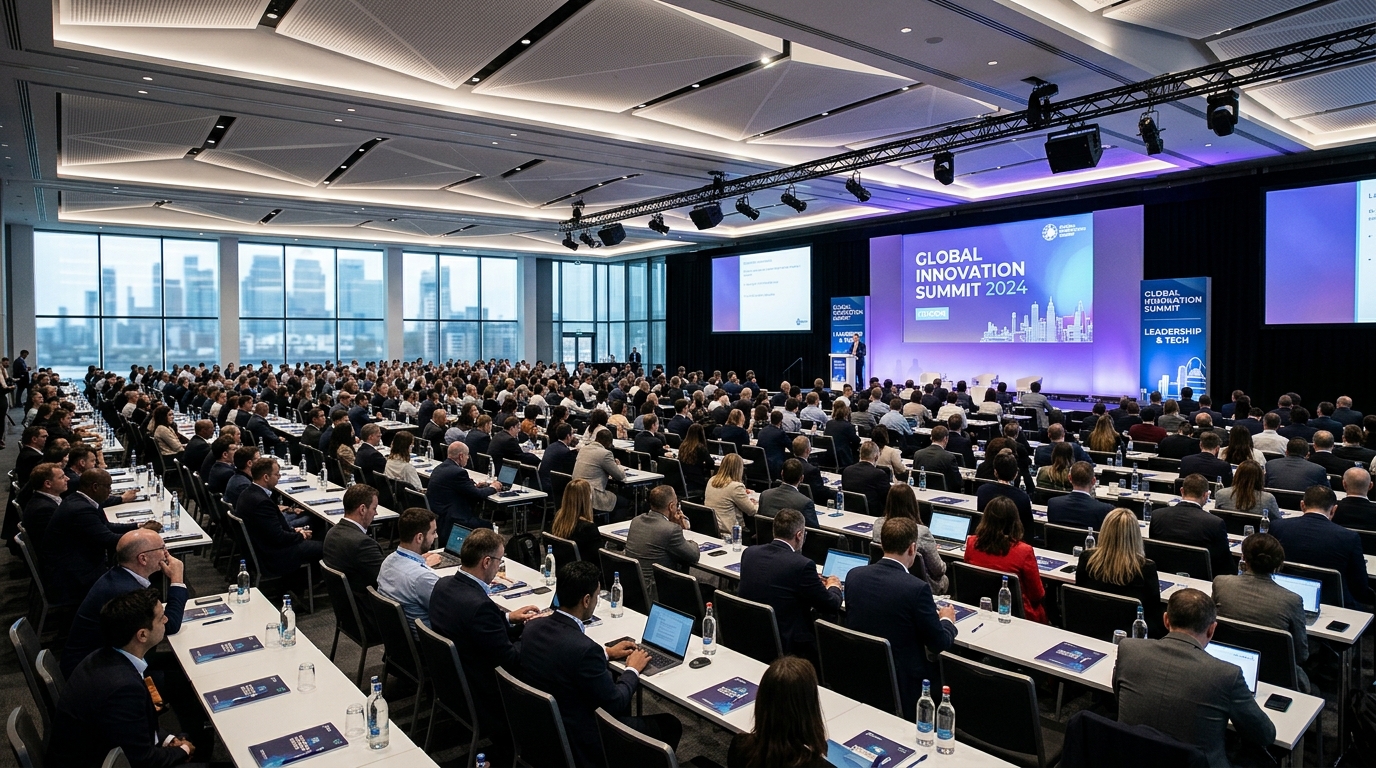
As Eventbrite’s UK event photography pricing and planning research1 confirms, the most common source of client disappointment in event photography is not the technical quality of the images. It is the mismatch between what the client needed from the shoot and what the photographer was briefed to produce. A conference photographer working from a strong brief arrives on site knowing which moments are priorities, which people must be captured, which branding elements need to appear in the final library, and which channels the images are destined for. A photographer working from a weak brief makes all of those decisions independently on the day, under time pressure, in a changing environment.
The brief is not an administrative formality. It is a creative and commercial document that determines the output of a professional conference photography commission. Every element you share before the day reduces the risk of gaps in coverage and increases the likelihood that the finished image library serves every purpose you need it to serve.
Conference photography produces images used across a wider range of channels than almost any other category of commercial photography. A single well-run shoot day produces imagery for the post-event press release, the LinkedIn summary post, the company intranet, the speaker’s own professional profiles, sponsor deliverables, the next year’s event marketing, and the internal communications deck. A brief that communicates all of these intended uses allows the photographer to compose, format, and prioritise shots accordingly rather than discovering the full range of requirements during post-production.
The Essential Information Every Conference Photographer Needs Before the Day

In my experience, the difference between a good conference photography result and a great one almost always comes down to preparation rather than skill. I have arrived at events with a detailed brief and left with a library the client used for six months. I have also arrived with almost no information and spent the first hour of the shoot figuring out what mattered.
As Studio Style’s guide to pre-booking photographer questions2 identifies, the photographers who consistently deliver the strongest results for corporate and conference clients are those who receive the most thorough pre-event briefing. The information a conference photographer needs before the day falls into five categories, each of which directly affects creative decisions made on the shoot.
The event schedule and room plan
A conference photographer needs the full running order of the day before they arrive on site. This means the start time and duration of each session, the location of each session within the venue, the names and titles of all speakers, the timing of any award presentations or group moments, and the schedule of any networking, meal, or social periods. A detailed schedule allows the photographer to plan their position for each key moment, identify the transitions between sessions where additional coverage can be captured, and ensure no priority shot is missed because they were in the wrong part of the venue.
For multi-room or multi-stage conferences, the schedule should also indicate which sessions are highest priority so the photographer can allocate their time across the day in proportion to your needs rather than giving equal weight to every element of the programme.
Your shot list and must-have images
A shot list is the single most effective element of a conference photography brief. It is a written list of every image that must be captured regardless of how the day unfolds around them. The shot list should include specific speaker shots confirming which individuals must have named portrait-quality images alongside the standard coverage, any award presentations or ceremonial moments that require close coverage, group photographs specifying who should be in each group and when they will be taken, sponsor or exhibitor stand coverage if sponsorship deliverables are part of the event contract, and any branded elements such as signage, entrance displays, or stage sets that must appear in the final library.
A shot list does not need to be exhaustive. It needs to identify the non-negotiable images that you would miss if they were not there. Everything else the photographer will capture as editorial coverage using their professional judgement. The shot list is a floor, not a ceiling.
The intended use of the images
A conference photographer who knows where the images will be used makes different compositional decisions from one who does not. Images destined for a LinkedIn post are composed differently from images destined for a press release or a printed annual report. Images needed for speaker marketing materials require a tighter, cleaner crop than images needed for wide editorial coverage of the room. If you need social media content delivered on the same day as the event, that requirement must be in the brief so the photographer can flag and prioritise those images during the shoot rather than identifying them during post-production the following week.
Branding and visual identity requirements
If your organisation has brand guidelines that affect the photography, share them before the day. This includes whether the brand requires consistent background colours or settings for speaker portraits, whether sponsor logos must appear in certain images, whether the event has a specific colour palette that should inform the lighting or post-production approach, and whether there are any visual elements that must not appear in the final library for contractual or commercial reasons.
Access and logistics
Practical logistics have a direct impact on what a conference photographer can capture. Confirm the venue address and the specific arrival point, any security clearance or accreditation requirements the photographer needs to arrange in advance, whether a site visit is possible before the event day, parking or equipment access arrangements for larger kit, and any sessions where photography is restricted or where flash is not permitted. For London venues in particular, access arrangements for equipment at central locations, the City, or Canary Wharf often involve advance notice to venue operations teams and should be confirmed as part of the brief rather than on the morning of the shoot.
How to Structure Your Conference Photography Brief as a Document
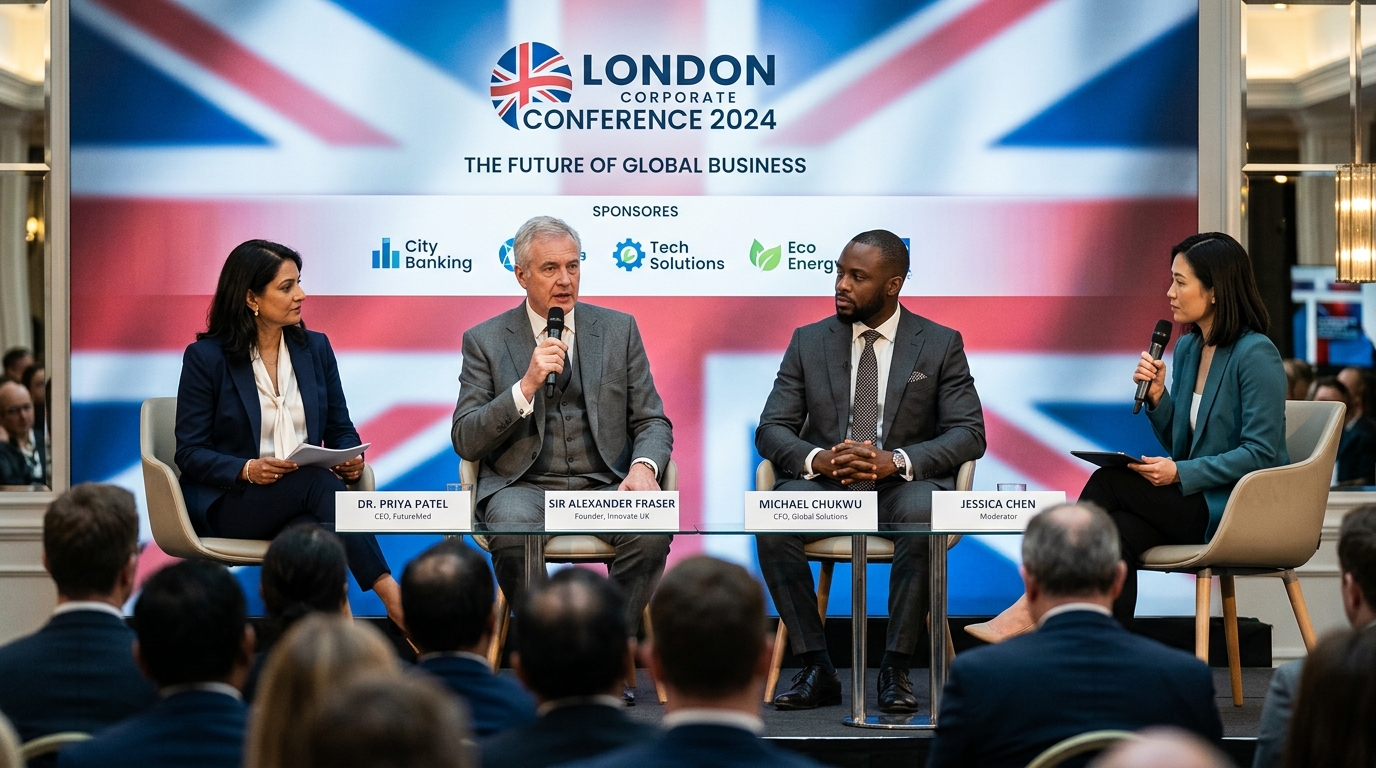
As Unmask Photography’s checklist for choosing and briefing a conference photographer3 confirms, a written brief delivered in advance produces measurably better outcomes than a verbal briefing on the morning of the event. The written brief gives the photographer time to identify questions, prepare equipment accordingly, research the venue, and arrive on the day already oriented to the event’s priorities rather than learning them in real time.
A well-structured conference photography brief does not need to be a long document. A one to two page brief covering the following sections is sufficient for most London corporate conference commissions:
- Event overview. Event name, organisation, date, venue, start and end time, expected number of attendees, and a one paragraph description of what the event is and what it is meant to achieve.
- Schedule. Full running order with timings, session titles, speaker names and titles, and location of each session within the venue.
- Shot list. Numbered list of must-have images with enough context for each to be unambiguous. Speaker portraits should name the individual. Group shots should specify who and when.
- Deliverable requirements. How many edited images you expect, in what format, by what deadline. If same-day or next-day delivery of a select set is required for press or social media, state this explicitly.
- Brand and visual guidelines. Any specific requirements affecting how images should look, what must appear in them, and what must not.
- Contact on the day. The name and mobile number of the person the photographer should contact on site if questions arise during the event.
What to Expect When You Brief a Conference Photographer Well
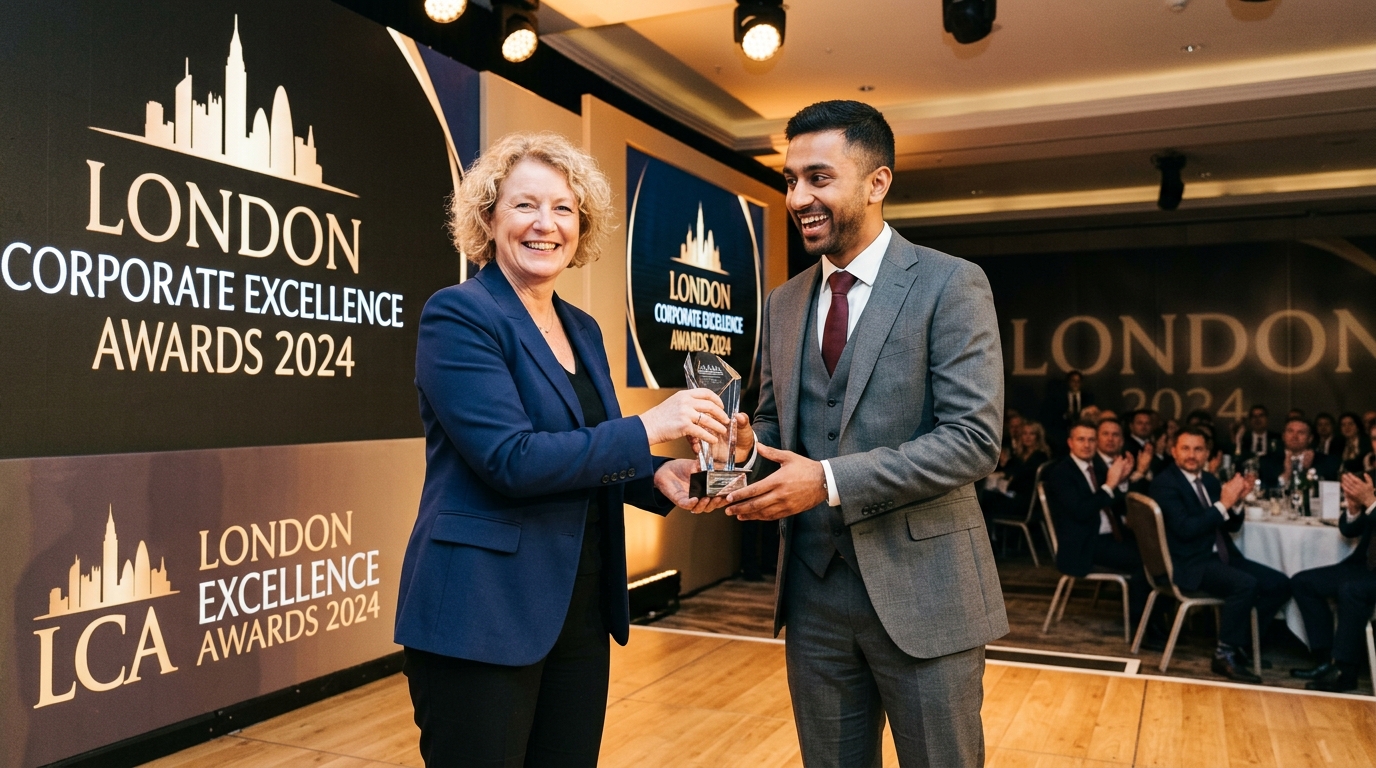
As Aaseel Brodd Photography’s guide to pre-booking event photographer questions4 notes, clients who invest time in a thorough brief consistently report higher satisfaction with the finished photography than those who leave briefing to the morning of the shoot. The difference is not simply that the photographer has more information. It is that the photographer arrives with a creative plan rather than improvising one under the pressure of a live event.
A conference photographer who has received a thorough conference photography brief in advance will arrive on site having already identified the key moments in the schedule, considered the lighting conditions in each session space, planned their position for the must-have shots, and thought through how to balance editorial coverage with the specific deliverables on the shot list. They will also have identified any questions that need answering before the day begins, which means the pre-shoot conversation on arrival is brief and efficient rather than an extended orientation exercise.
The practical outcomes of a well-briefed conference photography commission include:
- Complete coverage of all priority moments. Every item on the shot list is captured without requiring the client to chase images in post-production.
- Images formatted for their intended channels. Speaker portraits are composed with the crop ratios needed for LinkedIn and press use. Wide shots are composed with the banner space needed for website headers.
- Faster delivery. A photographer who knows which images are priorities can flag and process them first, enabling same-day or next-day delivery of the most time-sensitive content.
- Stronger editorial coverage. When the must-have shots are planned and secured early in the day, the photographer has the freedom and confidence to invest time in the candid and atmospheric coverage that makes a conference library commercially useful beyond the immediate post-event window.
Frequently Asked Questions
How far in advance should I send the brief to a conference photographer?
The brief should be sent at least one week before the event, and ideally two to three weeks in advance for larger or more complex conferences. This gives the photographer time to review the schedule and shot list, identify any questions or logistics issues, arrange access or accreditation if required by the venue, and carry out a site visit if the event is at a London venue they have not worked at before. Sending the brief the day before the event is better than not sending it at all, but it significantly reduces the photographer’s ability to prepare and increases the risk of gaps in coverage.
What if the schedule changes on the day?
Conference schedules change frequently, and an experienced conference photographer expects this. The most important thing is to have a named contact on the day who can communicate changes to the photographer as they happen. If a session is moved, a speaker runs long, or an unscheduled moment arises, a photographer with a good brief already knows which elements are non-negotiable and can adapt their coverage accordingly. The brief establishes the priorities. The contact on the day manages the changes.
Should I provide a shot list even if I want natural candid photography?
Yes. A shot list and candid photography are not in conflict. The shot list covers the moments that must be captured: named speaker portraits, award presentations, group photographs, and branded elements. Candid editorial coverage is everything else the photographer captures using their professional judgment throughout the day. A well-briefed photographer who has secured all the must-have shots early has more time and creative freedom for the candid and atmospheric images that make a conference library feel alive rather than merely complete.
How many images should I expect from a conference photography shoot?
For a full day conference in London, a professional conference photographer typically delivers between 100 and 250 fully edited images depending on the size of the event, the number of sessions, and the scope of the brief. For events requiring same-day delivery of a select set for press or social media, the first delivery is usually 20 to 40 images with the full library following within 24 to 72 hours. The deliverable expectations should always be confirmed in the brief rather than assumed.
What is the difference between a conference photographer and a general event photographer?
A specialist conference photographer brings specific experience with the formats, challenges, and deliverable requirements of corporate conference photography. This includes experience with low-light auditorium photography, the ability to produce clean speaker portraits under variable stage lighting, familiarity with the pace and structure of a corporate conference day, and an understanding of how conference images are used across press, social, internal communications, and marketing channels. See examples of how Joel Knight approaches conference and corporate event coverage in the conference photography portfolio and the corporate event photography portfolio at eventphotographer.photos.
Brief Your Conference Photographer with Confidence
[ IMAGE: IMAGE 7 — CTA Section — London conference close, branded stage with London skyline or venue exterior, editorial ]
A thorough conference photography brief is the most direct investment you can make in the quality and commercial usefulness of your event photography. It costs nothing beyond a few hours of preparation and it transforms the photographer’s ability to deliver a library that serves your organisation across every channel you need.
Joel Knight is a London-based conference photographer with extensive experience across corporate summits, industry conferences, awards evenings, and multi-day events throughout London and the UK. Every commission begins with a briefing process designed to ensure the finished library meets every requirement. Browse the full conference photography portfolio and the corporate and awards photography portfolio at eventphotographer.photos, then get in touch via the contact page to discuss your event.
REFERENCES & CITATIONS
One citation per H2 section. Inline anchor text is a live hyperlink. Superscript number is plain text beside it. All links open in a new tab in WordPress.
- Eventbrite UK (2025). Event Photography Pricing and Planning: Common Sources of Client Disappointment. eventbrite.co.uk. Cited in H2 Section 1. [Most common source of client disappointment in event photography is mismatch between what client needed and what photographer was briefed to produce.]
- Studio Style (2025). Pre-Booking Questions for Event Photographers: What Clients Should Ask. blog.studiostyle.com. Cited in H2 Section 2. [Photographers who receive the most thorough pre-event briefing consistently deliver the strongest results for corporate and conference clients.]
- Unmask Photography (2026). How to Choose the Right Conference Photographer: A Simple Checklist. unmaskphotography.com. Cited in H2 Section 3. [A written brief delivered in advance produces measurably better outcomes than a verbal briefing on the morning of the event.]
- Aaseel Brodd Photography (2025). 21 Essential Questions to Ask Your Event Photographer Before Booking. aseelbroddphotography.com. Cited in H2 Section 4. [Clients who invest time in a thorough brief consistently report higher satisfaction with the finished photography than those who leave briefing to the morning of the shoot.]