
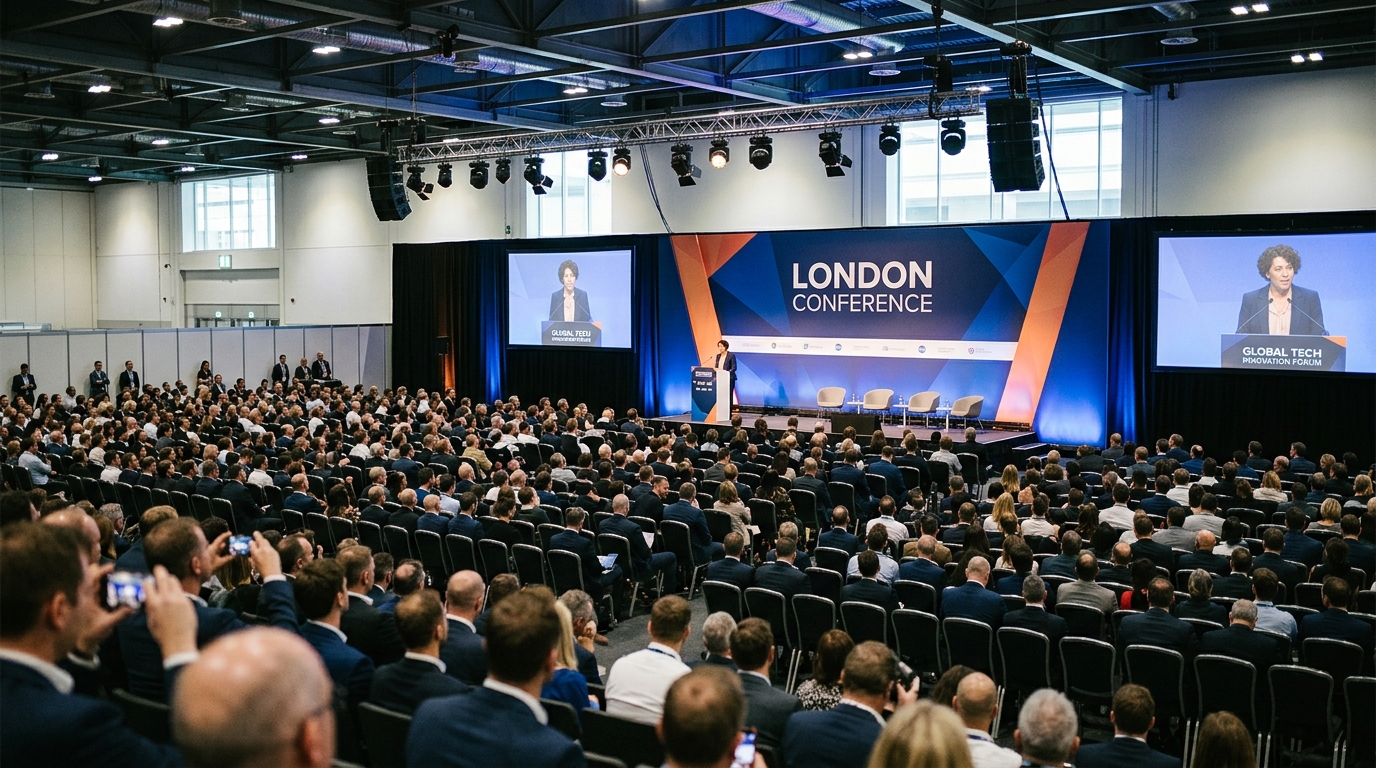
I have photographed conferences where the client came back asking why the images felt flat, even though everything in the room looked impressive on the day. The answer was almost always the same. The photography was documenting the event rather than communicating it. There is a significant difference between those two things, and it shows up clearly in the final library. Good conference photography does not simply record what happened. It produces images that make a prospective client want to attend next year, that make a delegate feel proud to share what they were part of, and that make a sponsor feel their investment in the event was visible and worthwhile.
This guide covers the specific qualities that separate genuinely strong conference photography from adequate coverage, and what event organisers in London can do to ensure their next conference shoot delivers images that work commercially long after the day itself.
The Difference Between Documenting a Conference and Communicating One
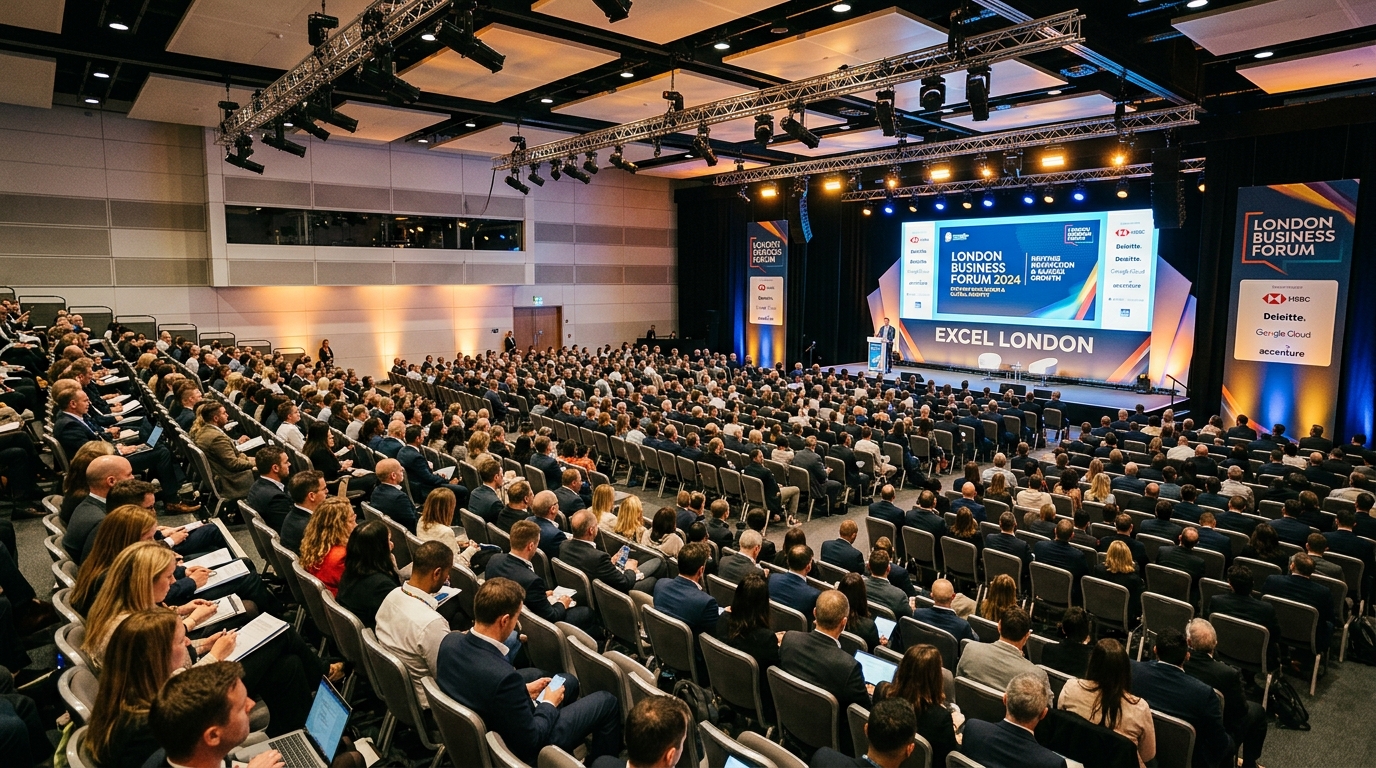
In my experience, the clients who are most disappointed with their conference photography are not those whose photographer made technical mistakes. They are those whose photographer covered the event without understanding what it was for. I shot a major industry summit in central London a few years ago where the previous photographer had delivered three hundred images of people sitting in chairs. Technically fine. Commercially useless.
As Bernardson Photography’s professional guide to event photography strategy1 identifies, modern event photography has moved well beyond simple documentation. A specialist conference photographer serves as a visual storyteller whose job is to capture the narrative thread that runs through the event, from the arrival energy and the keynote authority to the networking connections and the closing atmosphere. Each of those moments communicates something specific about the event and the organisation running it, and each requires a different creative approach to capture effectively.
The practical difference shows up in how images are used after the event. Documentation images sit in a shared folder and get downloaded by a few people. Communication images appear on LinkedIn, in the post-event press release, on the organisation’s website, in next year’s event marketing, and in the annual report. The images that do that commercial work are composed and captured with that purpose in mind from the start of the shoot, not assembled from whatever the photographer happened to take during the day.
The Five Qualities That Define Strong Conference Photography

After covering conferences across London for over twenty years, I can tell you that the difference between a library the client uses for six months and one they forget about comes down to five things consistently.
Clean speaker portraits that work as standalone images
The most commercially used images from any conference are almost always the speaker portraits. These are the images that go on LinkedIn, into press releases, onto the event recap page, and into the speaker’s own marketing materials. A strong conference photography set includes clean, well-lit portrait-quality images of every named speaker, captured in a way that includes enough of the event branding and environment to communicate that this is a conference image rather than a generic portrait. Getting these right requires positioning, timing, and an understanding of stage lighting that varies significantly from venue to venue.
Images that show audience engagement, not just the front of the room
One of the most common weaknesses in conference photography is a library that shows the speakers clearly and the audience as a sea of the backs of heads. The most powerful conference images show the relationship between what is happening at the front and how the room is responding. A shot from the side of the room that captures a speaker mid-gesture with a clearly engaged audience in the middle distance communicates energy and authority simultaneously. These shots require the photographer to move, to anticipate, and to choose positions that serve the image rather than positions that are simply convenient.
Candid networking and connection moments
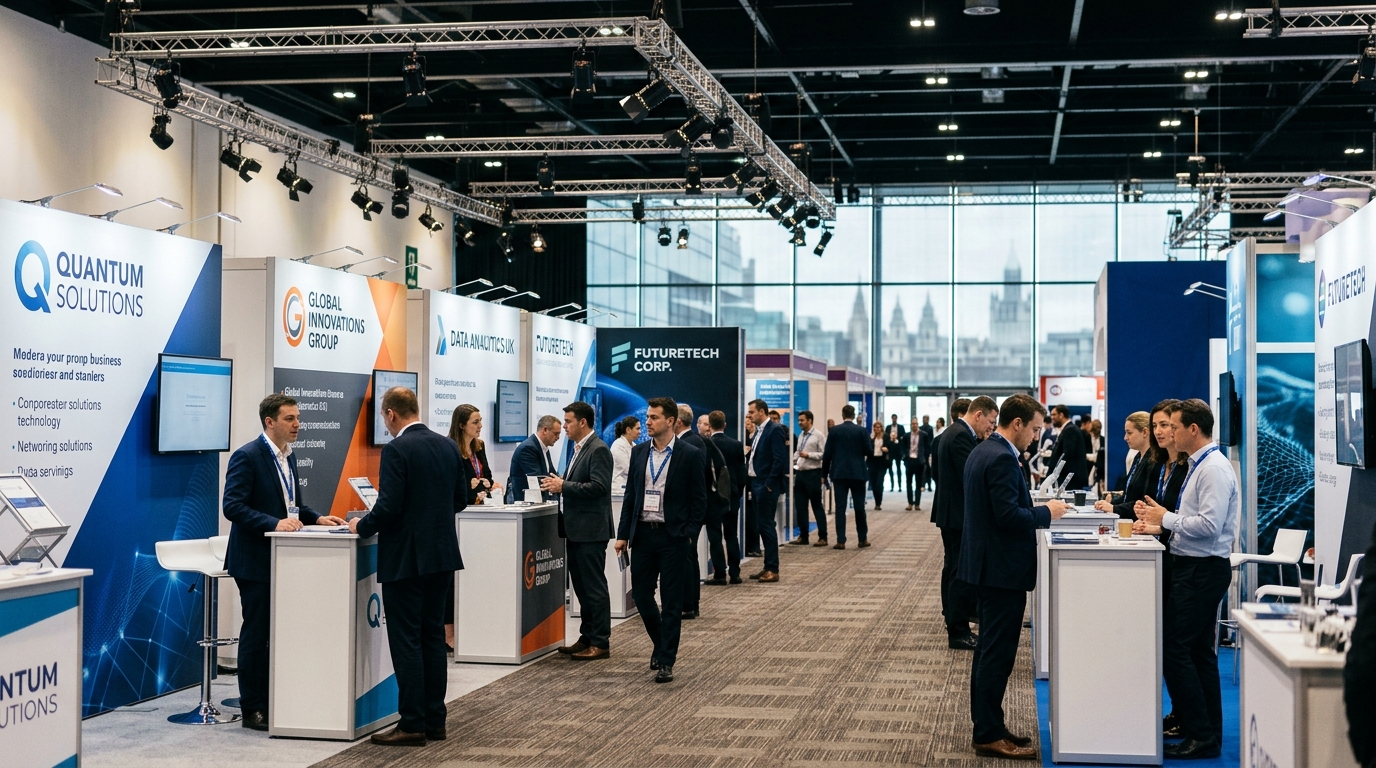
Conferences are not just about the sessions. The networking breaks, the informal conversations by the coffee station, the two delegates who met for the first time during lunch, the speaker being congratulated by an attendee after their session. These moments communicate the human value of the event and they are the images that perform best on social media because they show real people in real interaction rather than staged or posed content. Capturing them requires the photographer to be comfortable moving through a crowd and reading moments before they happen.
Branding that appears naturally throughout the library
Sponsors pay for visibility. Organisers need to demonstrate that visibility to secure the same sponsors next year. A professional conference photography checklist always includes deliberate coverage of event branding: the stage set, the entrance signage, the exhibition stands, the branded lanyards and materials on tables. These are not afterthoughts. They are a deliverable that smart conference photographers build into their coverage plan from the start of the day.
Consistent technical quality across every session and lighting condition
Conference venues in London vary enormously in their lighting conditions. A large hotel ballroom with professional event lighting is very different from a converted warehouse space with mixed natural and artificial light, which is very different again from a breakout room with standard fluorescent ceiling panels. A professional conference photographer arrives with the equipment and technical knowledge to produce consistent image quality across all of these conditions rather than delivering a library where the main stage images look strong and the breakout session images look underexposed and flat.
What Event Organisers Can Do to Get Better Conference Photography

In practice, the event organiser has more influence over the quality of the finished photography than most people realise. The photographer’s skill is a given. What the organiser controls is the conditions in which that skill is applied.
As Retines Photography’s 2025 guide to event photography strategy2 confirms, successful conference photography begins well before the first shot is taken. The planning and communication that happens in the days before the event determines how efficiently the photographer can work on the day and how completely the finished library covers the event’s commercial requirements.
The most effective things an event organiser can do to improve the quality of their conference photography output include:
- Share the full running order at least one week before the event. A photographer who knows exactly when each session starts, where it is in the venue, and who is speaking in it can plan their movements and positions in advance rather than learning the schedule in real time.
- Identify your three most important images before the day. Not the full shot list. Just the three images that would be missing from the library if the shoot went wrong. These become the photographer’s absolute priorities and everything else is built around them.
- Brief the venue on photographer access. For London venues, particularly in the City and Canary Wharf, access restrictions and security protocols can significantly limit where a photographer can move during a session. Confirming access with the venue operations team before the day avoids surprises that compromise coverage.
- Allow time for a pre-event walkthrough. Even fifteen minutes with the photographer before the first delegates arrive is enough to agree positions for key shots, identify any lighting challenges in each space, and confirm who the on-site contact is for changes during the day.
- Tell the photographer which images need same-day delivery. If your social media team needs images from the morning session during the lunch break, that requirement needs to be in the brief. A photographer who knows about it can flag and process those images immediately. A photographer who finds out at lunch cannot.
How Technology Is Changing What Good Conference Photography Can Deliver
In practice, the technology available to conference photographers in 2025 has raised the baseline standard significantly. Equipment that was specialist kit a few years ago is now standard, and the implications for what a good conference photography commission can deliver are worth understanding.
As Photier’s report on event photography trends in 20253 identifies, advances in camera technology have made it significantly easier to produce clean, high-quality images in the challenging lighting conditions that conference venues present. High-performance mirrorless camera systems with AI-enhanced autofocus, silent shooting modes, and exceptional low-light performance mean that a professional conference photographer can capture sharp, well-exposed images in auditorium lighting conditions that would have required flash photography a decade ago. This is commercially significant because flash photography in a session disrupts speakers and delegates and changes the atmosphere of the images in ways that available-light photography does not.
Silent shooting for undisturbed coverage
Modern mirrorless cameras operate in a completely silent mode that produces no audible shutter sound. For conference photography, this is a genuine change in what is possible. A photographer using silent shooting can capture candid audience reactions, speaker close-ups during quiet moments, and intimate networking conversations without anyone in the room being aware that a photograph is being taken. The images that result feel more natural and more authentic because they are.
Same-day delivery for press and social media
The workflow tools now available to professional photographers mean that images from the morning session of a London conference can be edited, colour-graded, and delivered to the client’s communications team in time for a lunchtime social media post. This requires planning, a clear brief about which images are priority, and a photographer who builds the delivery workflow into their shoot day rather than treating it as a post-event task. For organisations where the event’s social media presence is active during the day, this capability is a significant commercial advantage.
Frequently Asked Questions
How do I know if a conference photographer is good enough for my event?
Look at their portfolio specifically for conference and corporate event work rather than general commercial photography. The images should show clean speaker portraits under stage lighting, engaged audience shots, candid networking moments, and consistent technical quality across different lighting conditions. Ask them how many conferences of a similar size they photograph each year and what their standard delivery timeline is. A specialist professional conference photographer will have clear, confident answers to both questions.
Does the size of the conference affect what counts as good photography?
The principles of good conference photography are the same regardless of size. Speaker portraits, audience engagement, candid networking, and branding coverage matter whether you have sixty delegates or six hundred. What changes with scale is the logistics. A larger conference with multiple rooms and simultaneous sessions may require a second photographer to ensure full coverage. A smaller event gives a single photographer more flexibility to move between spaces and capture a wider range of moments. Discuss the scale of your event with the photographer at briefing stage and agree whether a second shooter is appropriate.
What is the most common mistake in conference photography?
In my experience, the most common mistake is shooting the whole day from the same position. I see a lot of conference libraries where every speaker image is taken from the same spot in the middle of the room and every audience shot is from the front looking back. The strongest conference libraries come from a photographer who moves constantly, who finds different angles for each session, and who thinks about what each image needs to communicate rather than where it is most convenient to stand. Position is a creative decision, not a logistical one.
Should conference photography include images of delegates without their knowledge?
Candid photography of delegates in a public conference setting is standard practice and is covered by the event’s photography policy, which should be stated in the event registration process. For events where delegates include senior executives, public figures, or individuals from regulated industries, it is worth confirming the photography policy with your legal or communications team before the event and briefing the photographer on any restrictions. As Social Tables’ guide to hiring event photographers4 notes, clear expectations about image use and consent should be established before the shoot rather than after delivery.
How long after the conference should I expect to receive the images?
For a standard full-day London conference, a professional photographer typically delivers the full edited library within 24 to 72 hours. If same-day delivery of a select set is required for press or social media, this needs to be agreed in the brief and factored into the photographer’s shoot day workflow. As Neurapix’s guide to professional event photography equipment and workflow5 confirms, the post-production workflow is as important as the shoot itself for events where fast delivery is a commercial requirement. A photographer who builds fast delivery into their standard process produces a very different outcome from one who treats editing as an afterthought.
Book a Conference Photographer Who Understands What the Images Need to Do
Strong conference photography is not simply a function of having a good camera in the room. It comes from a photographer who understands what the event is communicating, who plans their coverage around the images that matter most, and who delivers a library that serves the organisation across every channel it needs to appear on.
Joel Knight is a London-based conference and corporate event photographer with over twenty years of experience covering summits, industry conferences, awards evenings, and multi-day events across London and the UK. Browse the full conference photography portfolio and the corporate and awards photography portfolio at eventphotographer.photos, then get in touch via the contact page to discuss your event.
REFERENCES & CITATIONS
- Bernardson Photography (2025). Event Photography That Captures the Spirit of the Moment: A Professional Guide. bernardson.com. Cited in H2 Section 1. [Modern event photography has moved beyond simple documentation to visual storytelling that captures the narrative thread running through an event.]
- Retines Photography (2025). The 2025 Guide to Event Photography: Strategy, Planning, and Execution. retines.fr. Cited in H2 Section 3. [Successful conference photography begins well before the first shot is taken, with planning and communication in the days before the event determining how efficiently the photographer can work.]
- Photier (2025). Five Event Photography Trends in 2025: Technology, AI, and Changing Standards. photier.com. Cited in H2 Section 4. [Advances in camera technology have significantly raised the baseline standard of conference photography, particularly in challenging venue lighting conditions.]
- Social Tables (2025). How to Hire an Event Photographer: 20 Tips for Getting the Shots You Need. socialtables.com. Cited in H2 Section 5 FAQs. [Clear expectations about image use and consent should be established before the shoot rather than after delivery.]
- Neurapix (2025). Must-Have Equipment for Professional Event Photographers: Workflow and Delivery. neurapix.com. Cited in H2 Section 5 FAQs. [Post-production workflow is as important as the shoot itself for events where fast delivery is a commercial requirement.]