

I have noticed a clear pattern across the London companies whose events I photograph. The ones who treat their event photography purely as an event record use the images once and move on. The ones who treat it as employer brand content use those same images for twelve months, across their careers page, their LinkedIn company profile, their job listings, their internal newsletter, and their induction materials. Same shoot. Same images. Completely different commercial output.
The difference is not budget. It is intention. Event photography for employer branding does not require a separate shoot from your standard conference or awards coverage. It requires a different brief, a different shot list, and a different content plan. This guide covers exactly how London HR and talent teams are using their event photography to build employer brands that attract better candidates, and how to set up your next shoot to do the same.
Why Employer Branding Now Depends on Visual Authenticity, Not Polished Campaigns

When I started photographing corporate events in London, the employer branding conversation was almost entirely about polished campaign photography: studio shoots of perfectly composed teams, lifestyle images with models, branded backdrops and choreographed smiles. That approach still exists but it has become significantly less effective, particularly with the candidates that London’s most competitive employers are trying to reach.
As LinkedIn Business’s research on professional brand content and candidate behaviour1 confirms, candidates at the senior and specialist level consistently report that authentic photography of real employees in real working contexts is more influential in their employer evaluation than polished campaign imagery. A genuine image of a team at an all-staff conference, a candid moment from a company away day, or an unscripted reaction shot from an awards evening communicates more about what it actually feels like to work for an organisation than any carefully art-directed brand shoot.
This is commercially significant for London employers for a specific reason. The candidate research process before a senior job application in London now almost always includes a review of the company’s LinkedIn company page, its careers website, and its Glassdoor profile. The photography on those pages is making an impression before any recruiter conversation, before any interview, and before any offer. A company whose event photography communicates a culture of genuine recognition, interesting work, and human connection is starting that conversation with a significant advantage over one whose pages show generic stock images or outdated studio portraits.
The Event Types That Produce the Strongest Employer Brand Photography
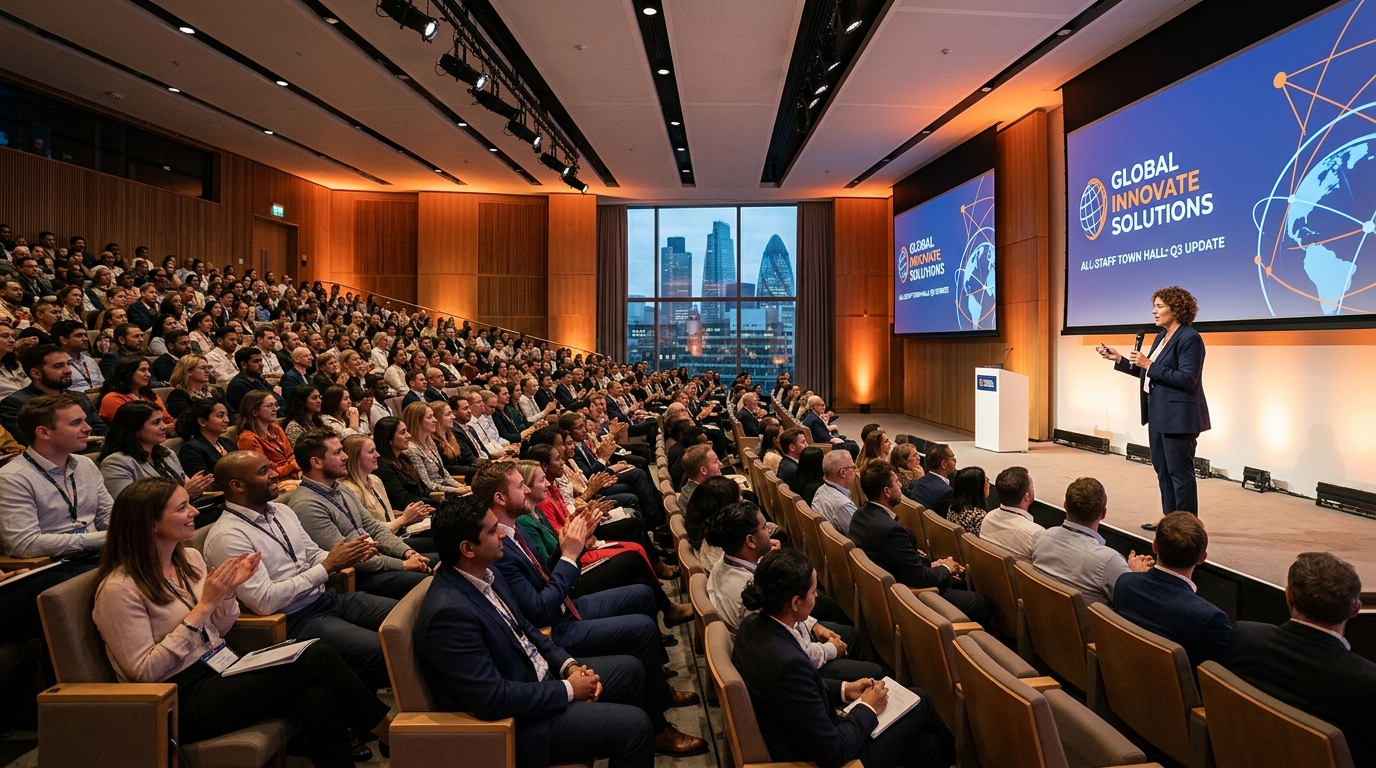
In practice, the events that produce the strongest employer brand photography London content are not always the ones organizations think of first. The big set-piece events have their place, but some of the most commercially effective employer brand images I have produced for London clients have come from smaller, less formal occasions where the genuine culture of the organization is more visible.
As Bernardson Photography’s guide to authentic corporate event imagery2, the most credible employer brand photography comes from events where employees are captured in genuine states of engagement, connection, and positive experience rather than arranged for the camera. The specific event types that consistently produce the strongest workplace event photography for employer branding purposes include:
All-staff conferences and company town halls
An all-staff conference is the single most powerful employer brand event a company can photograph. It shows the full scale of the organization, the diversity of its people, the quality of its internal communication, and the investment it makes in bringing its teams together. A wide shot of a well-attended all-staff conference in a London venue communicates organizational health and cultural investment in a way that no other image type can replicate. For candidates evaluating whether an organization is the kind of place they want to work, this image does significant persuasive work.
Team recognition and awards events
A corporate awards evening or team recognition event shows candidates something specific about the organisation’s values: that it identifies and celebrates the contribution of its people publicly and with ceremony. The images that work best for employer branding from these events are not the formal trophy handovers but the candid reactions: the colleague who learns their team has won, the group celebrating together at their table, the speaker who mentions a specific person’s contribution and the room responds. These images communicate culture with an emotional specificity that a values statement on a careers page cannot.
Learning and development events
Training days, skills workshops, leadership development programs, and external speaker events all communicate that an organisation invests in the growth of its people. Photography from these events shows candidates something that matters enormously in competitive London talent markets: that joining this organisation comes with genuine investment in their professional development. A candid image of a senior leader running a workshop session or a group of employees engaged in a skills training exercise communicates this with a directness that a line in the job description cannot.
Social and wellbeing events
Summer parties, charity days, team away days, and wellbeing events all communicate that the organisation has a culture beyond the work itself. The photography from these events is the content that performs best on social media because it shows the human side of the organisation: people who genuinely enjoy working together. For candidates who are evaluating multiple similar offers from London employers, images that communicate genuine social culture and human connection are often the deciding factor.
How to Brief an Event Photographer for Employer Brand Content
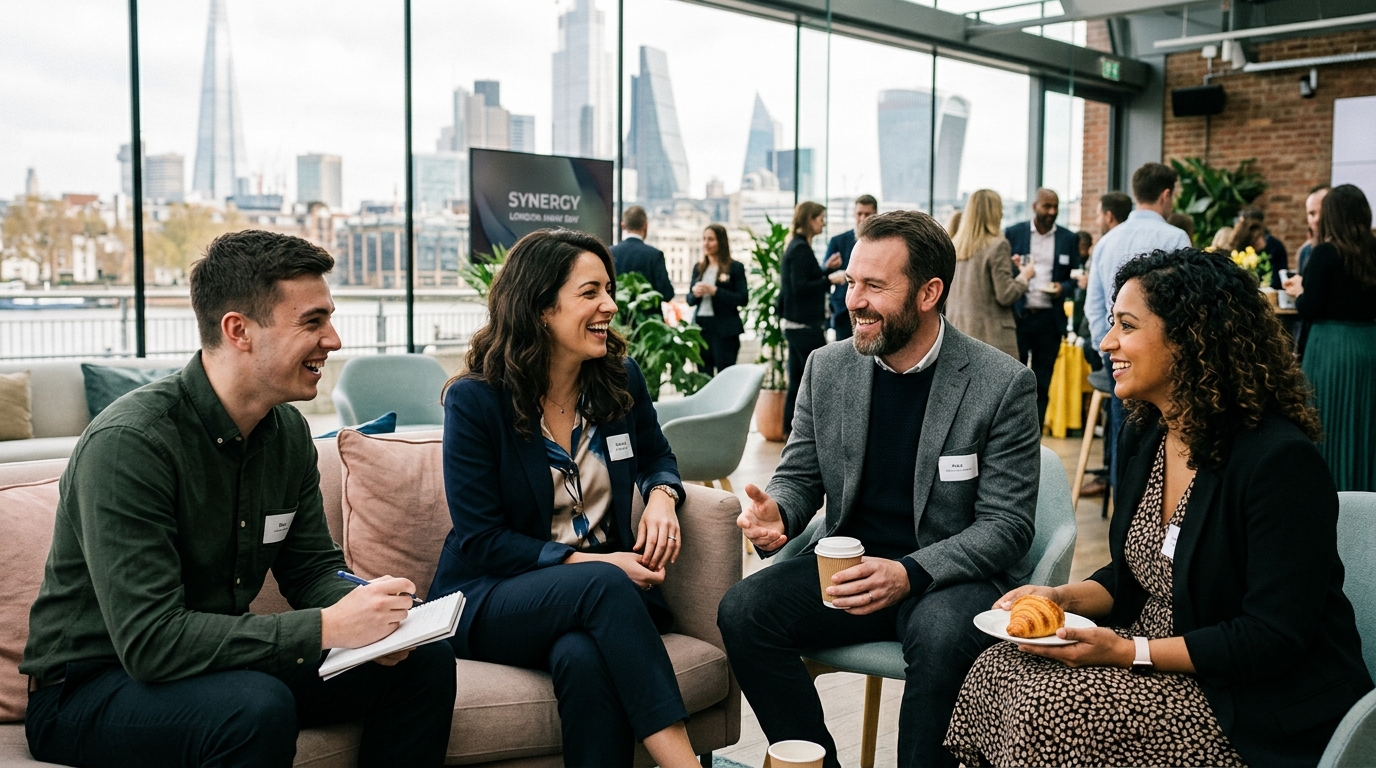
The most common mistake London HR and talent teams make when commissioning event photography for employer branding purposes is briefing a standard event photographer with a standard event brief. They get standard event photography: formal coverage, stage shots, group poses. The images are fine as an event record, but they do not serve the specific visual arguments that employer brand content needs to make.
As Social Tables’ guide to event photography briefing for brand and HR teams3, employer brand photography requires a different brief from standard event coverage because it is serving a different commercial purpose. The specific elements of a brief that shift standard event photography into employer brand territory include:
- State the employer brand story explicitly. Before the photographer arrives, share the specific aspects of your culture and values that the imagery needs to communicate. Not generic terms like ‘inclusive’ or ‘innovative’ but specific, concrete things: we invest in junior talent, our senior leaders are accessible, and our teams genuinely enjoy working together. The photographer can then make creative decisions that serve those specific stories rather than generic event documentation.
- Ask for candid priority over formal. An employer brand brief should explicitly prioritize candid, unposed photography over formal coverage. This does not mean no formal shots. It means that when the photographer has a choice between a posed group photograph and a candid moment of genuine connection, the brief tells them that the candid moment is more valuable for your specific purposes.
- Request diversity-aware coverage. For employer brand content used in recruitment, the photography should reflect the diversity of the organization’s people across age, ethnicity, gender, and role level. Share any guidance on representation with the photographer before the event and ask them to ensure coverage reflects the full breadth of the audience rather than defaulting to the most senior or most visible individuals in the room.
- Specify the digital channels and their format requirements. LinkedIn company page headers require a specific landscape crop. Job listing illustrations perform best with images that have clear space for text overlay. Careers page hero images need a certain scale and composition. Sharing these requirements at briefing stage means images are composed for their intended use rather than adapted after delivery.
- Include individual portrait delivery as a deliverable. For employer brand content, clean individual portraits of employees captured at the event serve a range of purposes beyond the standard event library: LinkedIn profile updates, internal directory photographs, press bios, and careers page team sections. Including this as an explicit deliverable in the brief rather than assuming it will happen produces a far more consistent and commercially useful output.
Where to Use Event Photography Across Your Employer Brand and Recruitment Channels
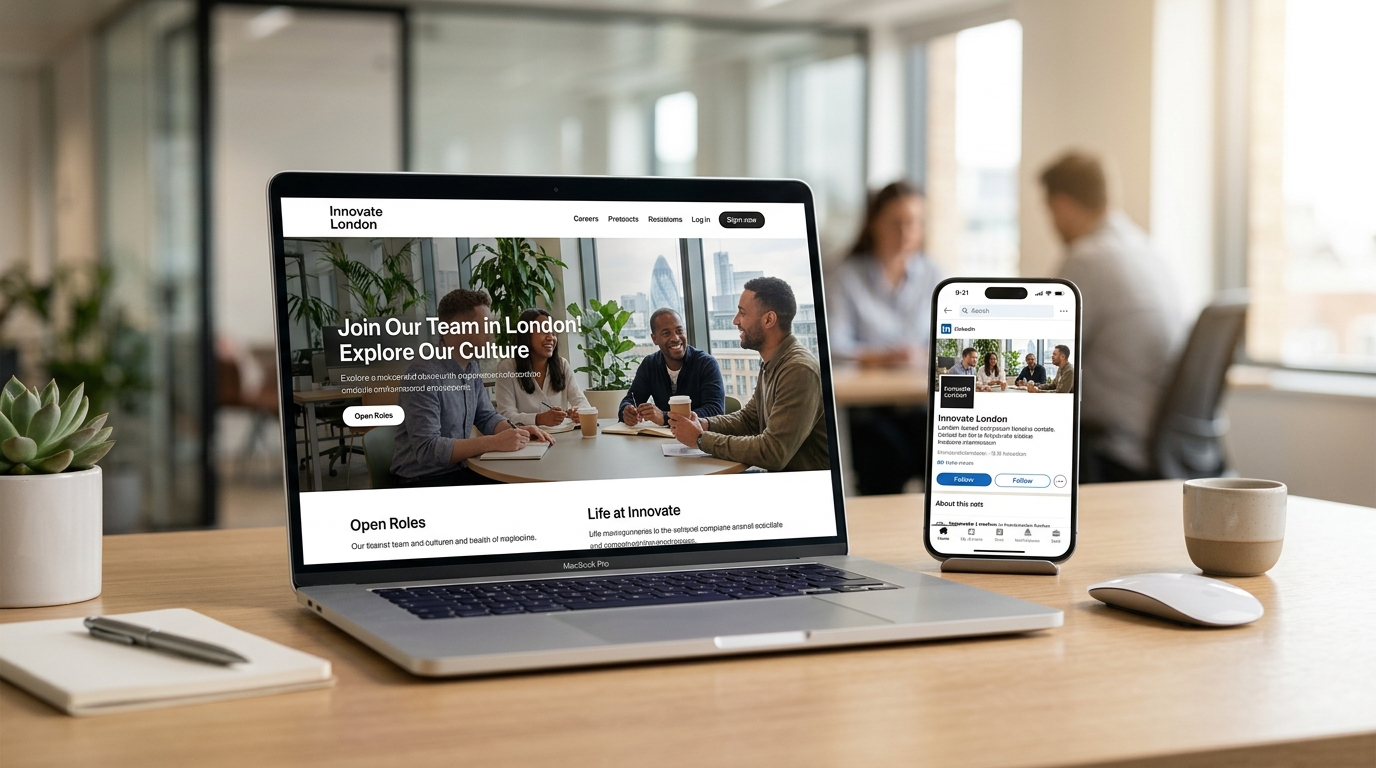
The same image library from a single well-briefed corporate event can serve an employer brand across five or six distinct recruitment and talent channels. In practice, the companies that extract the most value from their event photography for employer branding are those that have a deployment plan ready before the images arrive rather than deciding how to use them after the fact.
As Retines Photography’s 2025 guide to employer brand visual content strategy4, the organizations that achieve the strongest return from their employer brand photography investment are those that plan for multi-channel deployment from the outset of the commission rather than treating each channel as a separate content problem. The specific channels where corporate event photography brand content performs most effectively include:
LinkedIn company page and LinkedIn Jobs
LinkedIn is the primary digital touchpoint for senior candidate research in London. A company page whose cover image and recent posts feature genuine photography from internal events communicates an active, people-focused culture to every candidate who visits the page. LinkedIn Jobs listings that include a genuine image of the team or the working environment perform measurably better than those that use generic stock imagery or no image at all. The photography needs to be recent, authentic, and sized correctly for LinkedIn’s display formats.
Careers website and job listing pages
The careers section of a company website is visited by virtually every candidate who is seriously considering an application. The photography on that page is communicating the quality and character of the organization to people who are already interested enough to be researching it in depth. Generic stock imagery on a careers page communicates that the organization does not take its employer brand seriously. Genuine photography from internal events communicates investment, culture, and human connection with a specificity that stock images structurally cannot achieve.
Glassdoor and employer review platforms
Candidates researching London employers consistently use Glassdoor and similar platforms as part of their due diligence before accepting an offer. Employer profile pages on these platforms that feature genuine workplace event photography alongside employee reviews create a more complete and credible picture of the organization than text reviews alone. A well-photographed awards evening or team event uploaded to the company’s Glassdoor profile provides visual evidence that corroborates positive reviews and counters the one-sided impression that negative reviews alone can create.
Internal onboarding and employee experience
Employer brand photography does not only serve external recruitment. It serves the employee experience of current staff as well. New joiner induction materials that feature genuine photography of real teams at real events communicate that the organisation is a place where people are celebrated, invested in, and socially connected. This use of event photos for HR and talent is often overlooked, but it contributes directly to early-tenure engagement and retention, which are the metrics that matter most to talent teams beyond the hire itself.
Frequently Asked Questions
Can we use standard event photography for employer branding, or does it need a separate shoot?
In most cases, a single well-briefed shoot can serve both standard event documentation and employer brand photography purposes simultaneously. The key is communicating both requirements in the brief before the event so the photographer can structure their coverage to address both. A standard event brief produces coverage of the programme. An employer brand brief adds a layer of candid, culture-focused imagery that runs alongside the event documentation. The additional briefing costs nothing. The additional value is significant.
How do we get consent from employees to use their images in recruitment materials?
For internal events where employees have been invited and are aware that photography is taking place, consent for internal communications use is generally covered by the employment relationship and standard event communications. For external recruitment use, particularly on public-facing platforms such as LinkedIn, Glassdoor, and the company website, it is best practice to obtain explicit written consent from individuals whose images will be used. A simple consent form circulated alongside the event invitation, or a post-event email to participants, is the most reliable approach. As Neurapix’s guide to event photography rights and consent in professional settings5, the consent process is straightforward when it is built into the event planning workflow rather than addressed retrospectively after images have already been published.
How often should employer brand photography be updated?
The photography on a company’s careers page and LinkedIn profile should be refreshed at least annually. In practice, the London companies that maintain the strongest employer brands use every significant internal event as an opportunity to add fresh content to their library, producing a rolling update cycle that keeps the visual representation of the organisation current. Imagery that is more than two years old risks misrepresenting the organisation’s current team, culture, and environment, which creates a credibility gap between the digital impression and the reality a candidate encounters at an interview or upon joining.
What is the difference between employer brand photography and corporate headshots?
Corporate headshots and employer brand photography London serve different but complementary purposes. Headshots communicate individual professional credibility and are used on LinkedIn profiles, the company website team page, and press materials. Employer brand photography communicates collective culture and working environment and is used on careers pages, job listings, and employer review platforms. Both are part of a complete employer brand visual strategy. Joel Knight provides both through headshot and portrait photography and corporate event photography services, which can be combined into a single commission for maximum efficiency.
Which London industries use event photography for employer branding most effectively?
In my experience, the London sectors that extract the most value from event photography for employer branding are those competing most intensely for specialist talent: technology, professional services, financial services, law, and creative industries. In these sectors, the difference between a strong employer brand and a weak one directly affects the quality and cost of talent acquisition. A professional services firm in the City that invests in authentic event photography and deploys it systematically across its recruitment channels consistently attracts better candidates at lower cost than an equivalent firm that relies on job board listings alone. The photography is not a marketing expense. It is a recruitment infrastructure investment.
Commission Employer Brand Event Photography in London
The organisations that attract the best talent in London are not always those with the biggest budgets or the most famous brands. They are those that communicate their culture most clearly and most authentically through every touchpoint a candidate encounters. Event photography for employer branding is one of the highest-leverage investments available to a talent team, because it produces content that serves the recruitment function across every channel simultaneously from a single shoot day.
Joel Knight is a London-based corporate event and employer brand photographer with extensive experience working with HR and talent teams across London’s professional services, technology, and financial sectors. Browse the full corporate and awards photography portfolio, the conference photography portfolio, and the headshots and portraits portfolio at eventphotographer.photos, then get in touch via the contact page to discuss your employer brand photography brief.
REFERENCES & CITATIONS
- LinkedIn Business (2023). Professional Brand Content and Candidate Behaviour: Authenticity in Employer Visual Communication. business.linkedin.com. Cited in H2 Section 1. [Candidates at senior and specialist level consistently report that authentic photography of real employees in real working contexts is more influential in employer evaluation than polished campaign imagery.]
- Bernardson Photography (2025). Authentic Corporate Event Imagery: What Employer Brand Photography Actually Requires. bernardson.com. Cited in H2 Section 2. [Most credible employer brand photography comes from events where employees are captured in genuine states of engagement, connection, and positive experience rather than arranged for the camera.]
- Social Tables (2025). Event Photography Briefing for Brand and HR Teams: Shifting from Event Record to Employer Brand Content. socialtables.com. Cited in H2 Section 3. [Employer brand photography requires a different brief from standard event coverage because it is serving a different commercial purpose.]
- Retines Photography (2025). Employer Brand Visual Content Strategy: Multi-Channel Deployment and ROI. retines.fr. Cited in H2 Section 4. [Organisations achieving the strongest return from employer brand photography investment are those that plan for multi-channel deployment from the outset rather than treating each channel as a separate content problem.]
- Neurapix (2025). Event Photography Rights and Consent in Professional Settings: Building Consent into the Planning Workflow. neurapix.com. Cited in H2 Section 5 FAQs. [Consent process is straightforward when built into the event planning workflow rather than addressed retrospectively after images have already been published.]