
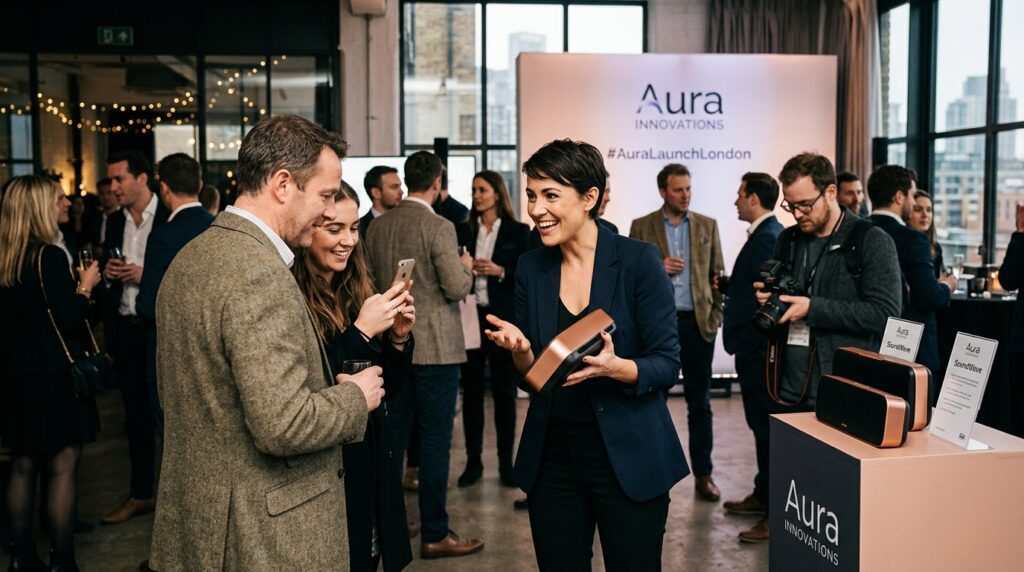
The question comes up more often than you might expect. A brand or agency contacts me for photography at a product launch or press event, and when I ask what the images are for, the answer is usually some combination of social media, the press release, and the website. That sounds like PR photography. But when I ask who the audience is and what the images need to communicate, it often becomes clear that what they actually need is event documentation with a few hero images suitable for editorial use layered on top. Those are different things, and understanding the difference determines whether you commission the right photographer, brief them correctly, and get the images you actually need.
This guide defines what PR photography is, explains how it differs from event photography in practical terms, and helps you identify which type your next project requires, or whether it requires both.
What PR Photography Is and What It Is Designed to Do
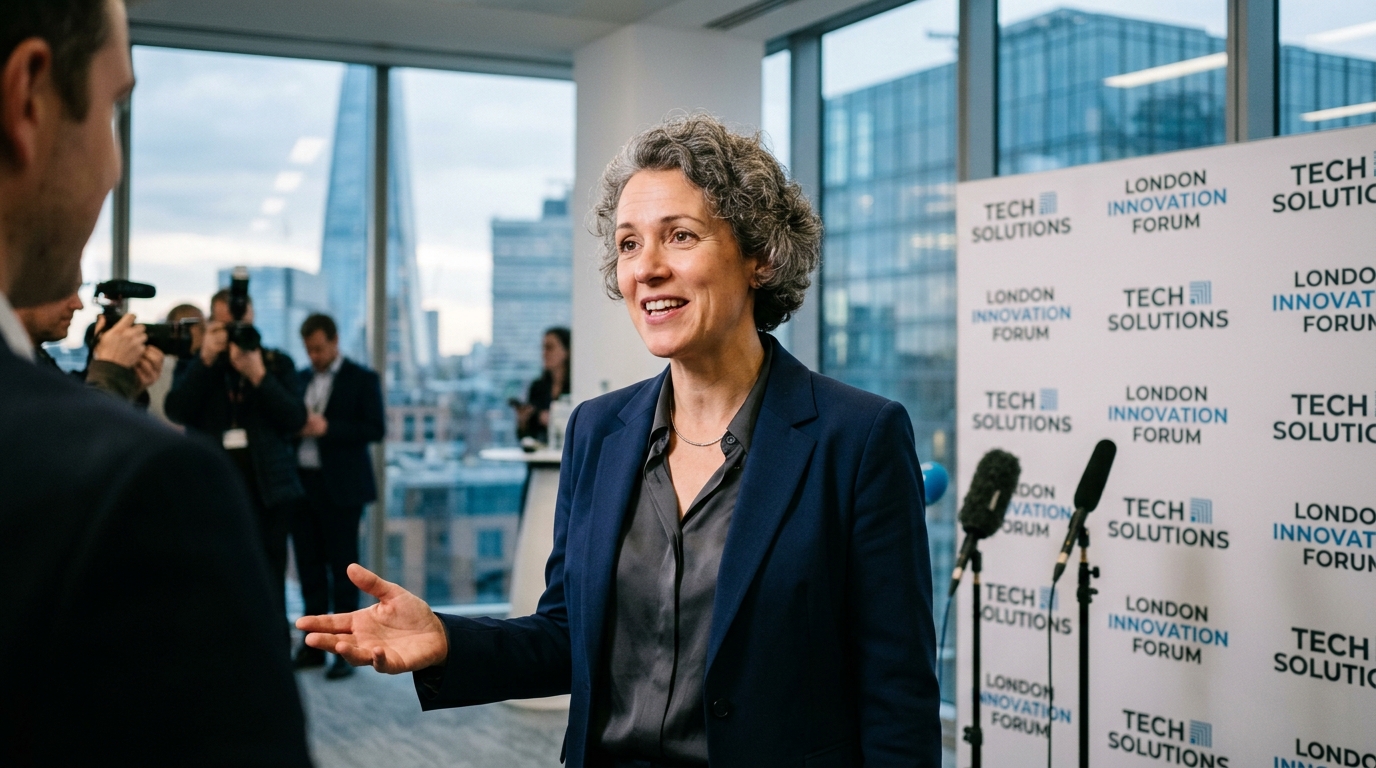
I have worked on both sides of this distinction many times, and the clearest way I can explain it is this: event photography records what happened. PR photography argues for a specific story about what happened. Both are taken at events. Both involve real people and real moments. But the creative intention behind each is fundamentally different, and that intention determines everything about how the photographs are composed, selected, and used.
As Bernardson Photography’s guide to documentary versus editorial photography in corporate contexts1, PR photography is a specialist discipline that sits at the intersection of journalism, brand communication, and commercial image-making. Its primary purpose is not to document an event comprehensively but to produce a small number of specifically strong images that will be selected by press editors, shared by media contacts, and published in contexts where the brand has no control over how the image is cropped, captioned, or presented. That requirement shapes every creative decision.
The specific qualities that define a PR photograph as distinct from a general event image include:
- A clear, immediate visual story. A press editor receiving a photo pack from a London brand event will spend less than two seconds deciding whether an image is usable. In that two seconds, the image must communicate a story: what happened, why it matters, and who was involved. An event photograph shows that something happened. A PR photograph shows why that something is worth covering.
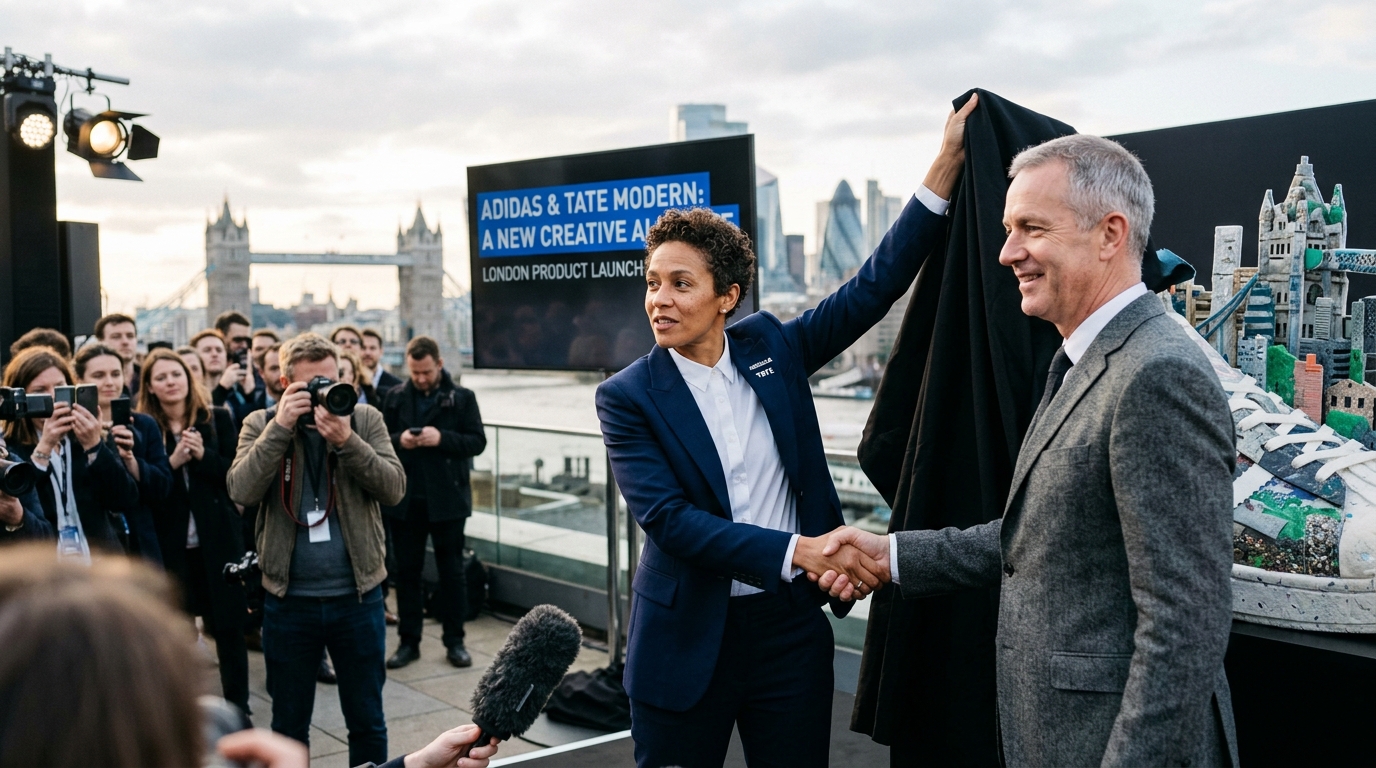
- A single dominant subject. PR photography is almost always about a specific person, product, or moment rather than a general scene. The frame is clean, the subject is clear, and there is no ambiguity about what the image is of. Wide room shots, general atmosphere images, and group coverage are event photography. A CEO shaking hands with a partner organisation’s founder in a moment that communicates a specific business story is PR photography.
- Technical quality that survives reproduction. A PR image may be reproduced at full page in a print publication, cropped to a thumbnail for an online news site, or displayed on a large screen at a conference. It must work at every scale. This requires higher technical standards than standard event documentation: precise exposure, clean backgrounds, and compositions that survive aggressive cropping without losing their impact.
• Neutrality of context. A PR photograph should be usable by a journalist or editor who was not at the event and has no personal connection to the brand. This means avoiding images that require context to understand, images that include individuals who have not consented to press use, and images where branded elements are so dominant that the photograph reads as advertising rather than news.
How PR Photography Differs from Event Photography in Practice
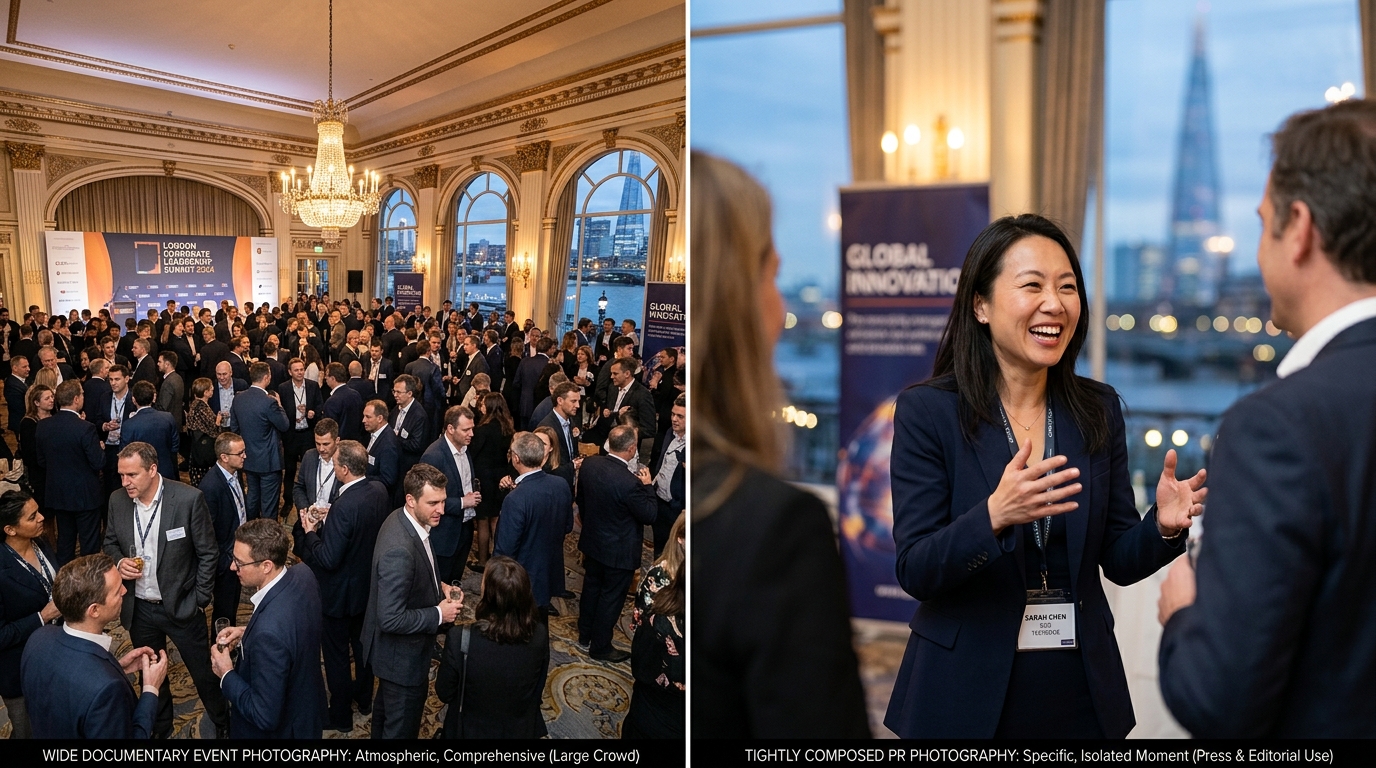
In practice, the difference between PR photography and event photography shows up most clearly in three areas: the shot list, the editing process, and the delivery expectation. Understanding all three helps you commission and brief correctly.
As Retines Photography’s 2025 guide to editorial and PR photography versus event documentation2, the most common source of confusion between PR photography and event photography is that both are often commissioned for the same occasion. A product launch, a brand activation, a charity gala, or a partnership announcement might require both comprehensive event documentation for internal use and a small number of press-ready hero images for media distribution. These are two distinct deliverables that require two distinct creative approaches, and commissioning them without distinguishing between them produces a library that does neither job particularly well.
The shot list
An event photography shot list covers programme moments: the opening address, the networking reception, the panel discussion, the group photograph. A PR photography shot list covers news moments: the handshake between two CEOs that announces a partnership, the minister’s keynote moment that will be quoted in tomorrow’s coverage, the product reveal that represents a new market entry. The event shot list asks: what happened? The PR shot list asks: what is the news story, and what image proves it happened?
The editing process
Event photography post-production involves processing a comprehensive library of images to a consistent standard, typically producing between one hundred and three hundred edited images from a full-day event. PR photography post-production involves identifying and processing a very small number of hero images to a higher standard than the surrounding library, sometimes as few as five to fifteen images that will represent the entire event in press and media contexts. These hero images receive more intensive individual attention in post-production because they must perform at the level of editorial photography from established news outlets.
The delivery expectation
Event photography is typically delivered within 24 to 72 hours of the shoot, with the full library processed to a consistent standard. PR photography often requires a same-day or overnight delivery of a priority image pack, because press deadlines run on news cycles rather than production timelines. A product launch photograph that is delivered three days after the event misses every press opportunity it was created to serve. PR photography delivery timelines are a creative and logistical requirement that should be agreed before the shoot, not requested after the event has ended.
The Types of Commission That Require PR Photography in London
Not every event requires PR photography. And not every PR photography commission takes place at an event. Understanding which type of project genuinely requires a PR photography approach, rather than event documentation, helps London brands commission more effectively and spend their photography budget where it produces the most commercial return.
As Social Tables’ guide to photography commissioning decisions for corporate and PR events3, the clearest indicator that a commission requires PR photography rather than standard event coverage is the intended audience for the images. If the primary audience is journalists, editors, or media platforms that the brand does not control, the images need to meet the standards of editorial photography. If the primary audience is the brand’s own channels and internal stakeholders, comprehensive event documentation is more appropriate. The specific commission types in London that most consistently require a PR photography approach include:
Product launches and brand activations
A product launch is news. The photography from it needs to communicate the news story with the clarity and impact of editorial imagery. A press editor deciding whether to cover a product launch will make that decision based on the images they receive. Blurry, poorly lit, or compositionally weak images will be passed over regardless of how significant the product announcement is. Strong brand PR photography from a launch event is often the difference between press coverage and a missed opportunity.
Partnership and deal announcements
When two organisations announce a partnership, merger, or significant business development, the photography from the announcement moment is the primary visual asset for press coverage across trade publications, business media, and national news. The handshake image, the signing moment, the joint statement photograph: these are PR photography moments that have a specific compositional convention established by decades of press photography, and they need to be produced at a standard that allows press editors to use them without modification.
Charity and cause-related events
Charities and cause-related organisations frequently use events as PR moments: a charity auction, a fundraising gala, a campaign launch, or a spokesperson appearance. The photography from these events serves multiple purposes, including event documentation for donors and stakeholders, but the primary commercial purpose is often media coverage that amplifies the campaign message to a wider audience. The photography brief for these events should always distinguish explicitly between the event documentation and the press image requirements.
Executive and leadership portraits for media use
A significant proportion of PR photography London commissions do not involve events at all. Executive portrait photography for media use, produced specifically for press releases, business profiles, and media appearances, is a core PR photography discipline. These portraits require the same technical standards and editorial quality as event PR photography because they will be used by journalists, publications, and broadcast media in contexts where image quality and professionalism communicate credibility before the subject has said a word.
How to Brief for PR Photography Versus Event Photography

The brief for a PR photography commission is fundamentally different from the brief for event documentation, even when both are taking place at the same occasion. Understanding what a PR photographer needs to know before they arrive on site is what makes the difference between a press image pack and a general event library.
As Neurapix’s guide to PR photography briefs and editorial image standards4, a PR photography brief must address four specific elements that a standard event photography brief does not require: the news story the images need to illustrate, the specific press and media outlets being targeted, the image licensing and distribution plan, and the delivery deadline aligned to press schedules. Each of these elements shapes how the photographer approaches the shoot and which images they prioritise.
- The news story. Tell the photographer what the press coverage should say about the event. If a journalist receives a press release and your images alongside it, which image should make them feel confident about publishing the story? The answer to that question is the brief for the PR hero shot. Everything else is context.
- The target publications. Different publications have different visual standards. A trade publication covering a technology partnership announcement has different image requirements from a national newspaper or a lifestyle magazine covering a brand activation. Knowing which publications are being pitched allows the photographer to compose images in the style and format those publications favour.
- Image licensing for press distribution. PR images are typically distributed under a press licence that allows publications to use them in editorial contexts without payment. The licensing terms should be agreed before the shoot and communicated clearly in the press image pack. Images where licensing is ambiguous are often passed over by press desks that cannot afford the time to seek clarification on usage rights.
• The delivery deadline. Tell the photographer the press deadline. Not your internal sign-off deadline. The actual time by which images need to be in the inbox of the journalists and editors being pitched. The photographer can then build the delivery timeline backward from that deadline rather than from their standard post-production schedule.
Frequently Asked Questions
Can one photographer cover both the PR photography and the event documentation at the same occasion?
Yes, and there are significant practical advantages to commissioning a single photographer for both. A photographer who understands both the event documentation requirements and the PR image requirements can structure their coverage to serve both simultaneously, producing the hero press images during the highest-priority moments and transitioning to broader documentary coverage during the rest of the event. However, for large-scale events where the PR photography requirements are particularly demanding, such as a national product launch or a major partnership announcement, a two-photographer approach, with one focused exclusively on press images and one covering the event comprehensively, often produces stronger results in both categories.
How many images does a PR photography pack typically contain?
A standard PR image pack for a London brand event or product launch typically contains between five and fifteen high-resolution, fully processed images representing the key news moments of the occasion. This is significantly fewer than a standard event photography library, but the images in a PR pack are processed to a higher individual standard and selected specifically for their editorial suitability rather than their event coverage value. Some PR photography commissions call for a single hero image and a small selection of supporting images. The volume should be driven by the number of distinct news stories the pack needs to illustrate, not by a standard number.
Does PR photography always need to be candid?
No. Some of the most commercially effective PR photography is deliberately composed: a CEO portrait produced specifically for a business profile, a product reveal image staged to communicate maximum impact, or a partnership handshake arranged to ensure both principals are clearly visible. The distinction between PR photography and advertising photography is not about candid versus posed. It is about whether the image serves a news or editorial purpose versus a commercial promotion purpose. A carefully composed image that communicates a genuine news story is PR photography. A carefully composed image that promotes a product without a news hook is advertising photography. As Photier’s 2025 guide to the distinction between PR, editorial, and advertising photography5, the practical test for whether an image crosses from editorial into advertising is whether a journalist would use it in an independent news context. If they would, it is PR photography. If they would only use it in a paid-for context, it is advertising.
What is the difference between PR photography and editorial photography?
PR photography is photography produced by or for a brand to support their own press and media communications. Editorial photography is photography produced by or for a publication to illustrate their own editorial content. The distinction matters for licensing. A photograph produced by a brand photographer at a product launch and distributed as a press image is PR photography. A photograph taken by a newspaper photographer at the same event to accompany their own story is editorial photography. In practice, the visual standards required for both are similar: dynamic, natural, press-quality imagery that tells a story. The difference is in who produced it, who owns it, and how it is licensed for use.
How do I know if I need a PR photographer or an event photographer for my next London event?
Start with the question: who is the primary audience for the images? If the primary audience is journalists, editors, and media platforms you do not control, you need PR photography, specifically images produced to editorial standards with fast delivery aligned to press deadlines. If the primary audience is your own channels, your stakeholders, and your internal communications, you need event documentation. If the answer is both, you need a photographer who understands both disciplines and can produce them simultaneously from the same occasion. Browse the full editorial and PR photography portfolio at eventphotographer.photos to see examples of both disciplines in practice, alongside the corporate and awards photography portfolio and the conference photography portfolio. Then get in touch via the contact page to discuss your project.
Commission Your PR Photography in London
Understanding the difference between PR photography and event photography is the first step toward commissioning the right approach for your next London project. Whether your primary need is press-ready hero images, comprehensive event documentation, or both from the same occasion, the brief you provide before the shoot determines the quality and commercial usefulness of what you receive.
Joel Knight is a London-based photographer covering editorial and PR photography, corporate events, conferences, and awards across London and the UK, with clients including Google, Facebook, and Manchester United. Browse the full editorial and PR photography portfolio, the corporate and awards photography portfolio, and the conference photography portfolio at eventphotographer.photos, then get in touch via the contact page to discuss your commission.
REFERENCES & CITATIONS
- Bernardson Photography (2025). Documentary vs Editorial Photography in Corporate Contexts: The Distinction Between PR and Event Coverage. bernardson.com. Cited in H2 Section 1. [PR photography is a specialist discipline sitting at the intersection of journalism, brand communication, and commercial image-making, with the primary purpose of producing a small number of specifically strong images for press and editorial use.]
- Retines Photography (2025). Editorial and PR Photography vs Event Documentation: Understanding When You Need Both. retines.fr. Cited in H2 Section 2. [Most common source of confusion between PR photography and event photography is that both are often commissioned for the same occasion, requiring two distinct deliverables with two distinct creative approaches.]
- Social Tables (2025). Photography Commissioning Decisions for Corporate and PR Events: Audience as the Primary Indicator. socialtables.com. Cited in H2 Section 3. [The clearest indicator that a commission requires PR photography rather than standard event coverage is the intended audience for the images: journalists and editors versus the brand’s own channels and stakeholders.]
- Neurapix (2025). PR Photography Briefs and Editorial Image Standards: Four Elements Every PR Brief Must Address. neurapix.com. Cited in H2 Section 4. [A PR photography brief must address the news story the images need to illustrate, the target press outlets, the image licensing plan, and the delivery deadline aligned to press schedules.]
- Photier (2025). The Distinction Between PR, Editorial, and Advertising Photography: The Journalist Test. photier.com. Cited in H2 Section 5 FAQs. [The practical test for whether an image crosses from editorial into advertising is whether a journalist would use it in an independent news context.]