
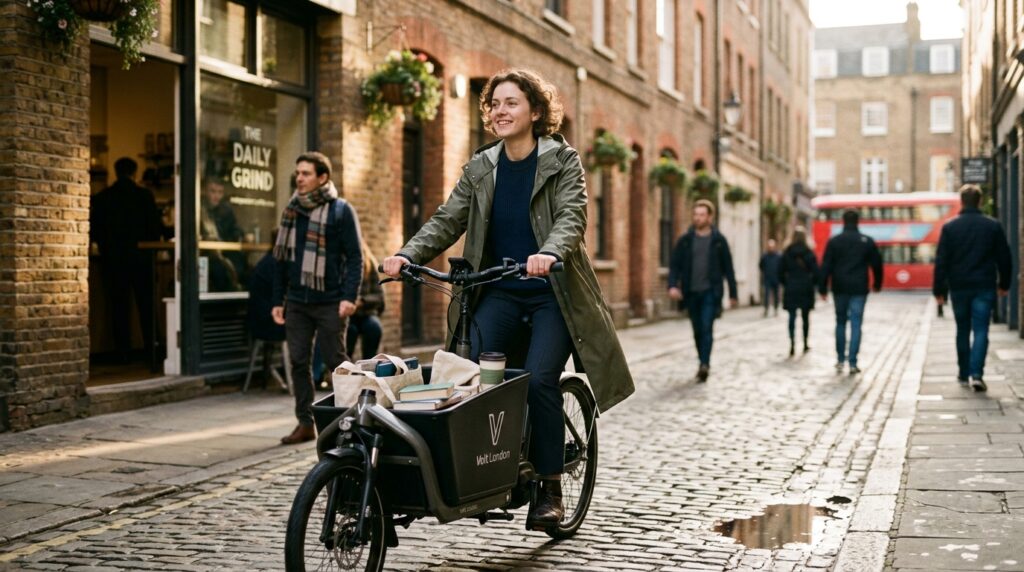
There is a category of brand photography that most London organisations commission too rarely and deploy too tentatively when they do have it. Editorial photography for brands sits between the controlled world of advertising imagery and the documentary world of event coverage, and it is precisely that middle position that makes it so commercially valuable. It has the visual quality and narrative authority of journalism. It has the brand intentionality of a commissioned campaign. And when it is produced and deployed correctly, it is the most persuasive visual content a brand can put in front of an audience that has learned to ignore everything that looks like it is trying to sell them something.
This guide covers what editorial photography for brands actually involves, why it serves brand storytelling more effectively than traditional marketing imagery in most media contexts, and how London organizations can build it into their visual content programme systematically rather than commissioning it sporadically.
What Editorial Photography for Brands Actually Means

The term editorial photography is sometimes used as a synonym for journalism or documentary photography, which is only partly accurate in a brand context. When I talk about editorial photography for brands, I mean photography produced specifically for a brand that meets the visual and narrative standards of editorial publishing: images that tell stories, communicate ideas, and hold visual attention without relying on overt branding, promotional framing, or staged artificiality.
As Bernardson Photography’s guide to editorial brand imagery and its commercial applications1, the defining characteristic of editorial photography in a brand context is that the image communicates something substantive about the brand through what is happening in the frame, rather than through logos, taglines, or promotional staging. A brand whose CEO is photographed in a tightly composed editorial portrait in their natural working environment communicates expertise, authority, and authenticity simultaneously. The same CEO photographed in a formal pose against a branded backdrop communicates that the organisation has a marketing department. The difference in how audiences receive those two images is significant and measurable.
The specific qualities that distinguish brand storytelling photography in an editorial register from standard corporate photography include:
- Narrative over presentation. Editorial photography shows something happening rather than something being displayed. A financial services firm’s editorial photography might show a senior advisor in conversation with a client at a moment of genuine engagement. A technology company’s editorial photography might capture an engineer in their natural working environment making a specific technical decision. These images communicate what the organisation does and who its people are through narrative rather than through professional poses and polished backgrounds.
- Authenticity over perfection. Editorial photography tolerates and even values the visual imperfections that advertising photography eliminates. A slightly imperfect expression that communicates genuine human character is more valuable in an editorial context than a technically perfect smile that communicates nothing specific. This is a creative and commercial choice, not a cost or quality compromise. Brands that understand this commission their editorial photography differently from their advertising photography and use them in different contexts accordingly.
• Story over product. Editorial brand photography does not feature products as subjects. It features people, moments, environments, and ideas, with the brand’s product or service present in the frame as context rather than as the primary subject. This is what makes editorial brand photography credible in media contexts where audiences have learned to discount imagery that is obviously promotional.
The Channels Where Editorial Photography Outperforms Other Visual Content
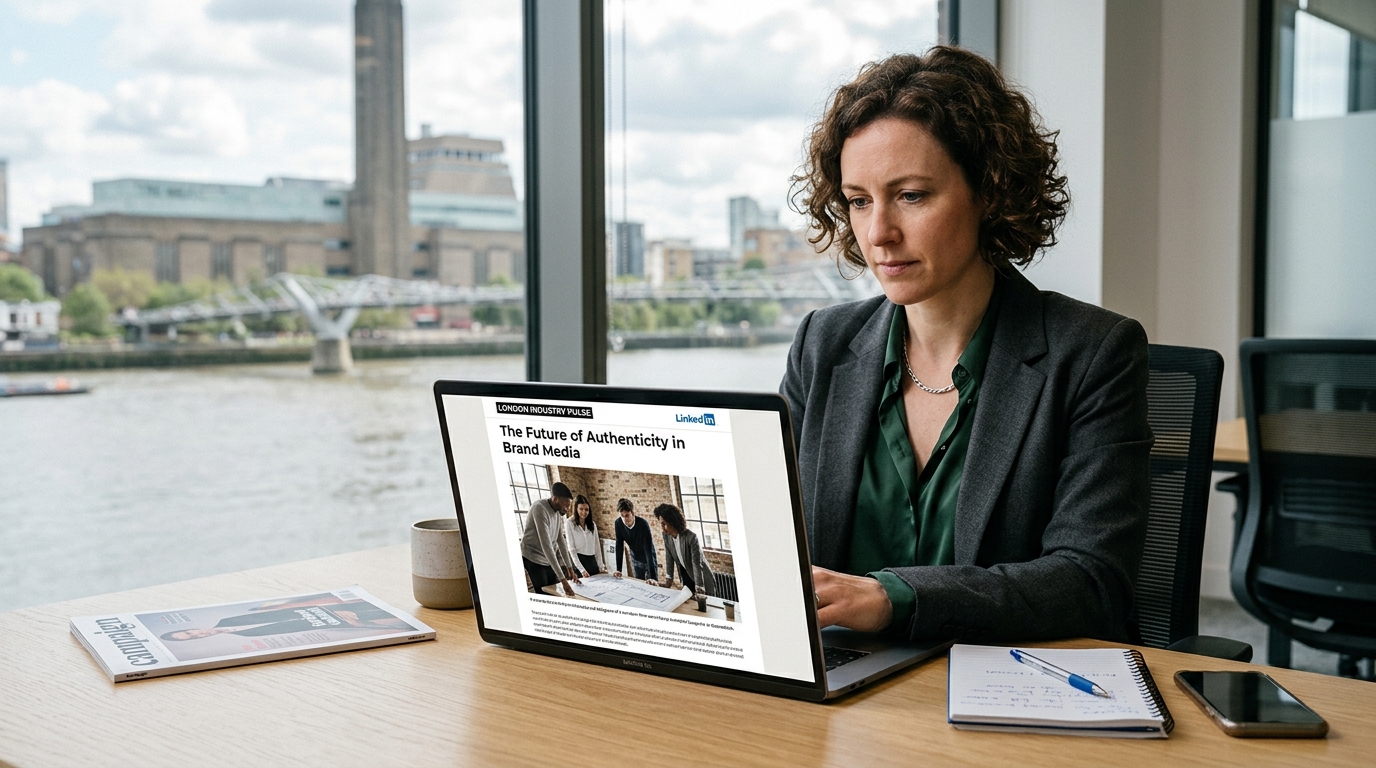
In practice, the channels where editorial photography consistently outperforms polished campaign imagery are the ones that London brands tend to deprioritise in their photography commissioning: thought leadership content, long-form articles, podcast and media appearances, trade press features, and LinkedIn in the specific format of long-form articles rather than simple posts. These are also, not coincidentally, the channels that produce the strongest return on investment in terms of audience trust and authority building.
As Retines Photography’s 2025 guide to visual content performance across professional media channels2, editorial photography consistently produces the highest engagement rates in content contexts where the audience has a high level of scepticism toward branded content. This includes trade and industry publications, professional social media contexts such as LinkedIn articles and newsletters, and podcast or speaker marketing materials where the audience is evaluating the credibility of the individual rather than the attractiveness of a product.
Thought leadership and long-form content
A managing partner who publishes a thought leadership article in a trade publication or on LinkedIn with a generic headshot is presenting themselves as a professional with something to say. The same managing partner with a strong editorial photograph that shows them in their natural environment, engaged in the kind of thinking the article discusses, is presenting themselves as a recognised authority. The photograph does not change the content of the article. It changes the credibility of the voice delivering it. For corporate storytelling photography London firms invest in for their senior leaders, this is among the highest-return applications available.
Press and trade media features
Trade publications, industry newsletters, and business media sections of national newspapers all feature editorial photography as a standard component of their content. Brands that want to appear in these publications as credible editorial subjects rather than as advertisers need photography that meets their visual standards. A brand whose photography library consists entirely of polished campaign imagery and formal corporate portraits has limited material to offer a journalist or editor looking to illustrate a feature. A brand with a library of strong editorial photography can position itself as a premium source of visual content for industry publications, which generates editorial coverage that paid advertising cannot replicate.
LinkedIn and professional social media
LinkedIn’s algorithm in 2025 consistently rewards content that stops the scroll, and editorial photography stops the scroll more reliably than polished promotional imagery because it has the visual character of premium journalism rather than advertising. A strong editorial image accompanying a LinkedIn post from a senior leader communicates authority and credibility before the first word is read. For brands building thought leadership programmes on LinkedIn, a library of strong editorial photography brand content is as important as the content strategy itself.
Podcast and speaking marketing materials
Conference and event organisers, podcast hosts, and media bookers all require photography of their guests and speakers at a specific visual standard. An individual with a strong editorial portrait is significantly more likely to be selected as a speaker or guest than an equivalent individual with a generic headshot or no professional photography at all. The photograph is the first impression that determines whether the organiser believes the individual is at the level their event requires.
How to Commission Editorial Photography as Part of a Brand Content Programme

The most common mistake London brands make when they decide to invest in editorial photography is treating it as a one-off commission rather than building it into a systematic content programme. A single editorial shoot produces a finite number of images with a finite lifespan. A programmatic approach to editorial photography, where specific shoots are planned around the brand’s content calendar, produces a continuously refreshed library that serves the brand’s storytelling needs across multiple channels consistently.
As Social Tables’ guide to integrating photography into a brand content programme3, the brands that achieve the strongest return from their editorial photography investment are those that plan shoots around content needs rather than around events. This means identifying the stories the brand needs to tell across the next six to twelve months, determining which stories require visual support, and commissioning photography specifically to illustrate those stories rather than hoping that event coverage or corporate portraits will serve the purpose.
The specific components of a systematic editorial photography programme for London brands include:
- A content calendar mapped to visual needs. For each planned content item, thought leadership article, trade press pitch, LinkedIn series, podcast appearance, or award submission, identify whether the story requires new editorial photography or can be served from the existing library. This mapping exercise typically reveals significant gaps in the brand’s visual content that a targeted photography brief can address.
- Subject-led shoots for senior leaders and spokespeople. The senior leaders and public-facing spokespeople of a London organisation are its most valuable editorial photography subjects. A dedicated half-day editorial shoot with each key individual, producing a library of contextual portraits and working environment images, provides a foundation of high-quality editorial content that serves every channel for twelve months or more.
- Environment and context photography. The physical environments where the brand operates, offices, facilities, project sites, partner locations, are editorial subjects that communicate brand character without requiring people in the frame. A financial services firm’s trading floor, a technology company’s engineering environment, or a professional services firm’s collaborative workspace all communicate specific stories that editorial photography can tell in a way that words alone cannot.
• Event photography planned for editorial output. Every significant event the brand runs or attends is an opportunity for editorial photography, but only if the brief specifically includes editorial output alongside event documentation. A conference photography brief that includes three to five press-ready hero images as an explicit deliverable, planned in advance rather than discovered in post-production, consistently produces stronger editorial content than a standard event brief.
What Makes Editorial Brand Photography Credible Across Media Contexts

Editorial photography earns its credibility from authenticity, but authenticity in a commercial context does not mean unplanned or unproduced. Some of the most powerful editorial brand photography I have produced for London clients has involved significant preparation: scouting locations, planning lighting approaches, identifying the specific moments and activities that communicate the right stories, and directing subjects in ways that produce authentic-feeling rather than staged-looking imagery. The authenticity that editorial photography communicates is a creative outcome, not an absence of production.
As Neurapix’s guide to editorial photography production standards for brand and media use4, the technical and creative standards that make editorial brand photography credible in media contexts are substantially higher than those required for standard corporate photography. A photograph that looks authentic but is poorly lit, compositionally weak, or technically compromised communicates incompetence rather than authenticity. The production quality is what allows the authenticity to be read as intentional rather than accidental. The specific standards that define credible editorial photography media content include:
- Natural light as the primary source wherever possible. Editorial photography that relies on obvious studio lighting or flash loses the naturalistic quality that gives it credibility in media contexts. The most effective brand editorial photography uses available light, window light, and environmental light sources, supplemented by professional equipment used to enhance rather than replace the natural quality of the light.
- Environments that communicate something specific. An editorial portrait taken in a generic corporate meeting room communicates very little about the subject beyond their professional tier. An editorial portrait taken in an environment that is specific to the subject’s expertise, whether that is a trading floor, a design studio, a construction site, or a laboratory, communicates the nature and depth of their professional identity in a way that a neutral background cannot.
- Expressions captured rather than directed. The expressions that work best in editorial brand photography are those that communicate genuine character rather than professional performance. This requires the photographer to work in a way that reduces the subject’s self-consciousness around the camera rather than directing them into expressions they cannot produce naturally. Conversation, distraction, movement, and the removal of the camera from the subject’s direct line of sight are all techniques that produce expressions with the authentic quality that editorial photography requires.
• Compositions that work in multiple formats. Editorial brand photography appears in contexts the photographer cannot fully predict: cropped to a social media thumbnail, displayed full-page in a printed publication, or adapted for a conference screen. Compositions that work at every scale, with clear visual hierarchy and a dominant subject that survives aggressive cropping, are those that serve the brand most effectively across the widest range of media contexts.
Frequently Asked Questions
How is editorial photography different from headshot photography?
Headshot photography produces a standardised, clean, close-cropped portrait of an individual for professional profile use. Editorial photography produces contextual, narrative-driven images of individuals or groups in environments that communicate something specific about their professional identity, expertise, or brand. Both are part of a complete brand photography programme, but they serve different purposes and appear in different contexts. A headshot is what appears on a LinkedIn profile and a company website team page. An editorial portrait is what appears alongside a thought leadership article, in a trade press feature, or in the materials for a speaker booking. Organisations that invest in headshots but not editorial portraits are covering one channel well and leaving significant opportunities on the table.
How often should a brand commission editorial photography?
In practice, a London brand that publishes thought leadership content, generates press coverage, or has senior leaders with active public profiles benefits from at least one dedicated editorial photography commission per year for each key spokesperson. For brands with high-frequency content programmes or significant media profiles, quarterly editorial shoots for key individuals produce a continuously fresh library that avoids the visual staleness that comes from recycling the same images across every content context. The cost of a half-day editorial shoot per spokesperson per year is a fraction of the media value of the coverage those images support.
Can editorial photography be produced during a corporate event commission?
Yes, and planning for it in advance is what makes the difference between editorial content that happens by accident and editorial content that consistently meets the standards required for media use. Including a specific editorial photography brief alongside a standard event brief, with named individuals, identified environments, and specific story objectives, produces a library that includes both comprehensive event documentation and a set of editorial images suitable for press and thought leadership use. The two briefs require different creative approaches from the photographer but can be executed simultaneously at the same event when the preparation is thorough. As Photier’s 2025 guide to combining event and editorial photography commissions5, the most commercially effective brand photography commissions are those that plan for both event documentation and editorial output from the same shoot day, maximising the return on a single production investment.
What is the difference between editorial photography and lifestyle photography?
Editorial photography communicates a specific story or idea through a real person in a real context. Lifestyle photography communicates an aspirational scenario, typically using models in designed environments, to communicate a brand’s positioning or target audience’s world. Both are legitimate and commercially valuable brand photography disciplines, but they serve different purposes. Editorial photography is credible in news and information contexts. Lifestyle photography is credible in advertising, social media, and brand marketing contexts. A brand building a media presence and a thought leadership profile benefits primarily from editorial photography. A brand building consumer aspiration and product desire benefits primarily from lifestyle photography. Most sophisticated London brands need both and plan for them separately.
How do I brief a photographer for editorial brand photography?
The most effective editorial brand photography briefs start with stories rather than images. Identify the specific narratives the brand needs to communicate: what does the organisation stand for, what makes its people distinctive, what is the nature of the expertise it has built, what does the environment in which it operates communicate about its character. Then identify the people, environments, and moments that can illustrate those narratives through photography. The photographer’s job is to produce images that tell those specific stories in a visual language that meets editorial publishing standards. Browse the full editorial and PR photography portfolio and the conference photography portfolio at eventphotographer.photos to see how editorial and event photography work together in practice, then get in touch via the contact page to discuss your brand storytelling brief.
Commission Your Editorial Brand Photography in London
The organisations that build the strongest brand authority in London media are not necessarily those with the largest marketing budgets. They are those that understand which visual content meets the standards of editorial credibility and invest in producing it systematically. Editorial photography for brands is not a luxury add-on to a standard corporate photography programme. It is the foundation of a visual content strategy that earns attention in contexts where promotional content is ignored.
Joel Knight is a London-based photographer specialising in editorial and PR photography for corporate clients, professional services firms, technology companies, and brand agencies, with clients including Google, Facebook, and Manchester United. Browse the full editorial and PR photography portfolio, the corporate and awards photography portfolio, and the conference photography portfolio at eventphotographer.photos, then get in touch via the contact page to discuss your brand storytelling programme.
REFERENCES & CITATIONS
- Bernardson Photography (2025). Editorial Brand Imagery and Its Commercial Applications: Narrative Over Presentation. bernardson.com. Cited in H2 Section 1. [The defining characteristic of editorial photography in a brand context is that the image communicates something substantive about the brand through what is happening in the frame, rather than through logos, taglines, or promotional staging.]
- Retines Photography (2025). Visual Content Performance Across Professional Media Channels: Editorial Photography Engagement Rates. retines.fr. Cited in H2 Section 2. [Editorial photography consistently produces the highest engagement rates in content contexts where the audience has a high level of scepticism toward branded content.]
- Social Tables (2025). Integrating Photography Into a Brand Content Programme: Planning for Stories Rather Than Events. socialtables.com. Cited in H2 Section 3. [Brands achieving the strongest return from editorial photography investment are those that plan shoots around content needs rather than around events.]
- Neurapix (2025). Editorial Photography Production Standards for Brand and Media Use: Technical and Creative Requirements. neurapix.com. Cited in H2 Section 4. [Technical and creative standards that make editorial brand photography credible in media contexts are substantially higher than those required for standard corporate photography.]
- Photier (2025). Combining Event and Editorial Photography Commissions: Maximising Return on a Single Production Investment. photier.com. Cited in H2 Section 5 FAQs. [Most commercially effective brand photography commissions are those that plan for both event documentation and editorial output from the same shoot day.]