
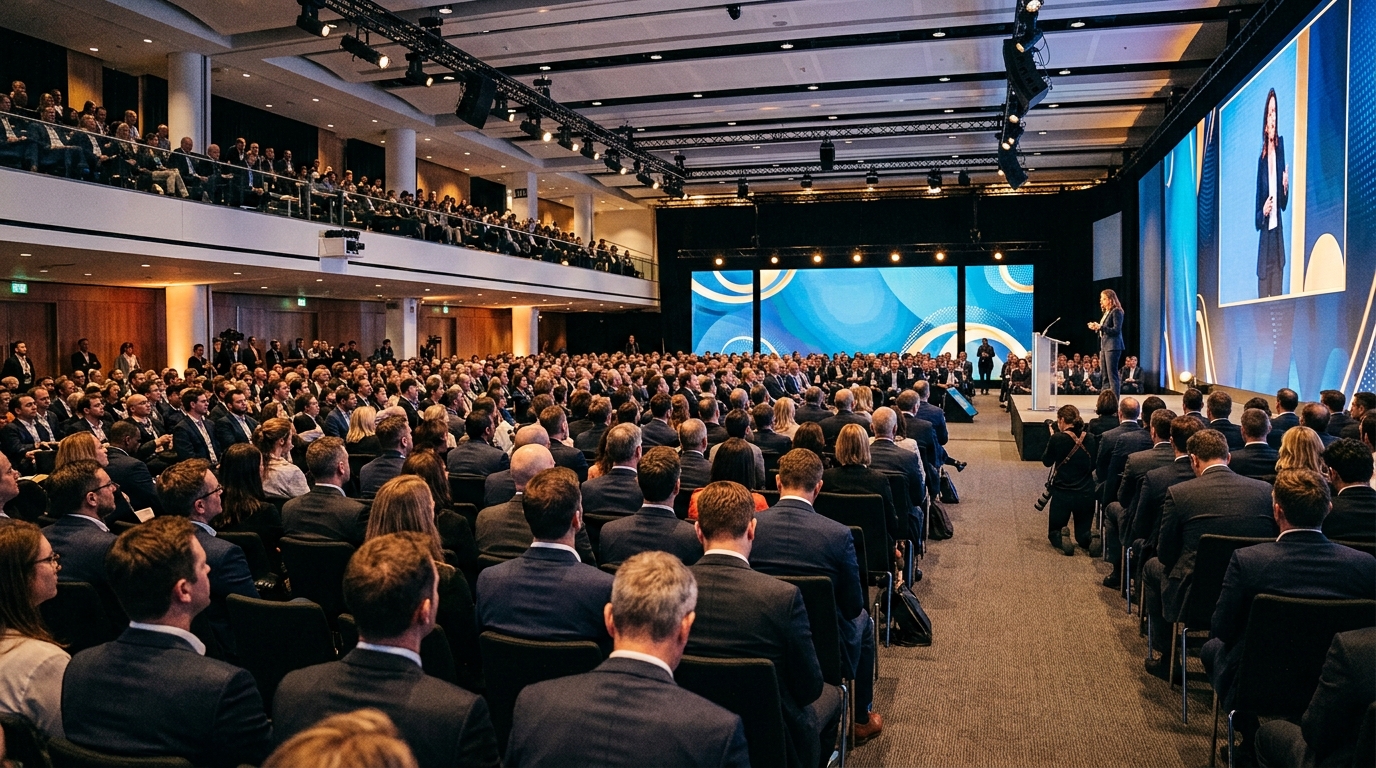
If photography matters to the success of your event, it should not be the last supplier decision you make. Organisers often confirm the venue, speakers, AV, catering and production before asking about photography. Sometimes that works. Sometimes the preferred photographer is already booked, or a complex brief has to be compressed into a few emails in the final days.
So how far in advance should you book an event photographer? There is no single deadline that applies to every event. A two-hour weekday networking reception and a three-day multi-stage conference do not require the same lead time. The date, season, location, scale, number of photographers, delivery expectations and amount of pre-event planning all change the answer.
For most London business events, the safest approach is to start the conversation once your date and venue are confirmed. For larger conferences, high-profile corporate events, multi-day programmes and popular dates, earlier is better. Short-notice bookings can still be possible, but availability becomes the controlling factor rather than photographer fit.
How Far in Advance Should You Book an Event Photographer in London?
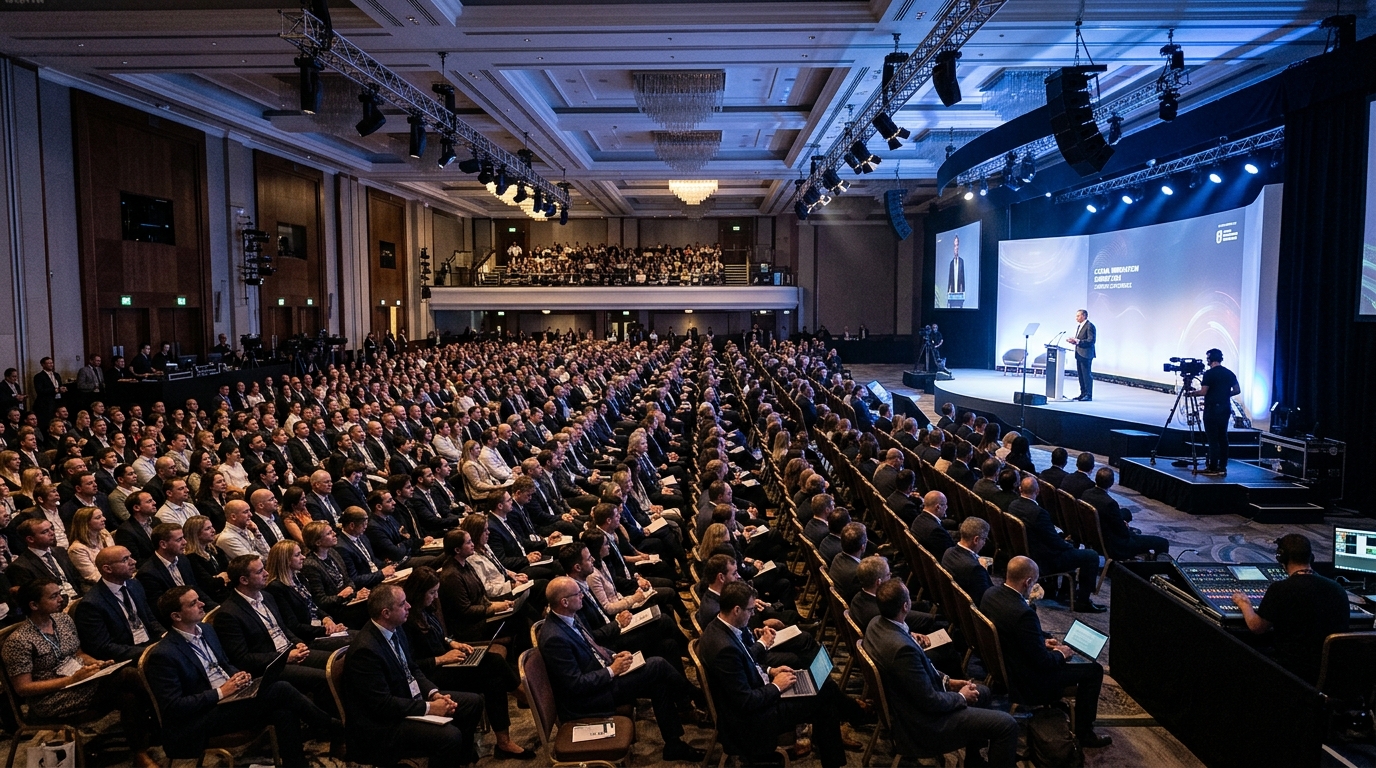
Eventbrite’s guidance on event photography planning1 recommends booking a photographer well ahead of the event whenever possible so there is adequate time for preparation. That principle is more useful than treating one number as a universal rule.
For London corporate events, I would use the following as a practical planning guide rather than a rigid booking policy:
Large conferences, summits and multi-day events: 3 to 6 months
These events may involve multiple rooms, overlapping sessions, named speakers, sponsor requirements, press deadlines and same-day image delivery. Earlier involvement makes it easier to build coverage around the programme instead of reacting to it.
Standard corporate events, awards, launches and receptions: 6 to 12 weeks
This gives enough time to check availability, confirm the brief, review the schedule and agree deliverables without making photography an unnecessarily early decision.
Smaller weekday events and internal gatherings: 2 to 6 weeks
If the event is short, has one location and does not require additional photographers or complex production coordination, preparation is usually simpler.
Under two weeks: short-notice territory
It may still be possible, particularly on a weekday, but you are choosing from whoever is available rather than having the full market to choose from.
These are working ranges, not guarantees. A Wednesday morning event in February may be easier to place than a Thursday evening event during a busy corporate season. The best time to enquire is when the date is genuinely likely to proceed, not when every detail is already final.
If you are still deciding how much coverage you need, the event photography pricing and rates page explains how coverage length, event scale and delivery requirements affect the quote.
Why Larger and More Complex Events Need More Booking Time
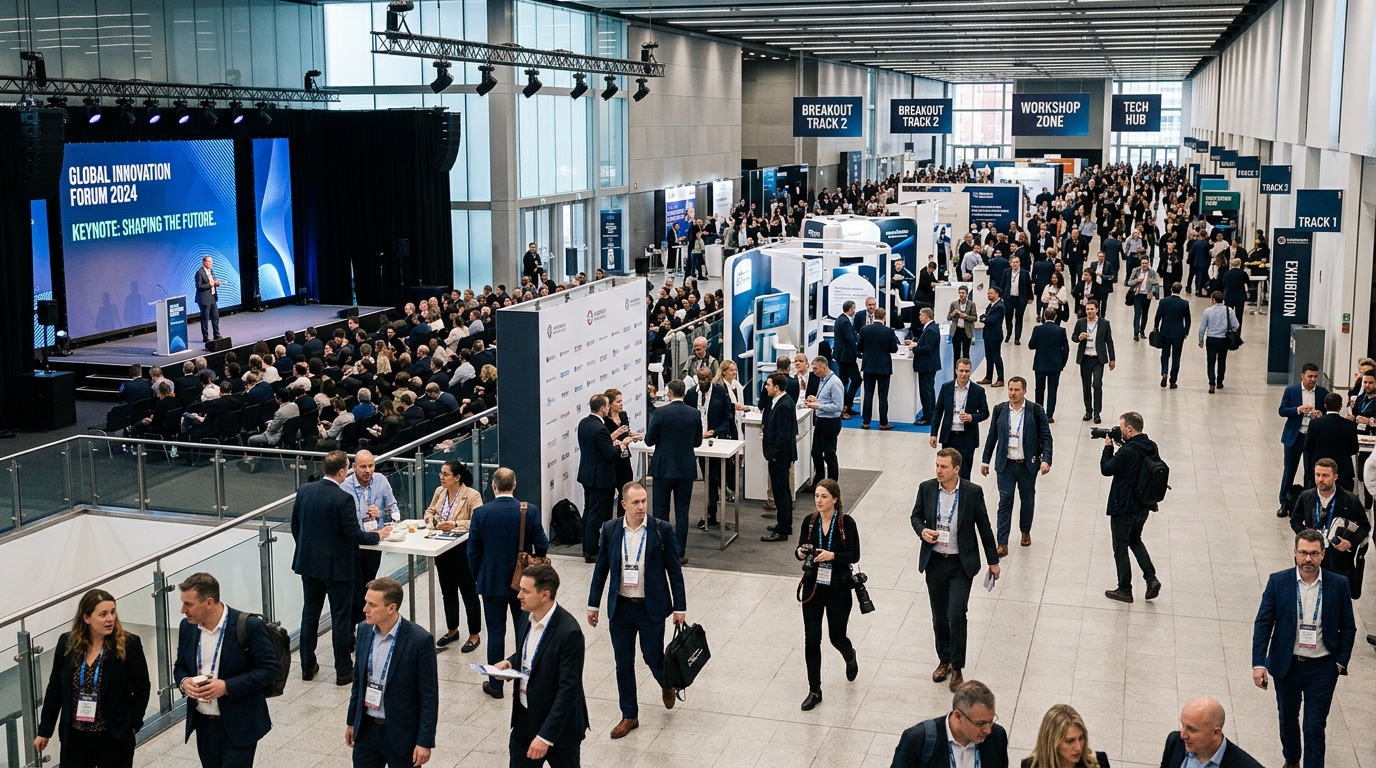
Orlando Sydney’s business-event photography guidance2 notes that photography is commonly booked once the date and venue are confirmed, while large conferences, multi-day programmes and events requiring multiple photographers should be secured earlier to allow for planning, crew allocation and coordination.
That distinction matters. Lead time is not only about whether a photographer has the date free. It is also about how much preparation the assignment requires.
A simple two-hour reception may need one photographer, one room, a short priority list and a standard delivery schedule. A major conference can involve simultaneous stages, breakout rooms, speaker portraits, exhibitor stands, sponsor activations, registration, networking, awards, evening receptions and a marketing team asking for selected images while the event is still happening.
When several things happen at the same time, coverage needs to be designed rather than improvised. The photographer may need to identify when a second photographer is required, which sessions have priority, where travel between rooms creates gaps, and which images must be edited first for social or press use.
London venues can add another layer through security, accreditation, restricted areas and stage positions. The more moving parts the event has, the more useful it is to confirm photography before the final production week.
For conference organisers, the conference photography London service page shows the type of coverage that may need planning across keynotes, panel discussions, networking, branding, exhibitor stands and multi-room schedules.
What You Can Plan Once the Photographer Is Booked
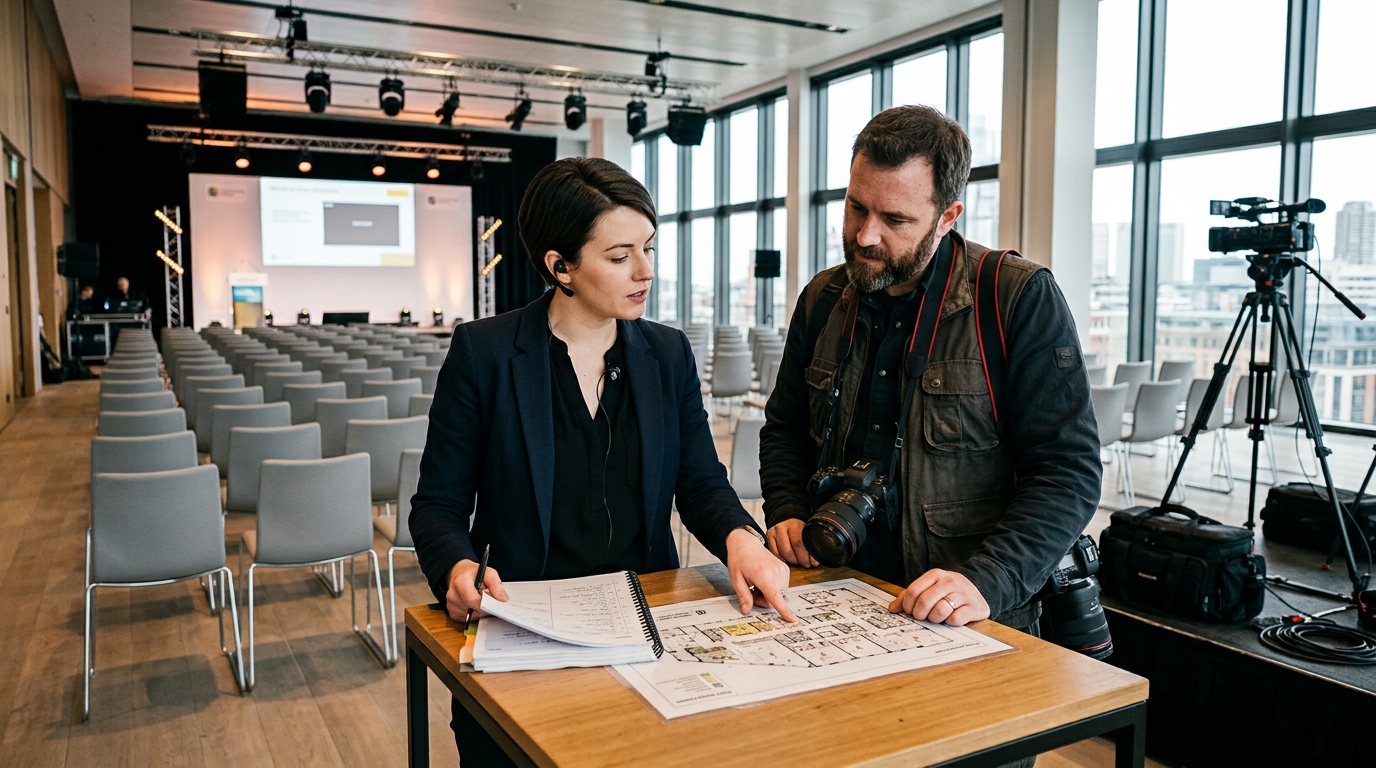
Eventbrite’s guide to briefing an event photographer3 emphasises the importance of giving the photographer clear information about the event, the required images and how the photographs will ultimately be used. Booking early creates room for that conversation to happen properly.
Once the date is secured, the next stage is not months of unnecessary meetings. For most events, the planning process is straightforward. The value comes from having enough time to make decisions before they become urgent.
Confirm the coverage time
Registration, setup details or sponsor stands may need to be photographed before guests arrive. A drinks reception after a conference may be more useful for relationship and networking imagery than the final presentation session.
Set the shot priorities
A conference organiser may need every keynote speaker photographed cleanly, while a communications team may care more about leadership interactions, audience reactions and brand presence. Sponsors may require evidence of activations and signage. PR teams may need a small set of images delivered quickly.
Confirm the logistics
The final run sheet, room plan and speaker list may not exist when the booking is made, and that is normal. You do not need a finished photography brief to reserve the date. You need the confirmed date, location, approximate timings and enough information to quote the assignment. The detailed brief can follow as the event develops.
The site’s event photography FAQs explain the booking process, reservation payment, delivery expectations and other practical questions clients usually need answered before the day.
Early booking is therefore less about committing to every detail months ahead and more about protecting the date while leaving enough time to shape the coverage intelligently.
What Happens If You Leave Event Photography Until the Last Minute?
Claire Thom Photography’s event-booking guide4 highlights the main risks of waiting: reduced choice, less time for strategy and a greater chance that the preferred photographer is unavailable. That is the real cost of late booking.
1. Availability becomes the main constraint
A good photographer cannot cover two events at the same time. If your preferred photographer is already committed, you may need to choose another supplier based primarily on who is free rather than whose work best fits the event.
2. Preparation time gets compressed
A last-minute booking can still produce strong photography, but there is less time to review schedules, identify must-have shots, understand brand requirements or coordinate with venue and production teams.
3. Additional photographers are harder to source
If the programme needs two photographers because keynote sessions and networking activity happen simultaneously, finding a suitable second photographer at short notice may be more difficult than staffing a simple event.
4. Fast delivery needs to be planned
Same-day highlights, overnight press selects and rapid social-media delivery are easier to organise when they are part of the brief from the beginning.
None of this means you should abandon a booking because the event is close. If your event is next week, ask. Short-notice availability exists, and a clear brief can make a fast turnaround much easier. The point is simply that waiting gives you fewer options.
A useful rule: if losing your first-choice photographer would create a problem, you are already at the stage where you should enquire.
Frequently Asked Questions
How early should I book a corporate event photographer in London?
For a straightforward corporate event, starting 6 to 12 weeks before the date is a sensible working range. Larger conferences, multi-day events, high-profile programmes and events requiring several photographers should normally be discussed earlier, often 3 to 6 months ahead. These are planning recommendations rather than fixed industry deadlines because availability varies by date and event complexity.
Can I book an event photographer at the last minute?
Yes, if the photographer is available. Short-notice bookings are possible, particularly for smaller weekday events. The trade-off is less choice and less preparation time. Send the date, venue, timings, event type and required delivery speed immediately so the photographer can confirm whether the assignment is workable.
Should I book before the event schedule is final?
Yes. You do not need a final run sheet to secure the date. A confirmed venue, event date, approximate hours and basic description are normally enough to begin the quotation and booking process. The detailed schedule, shot list, speakers and room plan can be supplied closer to the event.
Do popular London dates get booked earlier?
They can. Availability is shaped by the photographer’s existing commitments and by how many business events are taking place around the same period. If your date is fixed, involves a large London venue, runs over several days or falls during a busy corporate period, there is little benefit in waiting once you know you need photography.
How far ahead should I book for a multi-day conference?
For a multi-day or multi-track conference, I would start the conversation around 3 to 6 months ahead where possible. These assignments often need more planning around stages, breakout rooms, sponsors, networking, multiple photographers and rapid image delivery.
What information should I send when I first enquire?
Send the event date, venue, approximate start and finish times, type of event, estimated audience size and any known requirements such as multiple rooms, same-day images, VIPs or additional photographers. That is enough to establish availability and prepare an initial quote
Book Your London Event Photographer Before the Date Becomes the Problem
The best time to book an event photographer is not when every speaker has been confirmed and the final run sheet is finished. It is when your date and venue are secure enough that losing the photographer you want would create a problem.
For a straightforward London event, a few weeks may be enough. For a large conference, high-profile corporate event or multi-day programme, several months gives you more choice and more planning flexibility. If the event is already close, it is still worth asking rather than assuming it is too late.
Joel Knight provides professional event and conference photography for businesses, organisers and brands across London and the wider UK. Coverage can be planned around speakers, networking, branding, sponsors, awards, social-media delivery and the specific commercial uses you have for the final image library.
If your date is confirmed, contact Joel Knight to check availability and discuss the event before your preferred date is taken.
REFERENCES & CITATIONS
- Eventbrite UK. Nailing Your Event Photography. Recommends booking a photographer well ahead of the event whenever possible to allow proper preparation.
- Orlando Sydney. Event Photography FAQs & Practical Guidance for Business Events. Notes that business-event photography is commonly booked once the venue and date are confirmed, with large or multi-day events booked earlier.
- Eventbrite UK. How To Brief an Event Photographer. Explains why a clear event-photography brief improves planning around required shots, logistics and intended image use.
- Claire Thom Photography. When Should You Book an Event Photographer? Here’s What to Know. Highlights reduced availability and lost planning time as key risks of leaving photography too late.