
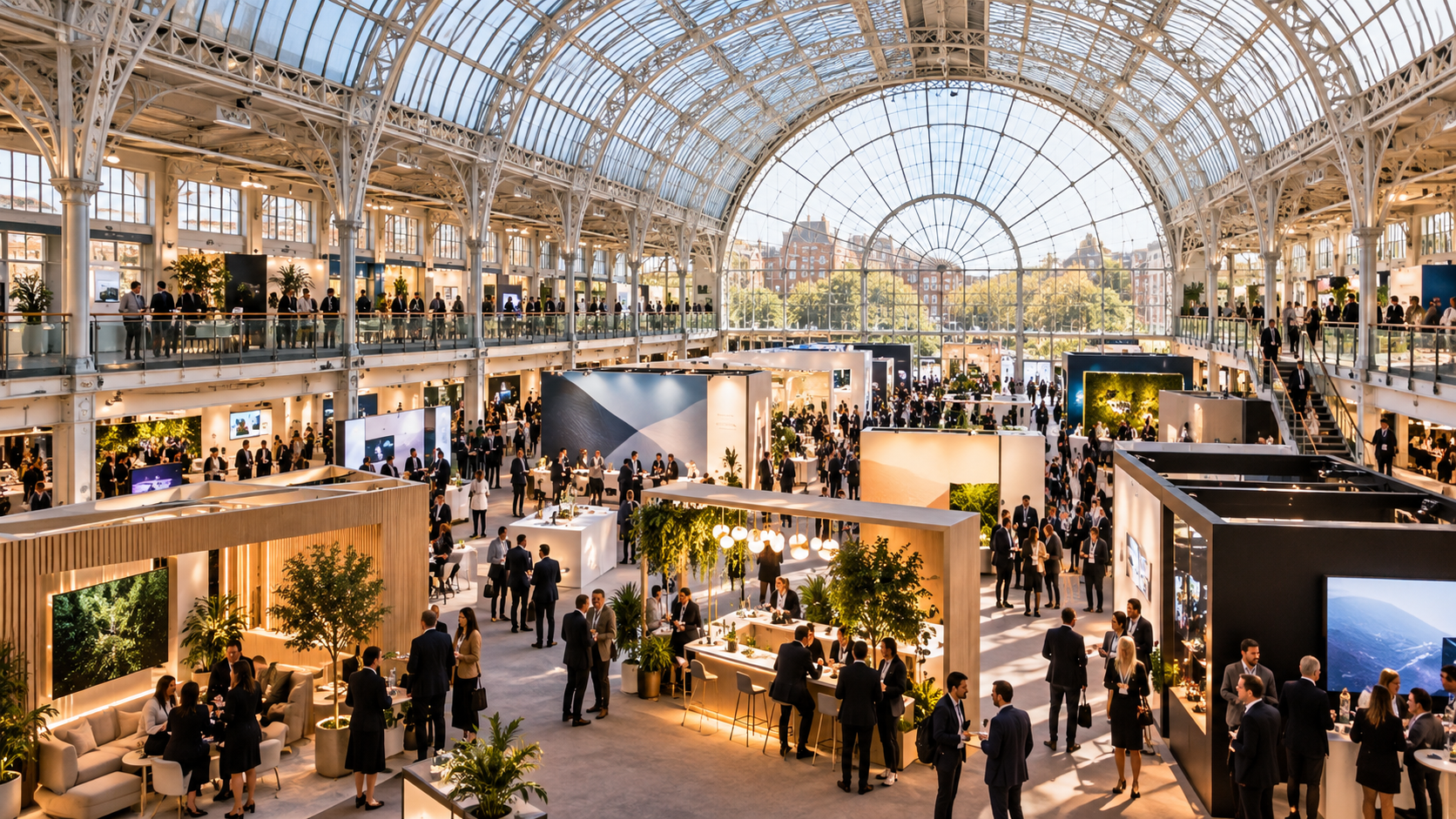
The Business Design Centre in Islington is one of those London venues where the building itself becomes part of the event story. Its historic exhibition architecture, open central floor, mezzanine level, galleries and conference spaces create a very different photography environment from a standard hotel or meeting centre.
For organisers, exhibitors and marketing teams, that is an advantage. A professional Business Design Centre photographer can create images that show not only speakers and delegates, but also the scale of the event, exhibition design, sponsor visibility, natural interaction and the character of the venue itself.
The challenge is that a busy exhibition or multi-space conference can generate far more photographic opportunities than one person can simply react to on the day. The strongest coverage comes from planning. This guide explains what to prioritise, how the venue’s different spaces change the approach, and how to create an image library that remains commercially useful after the event ends.
Why the Business Design Centre Needs a Venue-Specific Photography Plan
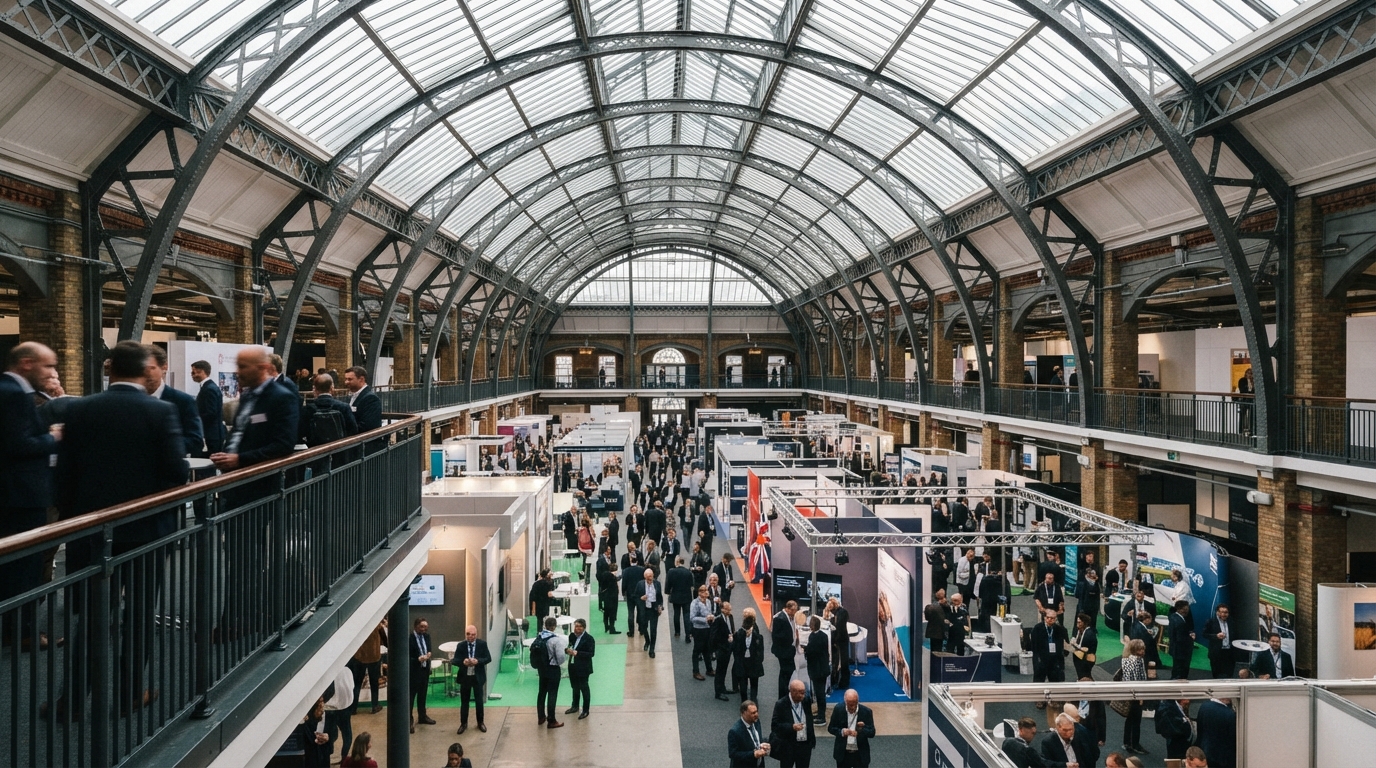
The Business Design Centre event-space information1 shows that the venue supports everything from large public events and trade-only exhibitions to conferences and smaller business sessions. Key spaces include the Mezzanine, Gallery Hall and Atrium, Auditorium, Executive Centre and meeting rooms.
That variety directly affects photography. A photographer covering a trade show on the Mezzanine may need to prioritise exhibition stands, visitor interaction, brand activations and wide architectural views. In the Auditorium, the emphasis shifts toward speakers, panels, audience reactions and stage production. If the programme moves between several areas, the brief needs to reflect those changes.
The Business Design Centre also rewards strong establishing photography. The building has a distinctive visual identity, so wide images can immediately communicate that the event is taking place in a major London exhibition environment. Those images are useful for recap articles, sponsor decks, exhibitor reports, future ticket campaigns and event case studies.
For speaker-led programmes, the site’s conference photography London service is the most relevant internal destination because it covers keynote sessions, panels, networking, branding, exhibitor stands and multi-session events.
The venue-based article should therefore do more than repeat the phrase ‘event photographer Business Design Centre’. It should help an organiser understand how the venue changes the job and what they should ask the photographer to deliver.
How the Mezzanine and Exhibition Floor Should Be Photographed
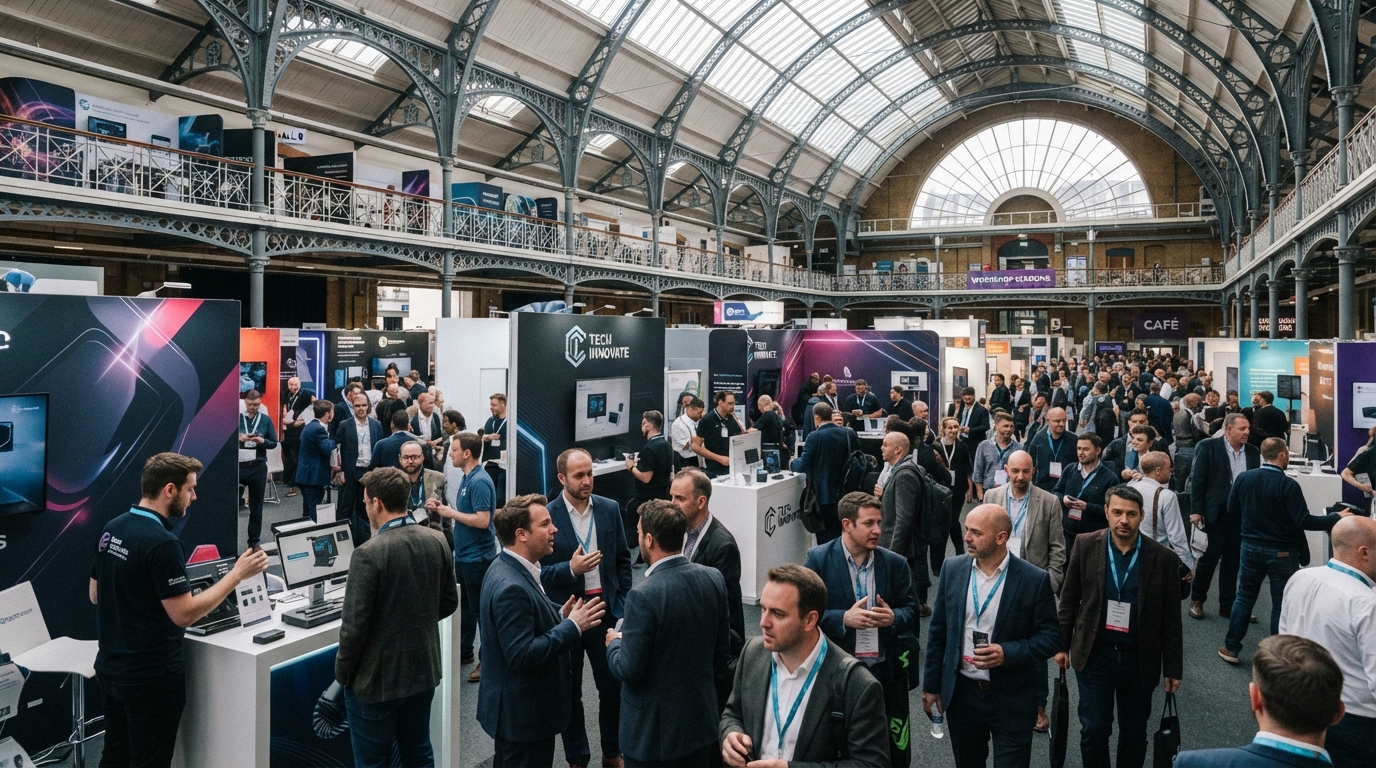
The official Business Design Centre organiser information2 describes the Mezzanine as an iconic, spacious event area bathed in natural light, while the venue’s published floorplans list it as the largest individual event space with capacity for up to 1,500 people.
For exhibition photography, that scale creates three essential image types.
1. Clean stand photographs before the aisles become busy
Exhibitors often need polished photographs of their stands for case studies, future event sales, internal reporting and portfolio use. Those frames are usually strongest before the show becomes crowded. The photographer should capture the stand straight-on, at an angle, and with enough context to show how it sits within the wider exhibition.
2. Real visitor interaction during the event
Once the floor is active, the priority changes. Product demonstrations, conversations between staff and visitors, hands-on interaction, meetings and genuine reactions are more useful than a series of posed photographs. These images help prove that the stand was active and that the event generated engagement.
3. Wide images that show scale
A strong exhibition gallery needs several high-angle or wide frames showing the volume of attendees, rows of stands and the architecture of the hall. These are often the best images for event websites, PR and next-year promotional campaigns.
The mistake is spending too much time on one exhibition stand while missing the broader event. If several sponsors or exhibitors have contracted photography requirements, they should be listed individually in the brief with priority times and must-have images.
Conference Photography in the BDC Auditorium and Meeting Spaces
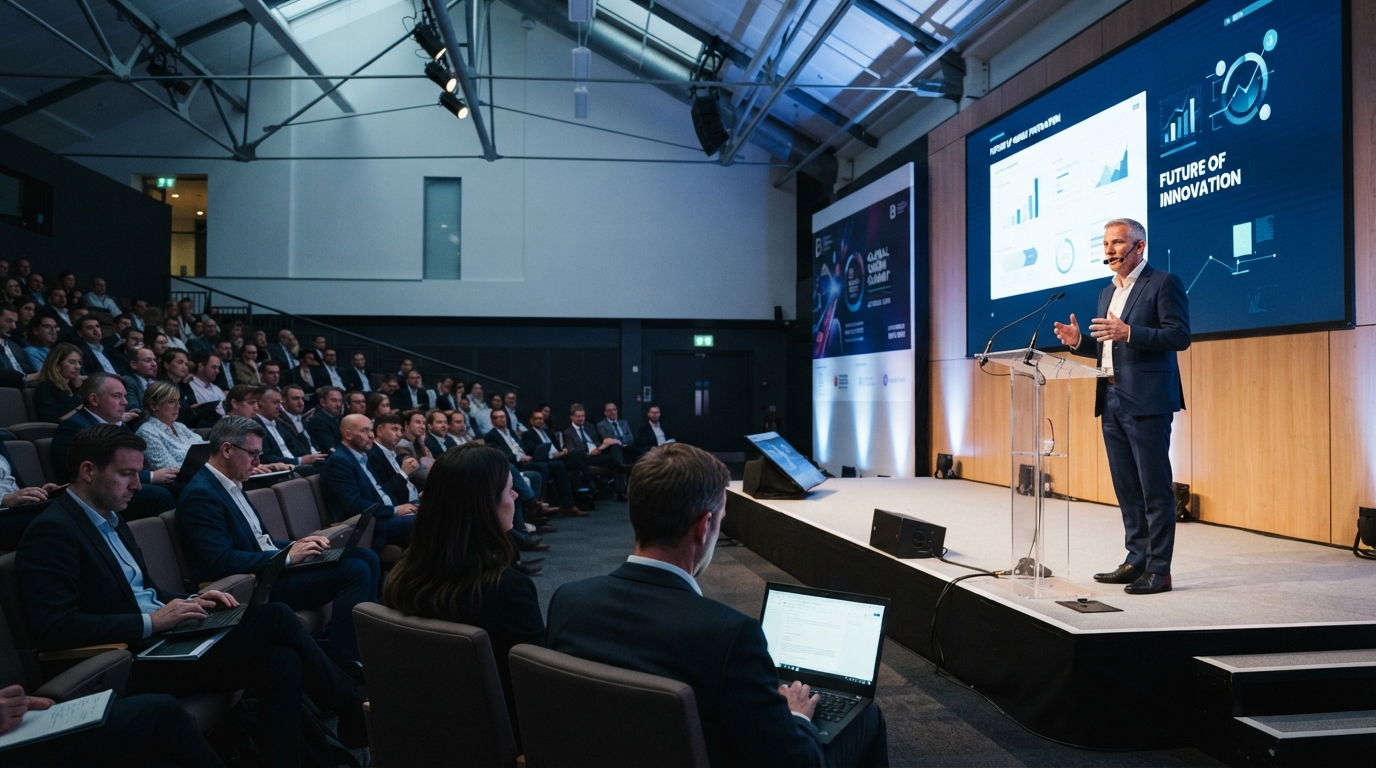
The Business Design Centre Auditorium page3 lists the Auditorium at 388 square metres with capacity for up to 500 in theatre style, alongside cabaret, classroom and dining configurations. The venue also offers Room A, the Executive Centre and smaller rooms for seminars, breakouts and meetings.
That mix means a conference photographer may need to move between very different visual environments. In the Auditorium, coverage should include keynote speakers, full-stage frames, panels, audience reactions and any branded screen content. Smaller rooms usually benefit from a more discreet documentary approach focused on discussion, interaction and group dynamics.
If breakout sessions are commercially important, do not assume the photographer will know which ones matter. The run sheet should mark the priority sessions clearly. A 20-minute executive roundtable may be more valuable to the final gallery than a one-hour session elsewhere, but only the organiser knows that in advance.
For conferences that transition into awards, dinners or evening recognition, the photography brief can expand to include presentations, winner reactions, group photographs, branded stage moments and informal celebration. Those requirements can link naturally to the site’s awards and corporate event photography service.
The overall goal is consistency. Even if the event uses several rooms, the final library should still feel like one coherent event rather than separate assignments stitched together.
Use the Architecture and Natural Light as Part of the Event Story
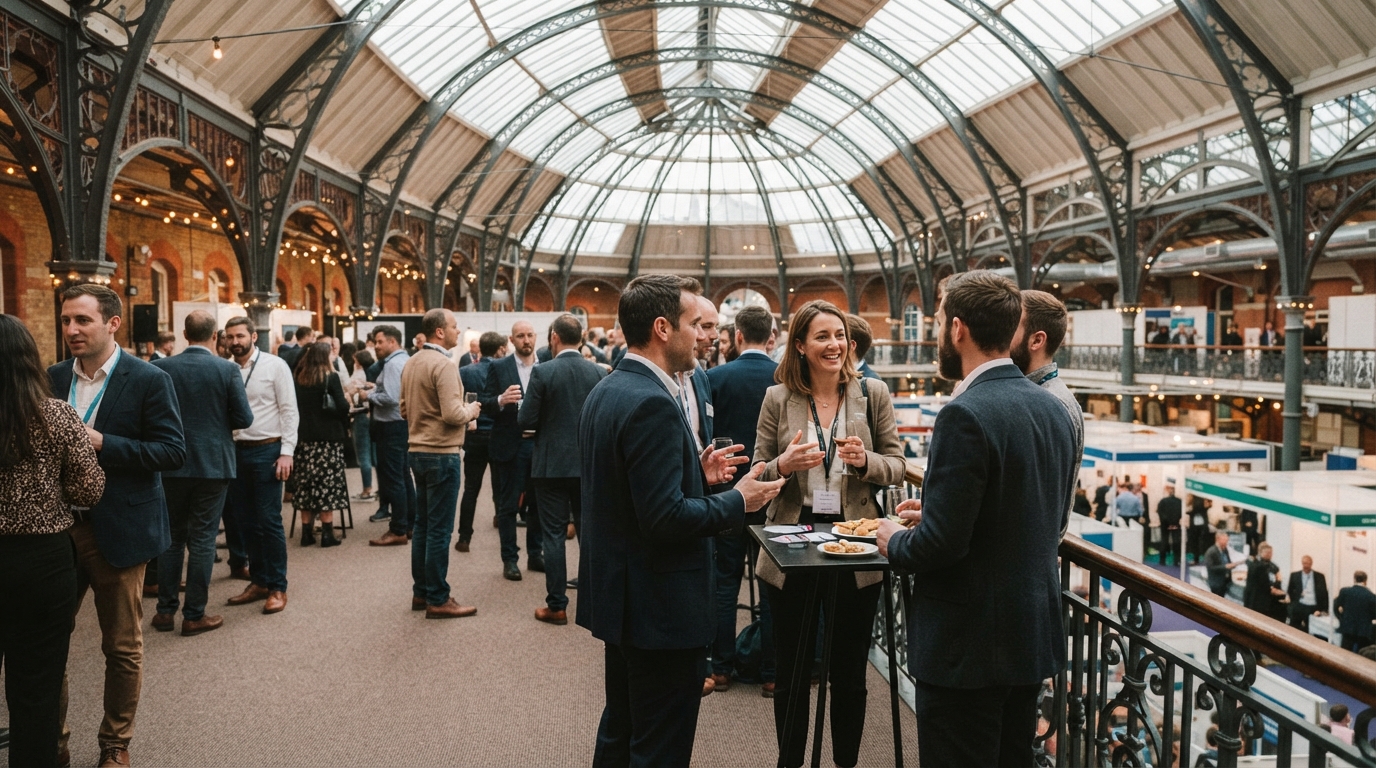
The venue’s official floorplans and capacity guide4 confirms the scale and configuration of the Mezzanine, Gallery Hall and Atrium, Auditorium and meeting spaces, giving organisers the opportunity to plan photography around both the architecture and the programme.
The Business Design Centre is visually distinctive, and that should be used selectively. Wide frames that include the roof structure, galleries, exhibition floor and natural light can immediately identify the venue. For organisers, these images are valuable because they communicate both attendance and production quality in one frame.
Natural light is particularly useful for networking and candid photographs because it can create a softer, more contemporary look than direct flash. However, the photographer still needs to manage mixed lighting from stands, screens and event production. Large exhibition spaces can have bright highlights and darker corners at the same time.
Architectural images should not replace people-focused coverage. A beautiful empty hall does not show whether delegates engaged with the programme. The strongest gallery combines wide venue context with close human interaction, brand presence, speaker content and details.
For venue SEO, this is also what makes the page worth indexing. The content should answer questions that are specific to the BDC rather than creating a near-duplicate of the ExCeL or Olympia articles.
Arrival, Access and Photographer Logistics in Islington
The Business Design Centre visitor information5 places the venue at 52 Upper Street, Islington, close to Angel Underground station and within easy reach of King’s Cross and St Pancras. The venue also publishes separate postcode information for its main reception, car park and loading bay.
For photographers carrying equipment, those distinctions matter. The organiser should confirm which entrance the photographer should use, whether accreditation is required, where equipment can be brought in, and how early access is available before delegates arrive.
Early access is especially useful for exhibitions. Clean photographs of stands, sponsor displays, signage and the venue itself are easiest before visitors fill the aisles. If the photographer only arrives when doors open, some of the most commercially useful images may already be harder to create.
The floor plan should also be shared when the event uses several spaces. The venue is large enough that movement between the exhibition floor, Auditorium and meeting rooms needs to be factored into the schedule. If two must-have sessions overlap, the organiser needs to prioritise one or consider a second photographer.
Photographer logistics should be part of event planning, not an afterthought. Clear arrival instructions and a named on-site contact remove unnecessary delays and allow the photographer to start working immediately.
What Should Be Included in a Business Design Centre Photography Brief?
A strong brief for the Business Design Centre should be practical rather than long. It should tell the photographer what cannot be missed and why. Include:
- event date, title and organiser
- exact BDC spaces being used
- arrival point, accreditation and access instructions
- full running order with photography priorities marked
- must-have speakers, VIPs and stakeholders
- exhibitor and sponsor lists with required coverage
- planned product demonstrations or launches
- group photographs and the time participants will be available
- registration, networking and hospitality periods
- same-day or rapid image delivery requirements
- intended use of the photographs across PR, social media, websites, reports and future event marketing
- a named event-day contact with a mobile number
If the event has dozens of exhibitors, do not simply ask for ‘stand coverage’. Identify which stands are contractually important, which sponsors require interaction shots and which brands need clean stand photography before opening.
Coverage length should match the real programme. The site’s event photography pricing and rates page provides a useful starting point for planning shooting time, professional editing, London travel and faster image delivery.
Frequently Asked Questions
What types of events can be photographed at the Business Design Centre?
The venue hosts exhibitions, trade shows, conferences, seminars, workshops, meetings, corporate events and other live formats. Photography can be tailored to the exact combination of exhibition, speaker, networking and sponsor coverage required.
Is the Business Design Centre good for exhibition photography?
Yes. Its large central exhibition environment, mezzanine, galleries and natural light can create strong stand photographs, interaction images and wide frames showing event scale.
Can one photographer cover both the exhibition floor and conference sessions?
Yes, if the schedule is realistic. If high-priority conference sessions and exhibition activity happen simultaneously, the organiser may need to prioritise coverage or book a second photographer.
Should exhibition stands be photographed before the event opens?
Where possible, yes. Clean stand images are easiest before visitors fill the aisles. The photographer can then return later for genuine interaction, demonstrations and networking.
How many sponsor or exhibitor photographs should we request?
There is no fixed number. The brief should identify which sponsors and exhibitors have contractual requirements and what each one needs, such as clean branding, staff interaction, demonstrations or wider contextual images.
Can we request same-day images?
Yes. Same-day selects can be planned for PR, social media, sponsor reporting or live event updates. The requirement should be agreed before the event so editing and delivery time are built into the schedule.
How early should the photographer arrive?
For exhibitions, arrival before doors open is particularly valuable. It allows clean stand, venue, sponsor and branding photographs before the floor becomes busy.
Do we need two photographers for a large BDC event?
Not automatically. A second photographer becomes useful when several important sessions overlap, multiple rooms are active at once, or exhibitor and conference coverage need to happen simultaneously.
What information should we send before the event?
Send the run sheet, floor plan, room names, exhibitor or sponsor priorities, speaker list, access instructions, must-have shots, intended image uses and delivery deadline.
How do I book a photographer for the Business Design Centre?
Once the event date, approximate hours and BDC spaces are confirmed, send those details with the event type and required deliverables. The photography scope can then be quoted and refined as the programme develops.
Book Event Photography at the Business Design Centre London
The Business Design Centre offers something valuable for organisers who want their photography to feel distinctive: a recognisable London exhibition setting combined with flexible conference and meeting spaces. The venue can produce a strong visual story, but only if the photography is planned around the event rather than treated as a generic record.
The strongest coverage will usually combine clean venue and stand photography, keynote and panel images, visitor interaction, sponsor visibility, networking, branded details and wide frames that show the scale of the exhibition or conference. The brief should prioritise those categories according to how the final images will actually be used.
Joel Knight provides professional conference, exhibition and corporate event photography across London. Coverage at the Business Design Centre can be planned around exhibitors, speakers, sponsors, multiple event spaces and rapid image delivery when required.
To check availability, contact Joel Knight with your event date, Business Design Centre spaces, approximate timings and the type of photography your team needs.
REFERENCES & CITATIONS
- Business Design Centre – Event Space for Hire – Used for the range of event spaces and event formats available at the venue.
- Business Design Centre – Organise an Event – Used for venue-space descriptions including the Mezzanine, Gallery Hall and Atrium, Auditorium and meeting rooms.
- Business Design Centre – Auditorium – Used for published Auditorium size, capacity and configuration information.
- Business Design Centre – Floorplans & Downloads – Used for official event-space capacities and size/configuration information.
5. Business Design Centre – Visitor Information – Used for Islington location, Angel station proximity and access/logistics information.