
 .
.
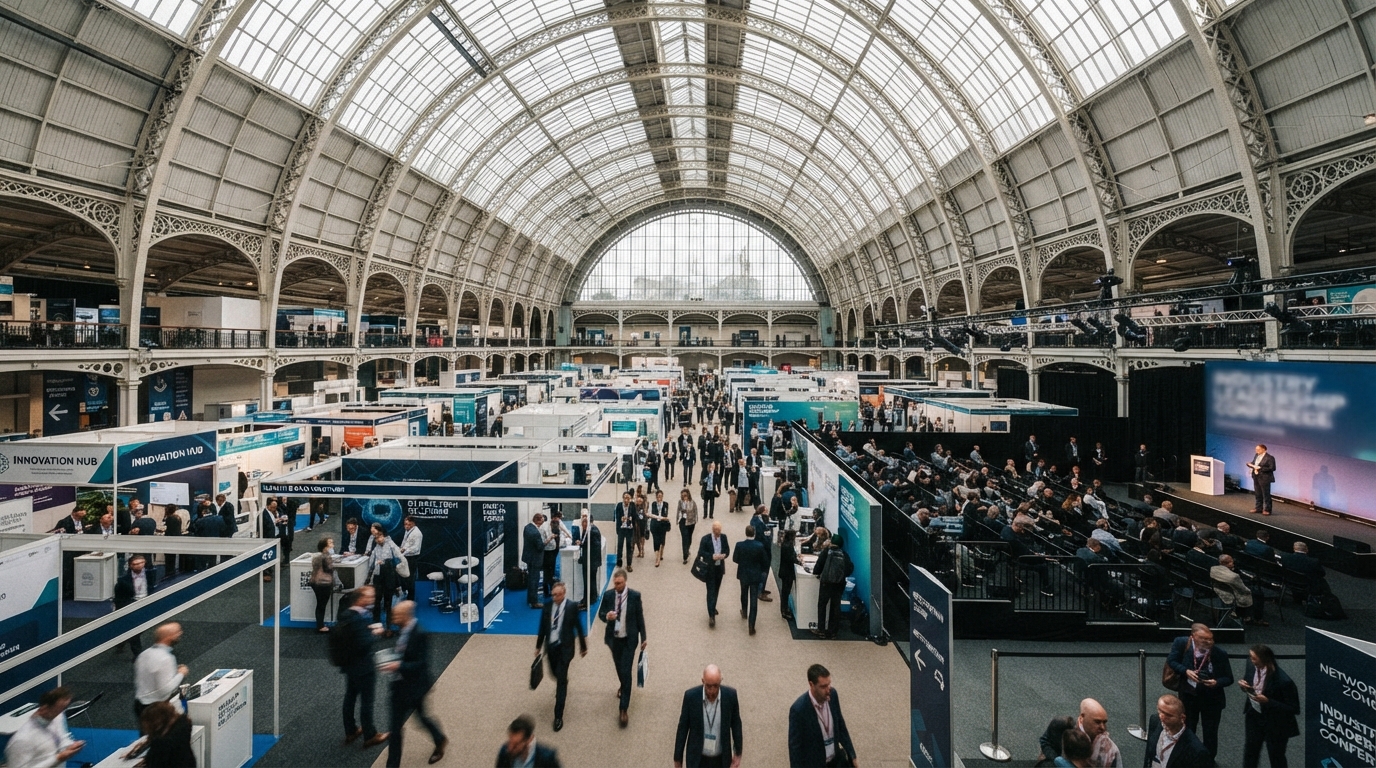
Olympia London is one of the capital’s most recognisable event venues, but from a photography point of view it is not one single type of space. A conference in the International Convention Centre, a large exhibition in the Grand Hall, a product launch in the National Hall and a branded experience in West Hall can all require very different coverage plans. The venue itself becomes part of the visual story, so the photographer needs to understand both the event programme and the space in which it is happening.
If you are organising an exhibition, conference, trade show, launch or corporate event at Olympia, the strongest image library will usually be planned before the doors open. The aim is not simply to record attendance. It is to create useful content for marketing, PR, sponsors, exhibitors, speakers, internal communications and the next edition of the event. This guide explains what an event photographer at Olympia London should capture, how the venue affects coverage, and what organisers should include in the photography brief.
Why Olympia London Needs Venue-Specific Photography Planning
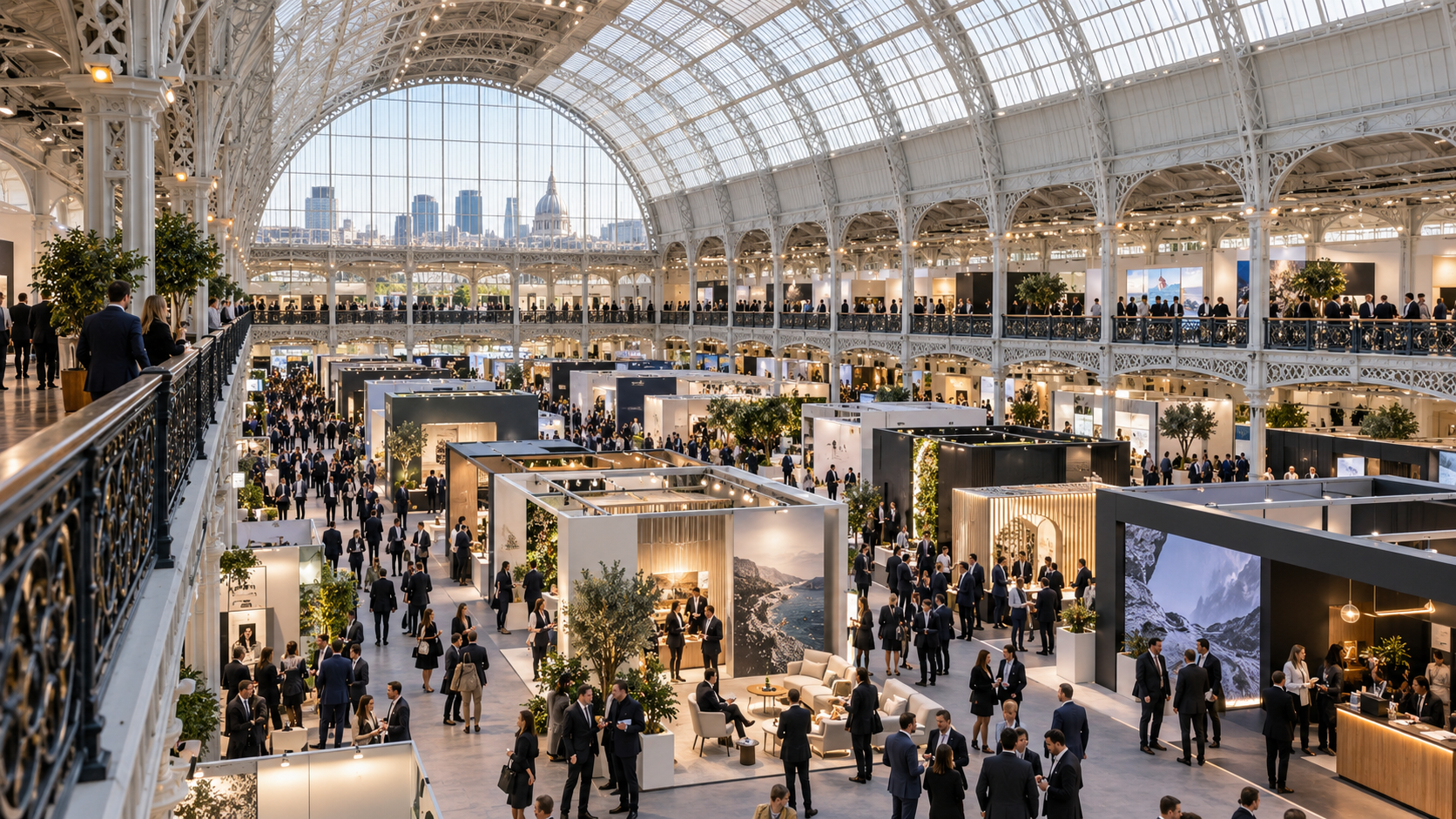
Olympia’s official Grand Hall information1 describes a 14,000 square metre hall with capacity for up to 7,000 people, natural daylight through its barrel-vaulted roof, gallery space and direct connections to other venue areas. Those characteristics create opportunities for impressive photography, but they also make movement, timing and camera position more important than they would be in a small hotel conference room.
The first planning question is therefore not just “What time should the photographer arrive?” It is “Which parts of Olympia are we using, and what must be documented in each one?” A large exhibition may need clean stand photography before the floor becomes crowded, then candid visitor interaction once the event opens. A conference may require registration, keynote sessions, panel discussions, breakout rooms, networking and sponsor areas. A launch may need more controlled brand and product images before guests arrive, followed by live-event storytelling once the room fills.
For conference-led programmes, the site’s conference photography service is the strongest internal destination because it already covers keynote sessions, panels, networking, branding, exhibitor stands and multi-room events.
The photography brief should identify the non-negotiable moments and the spaces in which they happen. At Olympia, that matters because the venue can operate as several connected environments rather than one continuous room. The photographer needs enough information to avoid spending valuable time moving between spaces while a priority moment is happening
elsewhere.
How Olympia’s Main Event Spaces Change the Photography Approach
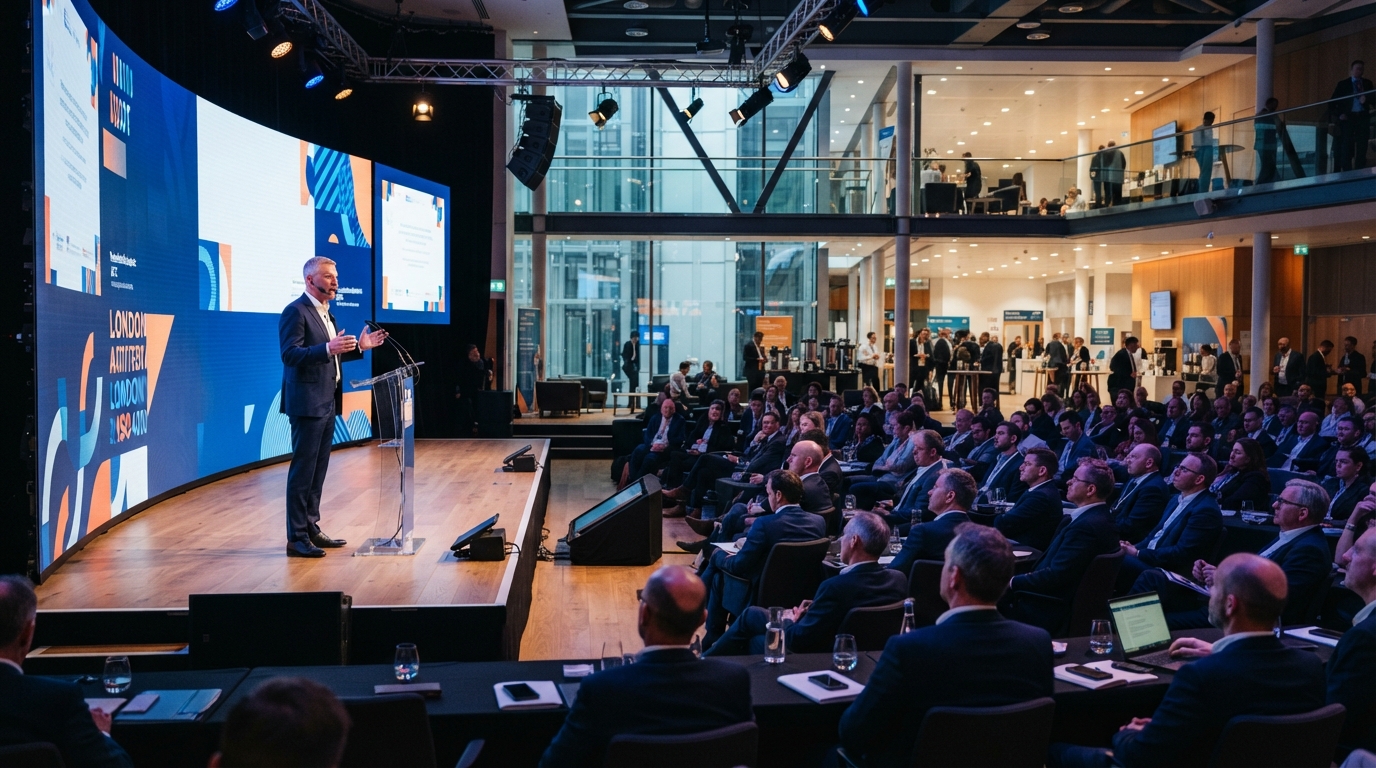
Olympia’s current venue information shows that its spaces are designed for very different formats. The International Convention Centre at Olympia2 includes auditoriums, breakout rooms, business lounges and flexible conference space, while the Grand Hall, National Hall and West Hall provide larger exhibition and live-event environments. The photography plan should reflect the format rather than treating the whole site as a single generic venue.
The Grand Hall
The Grand Hall is the space where scale and architecture can become part of the event story. Wide photographs should show the relationship between the event build, the crowd and the roof structure, while tighter photographs should document exhibitors, speakers, products and delegate interaction. If the organiser wants strong promotional images for next year, it is worth deliberately creating several clean wide shots at moments when the hall looks active without becoming visually chaotic.
The National Hall
The National Hall is smaller than the Grand Hall but still substantial. Olympia describes it as suitable for exhibitions, consumer shows, product launches and other major events. For photography, that means the organiser may need a mix of branded environmental images, activation coverage, guest interaction and stage or presentation content rather than a purely conference-style shot list.
West Hall
West Hall provides a more contemporary, flexible environment. Because the space can be controlled more heavily through event design, lighting and branding, the photography brief should include setup images before guests arrive as well as the live event. That allows the production work itself to be documented, not only the people who later occupy the space.
The International Convention Centre
The ICC adds another layer because it is built around auditoriums, breakout rooms, business lounges, foyers and multi-track conference use. For organisers, the main photographic risk is fragmentation: several important things can happen at once. If two breakout sessions, sponsor hospitality and a keynote overlap, a single photographer may need a strict priority list or additional coverage support.
What an Event Photographer Should Capture at Olympia London
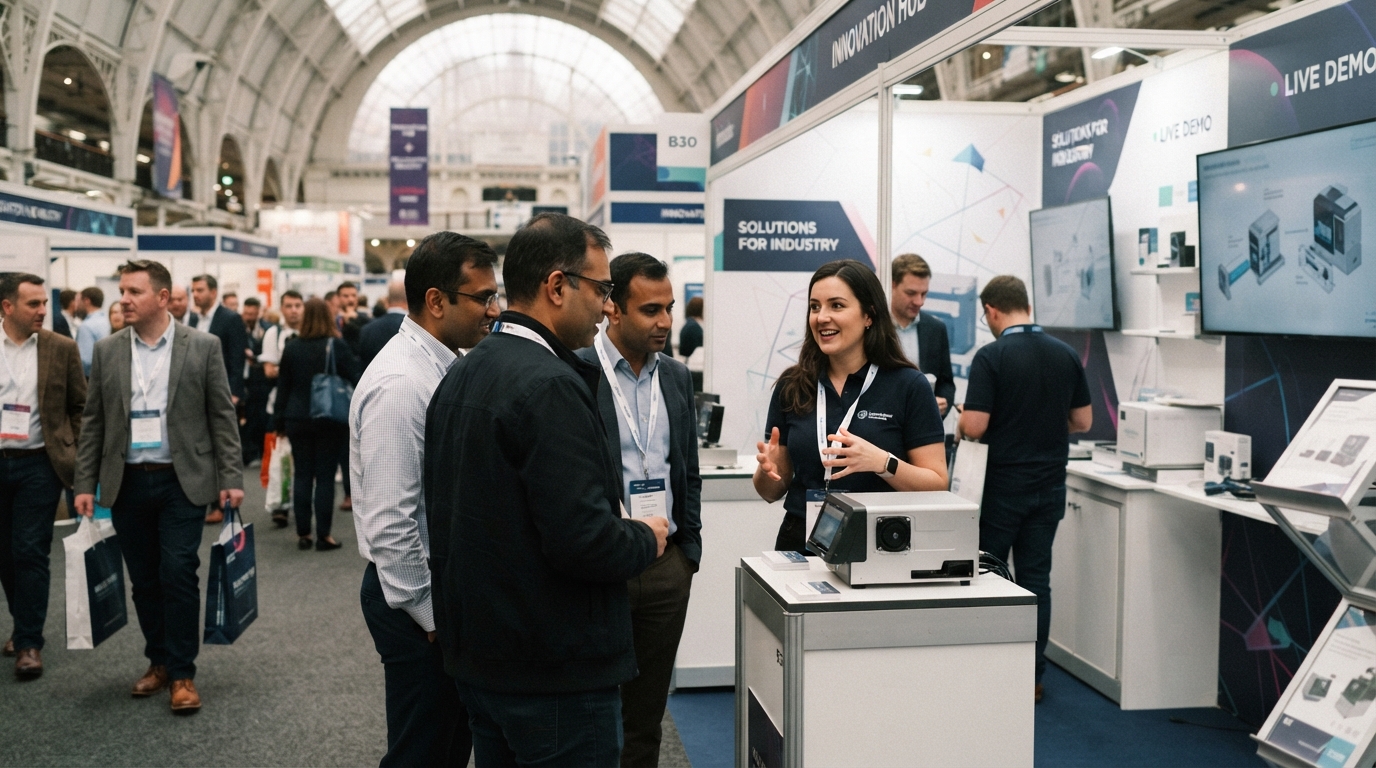
The National Hall venue page3 highlights Olympia’s use for exhibitions, product launches and major events. That variety is a useful reminder that a strong Olympia gallery should include different categories of images rather than dozens of similar crowd photographs.
For most business events, I would structure the shot list around the following groups:
- Venue and arrival: entrance, event branding, registration, signage and establishing shots that clearly place the event at Olympia.
- Speakers and sessions: keynotes, panels, moderators, Q&A, audience reactions and clean speaker portraits while presenting.
- Exhibition and product content: stands, product demonstrations, staff speaking with visitors, branded displays and clean stand photographs before peak footfall.
- Sponsors and partners: signage, sponsored sessions, activations, hospitality areas and genuine attendee interaction with sponsor assets.
- Networking: candid conversations, introductions, coffee breaks, hospitality and business interaction that show the value of attending.
- Event design: lighting, stage production, signage, furniture, décor, screens and wide room views that document the production quality.
- People and atmosphere: crowd energy, reactions, applause and moments that make the final gallery feel active rather than procedural.
The balance will depend on the client. An exhibition organiser may prioritise overall attendance, exhibitors and sponsors. An exhibitor may care most about its stand, product interactions and sales team. A conference organiser may need speaker content and audience engagement. The photography brief should state whose success the pictures are meant to demonstrate.
If the programme includes awards, evening hospitality, launches or high-profile corporate guests, it is also sensible to link the brief to the site’s awards and corporate event photography service so the coverage includes the formal and social parts of the event, not just daytime conference content.
Practical Photography Logistics at Olympia London
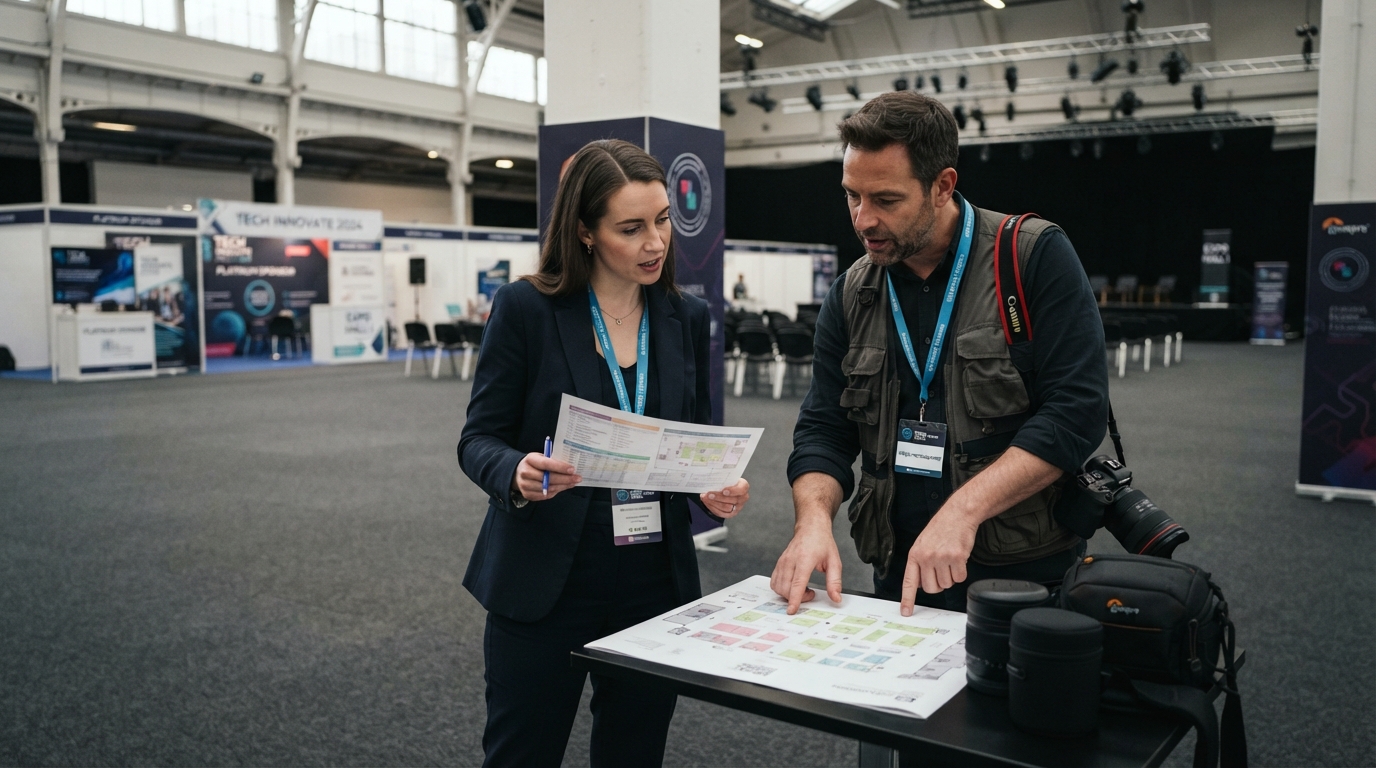
Olympia’s current travel guidance4 states that the venue sits next to Kensington (Olympia) station, with additional access from West Kensington, Barons Court and Hammersmith. That is useful for delegates, but photographers still need the exact hall, entrance and access instructions because arriving at “Olympia” is not the same as arriving at the correct event position with equipment.
Confirm the hall and entrance
The brief should state whether the event is in the Grand Hall, National Hall, West Hall, the ICC or a combination of spaces. Include the correct organiser or exhibitor entrance and the name of the on-site contact. This prevents wasted time on arrival, especially before registration opens.
Build movement into the schedule
If the photographer needs to move from a keynote to an exhibition floor and then to a sponsor lounge, the run sheet should allow for that. Large venues punish unrealistic schedules. Five minutes between two must-have moments can disappear quickly once crowd movement, security or equipment access is involved.
Photograph the setup before the crowd
For exhibitions, launches and heavily branded events, schedule a short window before doors open. This is often the only time to photograph stands, signage, staging and design cleanly. Once the venue is busy, those same assets may be visually blocked by delegates and bags, coats, catering or queues.
Plan same-day delivery in advance
If marketing teams, sponsors or press contacts need images during the event, identify those deliverables before the photographer arrives. The photographer can then flag priority frames as the day develops and build editing time into the schedule instead of attempting to create an urgent workflow unexpectedly.
For budgeting, the event photography pricing and rates page explains how coverage duration, London travel, editing and optional on-the-day delivery are structured. That is a better basis for scoping the job than choosing an arbitrary number of hours without considering the programme.
How to Make Olympia Event Photography Work Harder After the Event
Olympia’s West Hall information5 describes the space as suitable for exhibitions, conferences, product launches and live performances, illustrating the range of commercial event formats hosted across the venue. For organisers, that range is a reminder that the photographs should be created for post-event use as well as immediate documentation.
A good Olympia image library should be capable of supporting several teams at once. Marketing may need social content and web banners. PR may need clean speaker or launch images. Sales may need evidence of a busy event for next year’s exhibitor deck. Sponsors may need proof of visibility and engagement. Speakers may request photographs for their own profiles. Internal teams may need images for reports, newsletters or board presentations.
This is why coverage should include both portrait and landscape compositions, clean negative space where useful, wide contextual images and tighter storytelling details. Ten near-identical photographs of the same stage moment are less useful than a deliberate set that gives different teams different assets.
For recurring exhibitions or conferences, the strongest commercial value often appears months later. Images from this year become the campaign material for the next event. A full hall, strong speaker moment, active exhibition stand or genuine networking interaction can communicate more quickly than several paragraphs of sales copy
Frequently Asked Questions
What kinds of events can a photographer cover at Olympia London?
Professional photography can cover exhibitions, trade shows, conferences, conventions, corporate events, product launches, brand activations, awards, networking events and other live programmes across Olympia’s event spaces.
Which Olympia space is best known for large exhibitions?
The Grand Hall is Olympia’s largest and most iconic exhibition space. The National Hall and West Hall also host exhibitions and major events, while the ICC is focused more heavily on conferences, conventions and multi-track programmes.
Can one photographer cover several Olympia halls?
Yes, if the schedule allows realistic movement between spaces. If several must-have sessions or activations happen simultaneously, a second photographer may be required to avoid gaps.
Should exhibition stands be photographed before the show opens?
Yes. A short pre-opening window is valuable because it allows clean photographs of stands, products, signage and event design before delegates block important visual elements.
Can you photograph both speakers and exhibition activity?
Yes. The brief should show session timings and priority stands so the photographer can move strategically between conference and exhibition content.
How early should I book an Olympia London event photographer?
For large exhibitions, conferences and multi-day events, booking once the date and venue are confirmed is sensible. More lead time gives you better availability and more opportunity to plan complex coverage.
Can I request same-day photographs from an Olympia event?
Yes. Same-day highlights can be planned for social media, press, sponsor updates or internal communications. The requirement should be agreed before the event so editing time is built into the workflow.
What should I send with the photography brief?
Send the event date, exact Olympia space, access instructions, run sheet, floor plan, speaker list, sponsor requirements, priority exhibitors, must-have moments and intended image uses.
Do I need two photographers for a trade show?
Not automatically. One photographer may be enough for a focused programme, but large floors, multiple stages or simultaneous sponsor requirements can make a second photographer commercially worthwhile.
How do I book photography for an event at Olympia London?
Once the date, venue space and approximate timings are confirmed, send the event details through the website contact page so availability, coverage hours, deliverables and any same-day requirements can be discussed.
Plan Your Olympia London Photography Before the Doors Open
Olympia gives organisers impressive architecture, flexible event spaces and the scale to build ambitious conferences, exhibitions and brand experiences. Those strengths also make a generic photography approach less effective. The photographer needs to understand the hall, programme, priorities and commercial use of the images before the event becomes busy.
Plan the coverage around what the pictures must prove: attendance, speaker quality, sponsor visibility, exhibitor engagement, production value, networking or brand experience. When those priorities are clear, the final gallery becomes a marketing asset rather than simply a record of what happened.
If you are planning an exhibition, conference or corporate event at Olympia London, use the contact page to share your date, Olympia space, event schedule and photography requirements.
REFERENCES & CITATIONS
- Olympia – The Grand Hall – Used for current Grand Hall size, capacity, architecture, natural light and connected-space context.
- Olympia – International Convention Centre – Used for current information on auditoriums, breakout rooms, business lounges and multi-track conference use.
- Olympia – The National Hall – Used for current venue-use context including exhibitions, launches and major events.
- Olympia – Getting Here – Used for current access information and proximity to Kensington (Olympia) and nearby stations.
- Olympia – West Hall Ground Floor – Used for current West Hall event-format and space-planning context.