
The question I get asked more often than almost any other before a private event or party commission is some version of this: do you do posed or natural? And my honest answer is always the same: the best event photography does both, but the balance between them should be driven by what you need the images to do, not by what sounds more appealing as a concept.
Both candid and posed event photography serve real and valuable purposes. Neither is objectively better. What matters is which approach, or which combination of approaches, produces the images that serve your specific event, your specific audience, and the specific memories or commercial purposes you need the photography to create. This guide breaks down what each style actually involves, what it produces, and how to decide which is right for your event in London.
What Candid Event Photography Actually Involves
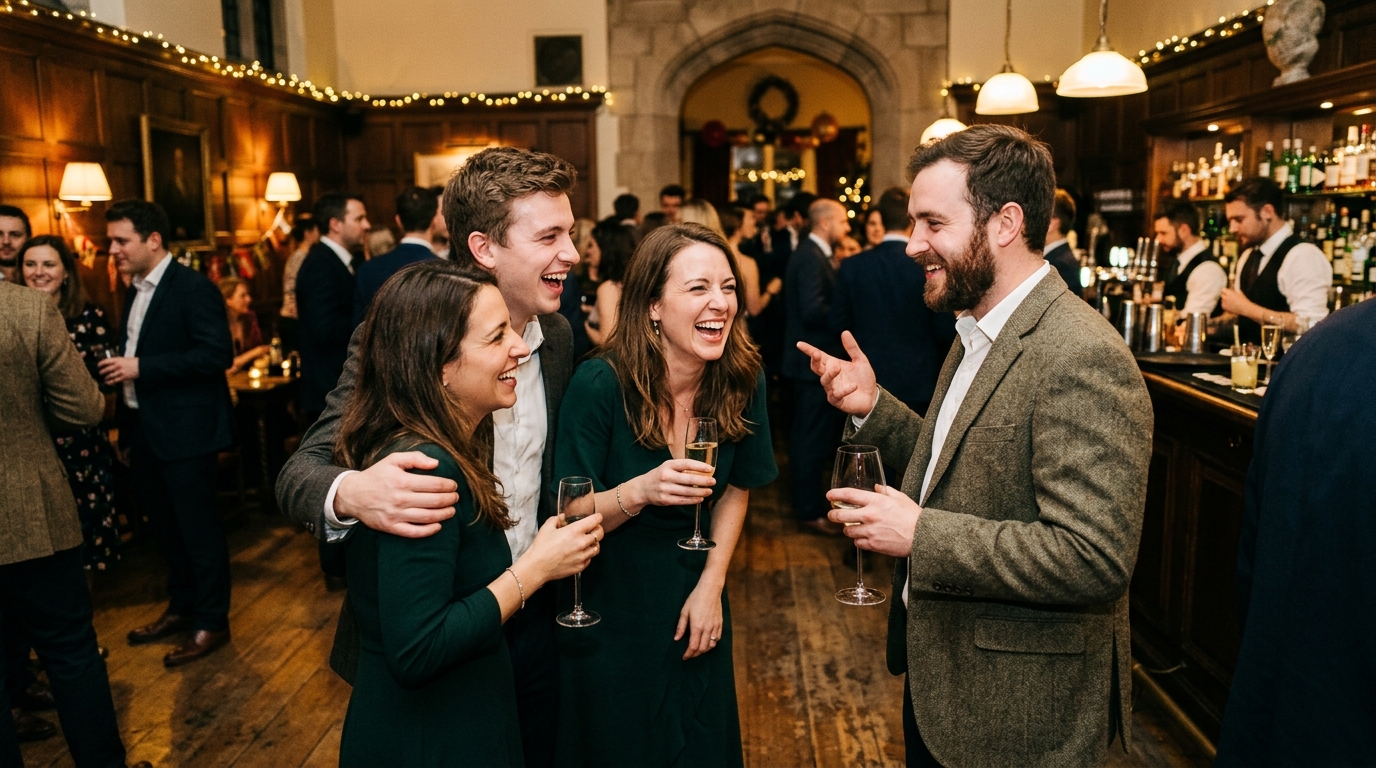
Candid event photography is frequently misunderstood. It is not simply photography where the photographer does not ask people to pose. It is a specific documentary approach that requires the photographer to anticipate moments before they happen, move through the event invisibly, and capture images that communicate genuine human experience rather than a performance of it.
As Bernardson Photography’s professional guide to documentary event photography1 identifies, true candid event photography requires a fundamentally different approach from the photographer than posed or semi-posed work. The photographer must be comfortable working at close range without drawing attention, must have the technical ability to shoot at low light without flash that would alert subjects, and must develop an instinct for where the next genuine moment is likely to happen before it does. A candid photographer who is technically skilled but socially awkward will disrupt the environment they are trying to document. A candid photographer who is socially comfortable but technically slow will miss the moments they are trying to capture.
The specific qualities that define genuine candid event photography include:
- Subjects are unaware of the camera. The defining characteristic of a truly candid image is that the subject is not performing for the photographer. Their expression, their posture, and their interaction with the people around them are entirely natural because they do not know they are being photographed. Achieving this consistently across a full event requires the photographer to work with a long lens when distance is appropriate, to use a silent shutter to eliminate camera sound, and to move through the event in a way that does not draw attention.
- Moments are captured, not constructed. A candid photographer does not arrange the scene before capturing it. They find the scene that is already happening and capture it as it is. The difference between a candid image and a constructed image is visible in the finished photograph even to people who are not photographers, because authentic spontaneity has a quality of energy and life that arranged scenarios rarely replicate convincingly.
• The emotional truth of the event is the subject. A well-executed candid event library tells the story of the event through its genuine emotional moments: the first reaction when the guest of honour arrives, the table of friends who have not seen each other in years, the child who falls asleep during the speeches, the colleague who cries at the retirement tribute. These are the images people keep for decades and the ones that stock photography can never produce.
What Posed Event Photography Involves and When It Is the Right Choice
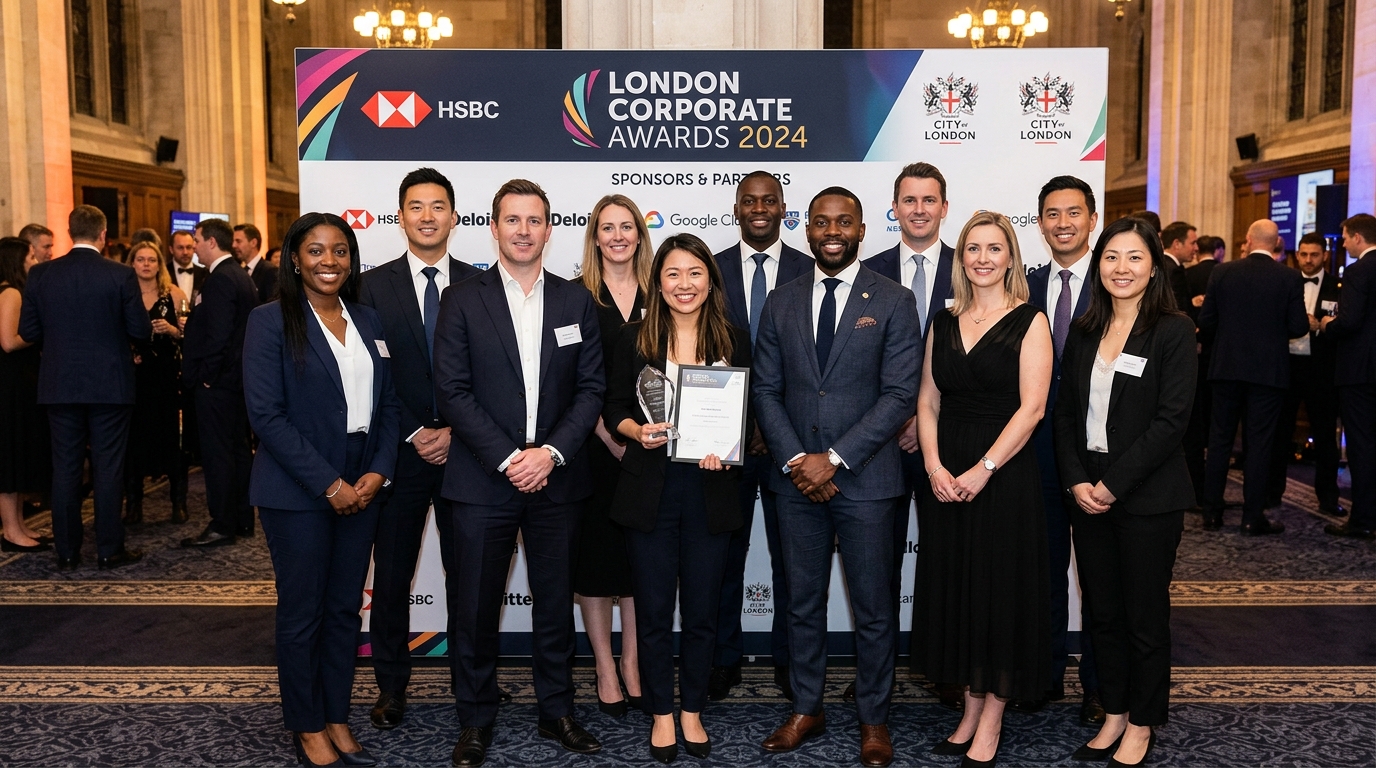
Posed photography at events has a reputation problem. People associate it with awkward line-ups, forced smiles, and the kind of stiff group photographs that nobody looks good in. In practice, skilled posed photography at events is none of those things. It is deliberate, directed, and highly valuable for specific purposes that candid photography cannot serve.
As Retines Photography’s 2025 guide to event photography styles and their commercial applications2, posed photography at events is the appropriate choice when the specific purpose of the image requires that all subjects are clearly visible, clearly identified, and clearly presented in a way that serves a defined commercial or social purpose. The contexts where posed photography is not just acceptable but necessary include:
Award presentations and trophy handovers
A trophy handover or award presentation is a moment that requires a clean, clear image of specific identified individuals in a specific moment. The candid version of a trophy handover, where the photographer captures the moment without direction, produces an image where someone’s eyes may be closed, where the trophy is partially obscured, or where one of the two individuals is turning away. The posed version, where the photographer provides brief direction to ensure both faces are visible and the trophy is clearly in frame, produces an image that serves every purpose the award winner, the presenter, and the organising body need it to serve. This is not a choice between authentic and inauthentic. It is a choice between a usable image and an unusable one.
Group and team photographs
A group photograph of a team, a department, or a set of award winners requires that every individual in the group is clearly visible, clearly lit, and clearly identified. Candid photography cannot deliver this because it cannot control where every individual is standing, which direction they are facing, or whether someone at the back of the group is obscured by someone in the front. A photographer who can direct a group quickly and efficiently, producing a composed group shot in under three minutes without making participants feel awkward or overly managed, is providing a genuinely valuable service that no amount of candid coverage can replace.
Headshots and individual portraits at events
Many corporate events provide an opportunity to refresh individual employee headshots alongside the event coverage. A clean, well-lit individual portrait taken at the event serves the employee’s LinkedIn profile, the company’s internal directory, and external press materials. This is explicitly posed photography and it is among the most commercially valuable outputs from a corporate event photography commission. Including it as a specific deliverable in the brief rather than hoping it arises naturally from candid coverage is what makes it happen consistently.
Sponsor and VIP photographs
Events with sponsors, patrons, or VIP guests often have contractual or relationship obligations that require specific photographs of those individuals in specific contexts. A sponsor whose logo must appear beside a named individual in a specific type of image is a requirement that candid photography cannot reliably fulfil. Brief direction to ensure the right people are in the right frame with the right branded elements visible is not a compromise of photographic integrity. It is the practical fulfilment of a commercial obligation.
Why Most Events Need Both Styles, Not One or the Other
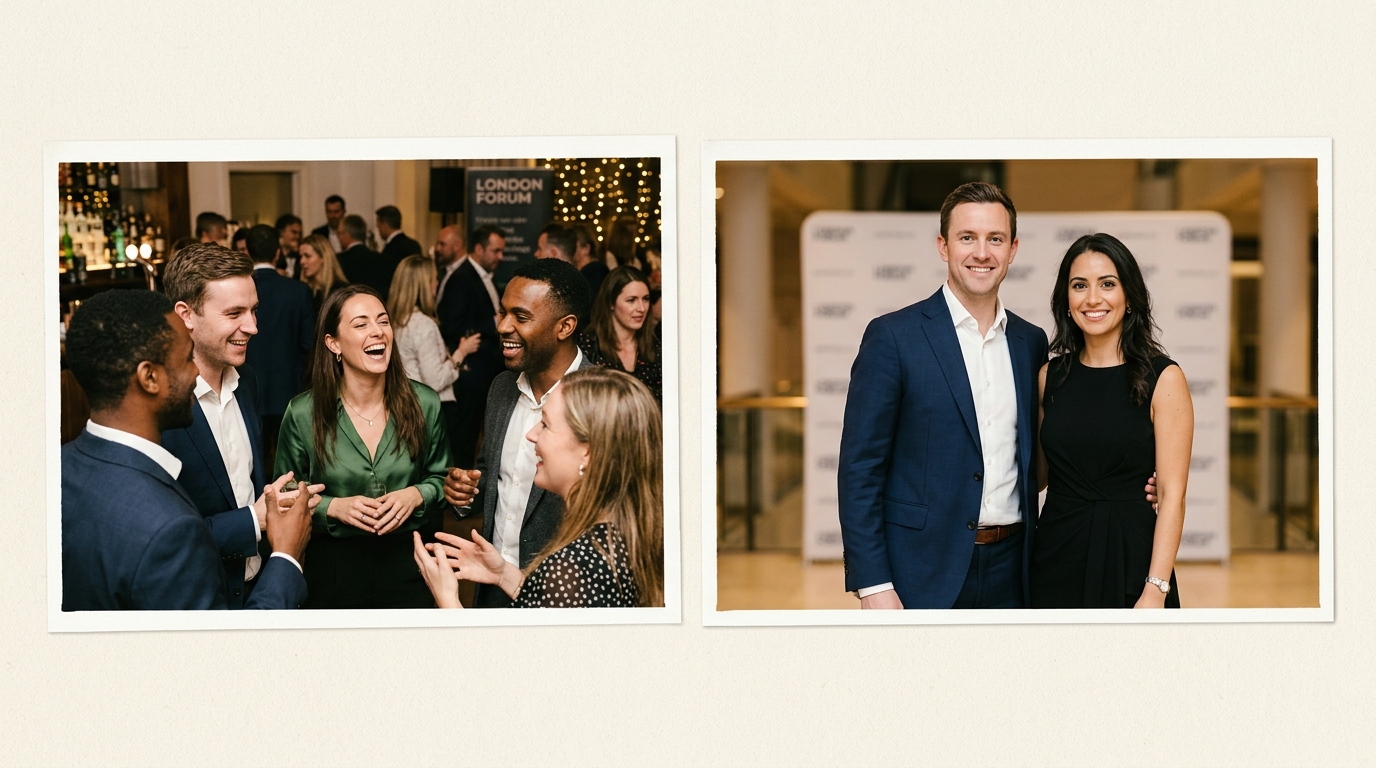
In my experience, clients who ask for purely candid photography are almost always disappointed when they realise that the group photograph they wanted does not exist in the library because nobody thought to organise it. And clients who ask for purely posed photography are almost always disappointed when the library communicates nothing of the energy, warmth, and life of the event they worked so hard to create.
As Social Tables’ guide to event photography style planning3, the most commercially effective event photography libraries consistently combine candid coverage with specifically directed posed shots because the two approaches serve different and complementary purposes. The candid coverage communicates the emotional truth of the event. The posed coverage ensures that specific required images exist in a form that serves every practical purpose they are needed for. Choosing one to the exclusion of the other produces a library with gaps that cannot be filled after the event.
The practical balance between candid and posed photography varies by event type:
- Private celebrations and parties. A private birthday party, anniversary celebration, or social gathering typically benefits from a ratio of approximately seventy to eighty percent candid coverage and twenty to thirty percent posed. The primary purpose of the photography is to capture genuine memory, so candid authenticity is the priority. A handful of posed group shots ensures that formal family or group photographs exist alongside the candid library.
- Corporate events and conferences. A corporate event typically benefits from a more balanced ratio of fifty to sixty percent candid and forty to fifty percent posed. The formal programme requires documented posed coverage. The networking, social, and recognition moments benefit from candid treatment. The balance should be adjusted based on the specific priorities of the brief.
- Awards evenings. An awards evening is the event type where posed photography is at its most commercially important and should receive the highest allocation. Trophy handovers, individual winner portraits, and group photographs of award recipients are all posed deliverables that must exist in a specific, usable form. The drinks reception and dinner periods provide the candid counterbalance that communicates the evening’s atmosphere and human warmth.
• PR and media events. A PR or media event where the photography will be used in press and editorial contexts typically benefits from a higher candid ratio because press imagery is expected to look natural and unposed. Posed group shots at a PR event often look staged in a way that editorial photograph editors will reject. Candid, dynamic images of genuine interaction perform significantly better in editorial contexts.
How to Tell Your Photographer Which Balance You Need
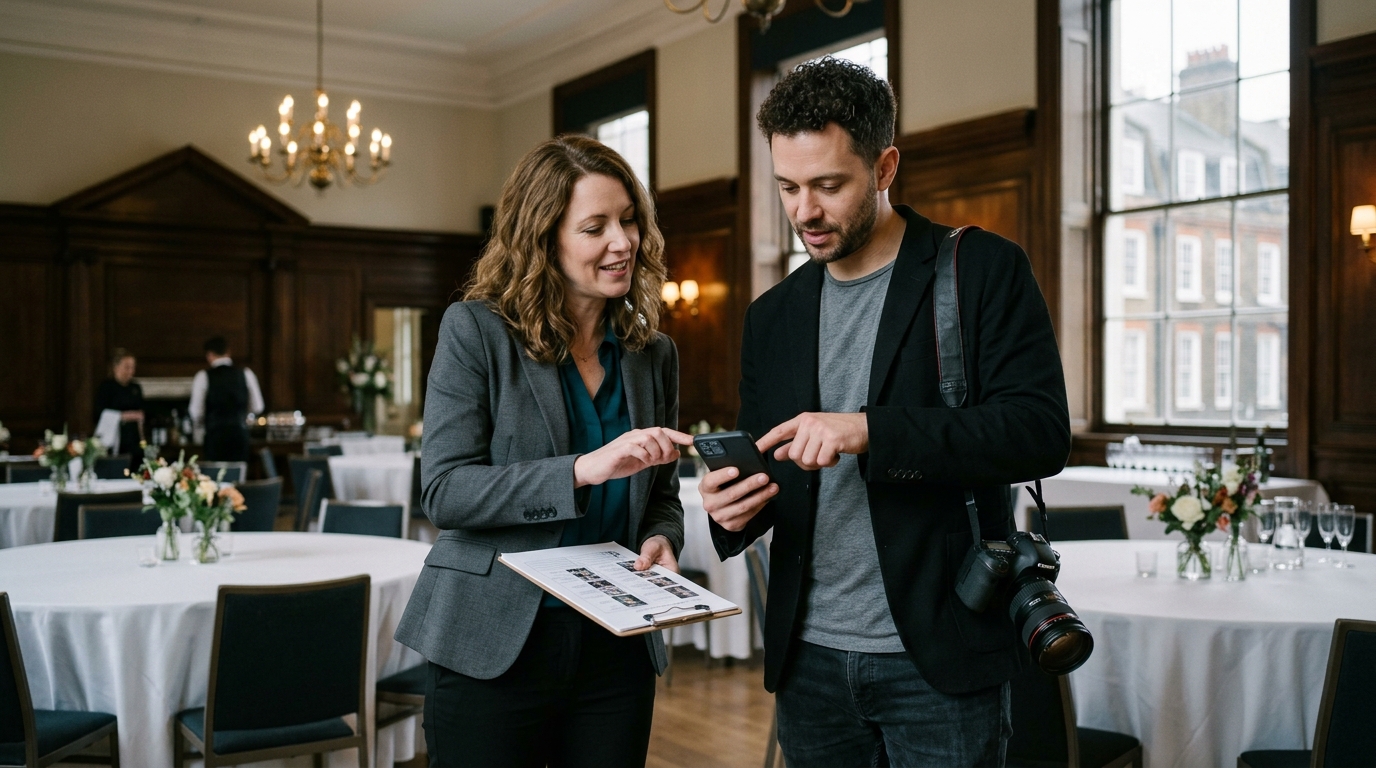
The balance between candid and posed photography is not something that should be left to the photographer to decide on the day. It should be established in the brief before the event, based on clear answers to a small number of specific questions that determine what the library needs to contain.
As Neurapix’s 2025 guide to event photography briefs and style instructions4, the most effective way to communicate a photography style preference is not through terms like candid or natural, which mean different things to different photographers, but through specific descriptions of the images you need and the purposes they will serve. The questions to answer in your brief that establish the right style balance include:
- What are the non-negotiable posed images? List every group photograph, individual portrait, award presentation, or specific posed shot that must exist in the library regardless of how the rest of the event is covered. These are the images the photographer will prioritise and plan for in advance. Everything else is candid coverage around them.
- What will the images be used for? Press and editorial use favours candid. Internal communications use favours candid. LinkedIn and social media favour a mix with a slight candid bias. Annual reports and formal publications favour posed. Knowing the intended use tells the photographer which style to weight more heavily in their coverage.
- What is the atmosphere of the event? A formal black-tie awards dinner has a different atmosphere from a casual summer team party. The photography style should reflect and reinforce the event’s character rather than working against it. A heavily posed approach at a casual celebration feels stilted. A heavily candid approach at a formal awards ceremony misses the deliberate moments the ceremony was designed to create.
• Are there guests who need to be specifically identified? If there are VIPs, sponsors, or key individuals whose presence in specific images is a requirement rather than a preference, those individuals need posed coverage. Including their names in the brief, alongside their importance to the commission, ensures the photographer prioritizes them appropriately rather than relying on candid coverage to capture them by chance.
Frequently Asked Questions
Can I ask for candid photography and still get a group photograph?
Yes, and you should. A candid photography brief does not mean the photographer will never direct or arrange a shot. It means that the default approach throughout the event is to capture genuine unscripted moments rather than organising subjects for the camera. A group photograph is a specific, planned exception to that default, not a contradiction of it. The most effective approach is to specify any required group photographs explicitly in the brief and to allow the photographer to choose the moment and the arrangement, which typically produces a more natural-looking result than a client-directed group line-up.
Will posed photographs look stiff and awkward?
Not if the photographer is skilled at directing people. The difference between a stiff, uncomfortable posed photograph and a natural-feeling posed photograph is almost entirely a function of the photographer’s ability to direct subjects briefly and confidently into positions and expressions that feel authentic rather than performed. A photographer who says stand there and look at the camera produces one result. A photographer who creates a brief moment of genuine interaction between subjects before capturing the image produces something that reads as posed but feels natural. As Photier’s 2025 guide to portrait and event photography direction technique5, the most effective event photographers switch fluidly between candid and directed modes without subjects noticing the transition, producing a library where both styles feel coherent and authentic rather than jarring.
Does documentary event photography mean black and white images?
No. Documentary or candid event photography refers to the approach and intent of the photography, not the colour treatment of the finished images. Documentary photography captures genuine, unscripted moments rather than constructed or posed ones. It can be delivered in full colour, in black and white, or in a mix of both depending on the brief and the aesthetic preferences of the client. If you have a preference for black and white imagery, specify this in the brief. Most event photographers can deliver a selection of both colour and monochrome images from the same shoot if that is the preference.
Is candid photography appropriate for formal corporate events?
Yes, and in most cases it is the most commercially valuable approach for the majority of a corporate event’s coverage. Candid photography at a corporate conference captures the genuine engagement of the audience, the energy of the networking breaks, the human reactions to keynote moments, and the authentic connection between colleagues and industry peers. These images perform better in press, on LinkedIn, and in internal communications than posed equivalents. The formal programme elements of a corporate event, speaker portraits, award handovers, group photographs, are covered with directed posed photography. Everything around those moments benefits from candid coverage.
Which style is better for social media content?
For most social media contexts in 2025, candid photography consistently outperforms posed photography in terms of engagement. Genuine, unscripted images of real people in real situations generate higher save rates, higher share rates, and stronger comment engagement than posed alternatives on LinkedIn, Instagram, and Facebook. The exception is individual portrait content, where a clean, well-lit posed portrait typically outperforms a candid snap for professional profile and personal branding use. The strongest social media content strategy from any event uses candid images for atmosphere, culture, and general coverage posts, and posed portraits for individual recognition and leadership content. Browse the full private event and party photography portfolio and the corporate and awards photography portfolio at eventphotographer.photos to see both styles in practice, then get in touch via the contact page to discuss which balance is right for your event.
Book a London Event Photographer Who Masters Both Styles
The candid versus posed question is not a binary choice. The answer for almost every event is both, in a ratio determined by what the images need to do and who they need to serve. A photographer who can switch fluidly between documentary and directed modes, who plans for the required posed shots before the event begins and pursues genuine candid moments throughout, produces a library that captures both the memory and the usefulness of every occasion.
Joel Knight is a London-based event photographer covering private celebrations, corporate events, awards evenings, and PR occasions across London and the UK. Browse the full private event and party photography portfolio, the corporate and awards photography portfolio, and the conference photography portfolio at eventphotographer.photos, then get in touch via the contact page to discuss your event.
REFERENCES & CITATIONS
- Bernardson Photography (2025). Documentary Event Photography: Technical and Social Requirements for Genuine Candid Coverage. bernardson.com. Cited in H2 Section 1. [True candid event photography requires the photographer to be comfortable working at close range without drawing attention, to shoot at low light without flash, and to develop instinct for where the next genuine moment is likely to happen before it does.]
- Retines Photography (2025). Event Photography Styles and Their Commercial Applications: When Posed Photography Is the Right Choice. retines.fr. Cited in H2 Section 2. [Posed photography at events is the appropriate choice when the specific purpose of the image requires that all subjects are clearly visible, clearly identified, and clearly presented in a way that serves a defined commercial or social purpose.]
- Social Tables (2025). Event Photography Style Planning: Combining Candid and Posed Coverage for Complete Libraries. socialtables.com. Cited in H2 Section 3. [Most commercially effective event photography libraries consistently combine candid coverage with specifically directed posed shots because the two approaches serve different and complementary purposes.]
- Neurapix (2025). Event Photography Briefs and Style Instructions: Communicating Coverage Preferences Effectively. neurapix.com. Cited in H2 Section 4. [Most effective way to communicate a photography style preference is through specific descriptions of the images you need and the purposes they will serve, not through general terms like candid or natural.]