
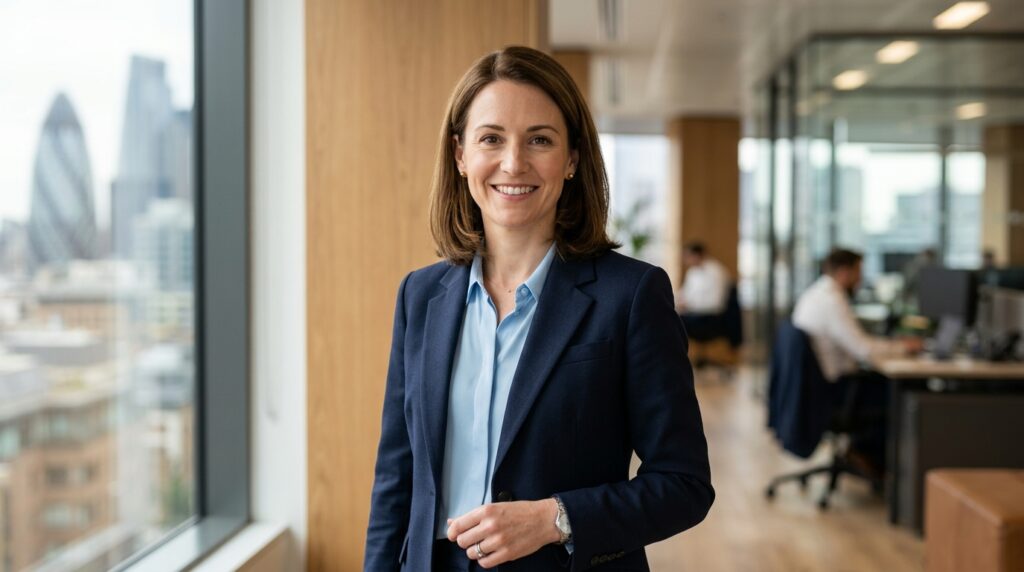
The professionals who arrive at a headshot session most prepared are almost never the ones who have spent the most time worrying about it. They are the ones who have made three or four clear decisions in advance: what to wear, how they want the image to feel, which channel it will primarily appear on, and what expression communicates the version of themselves they want to present professionally. Those decisions take twenty minutes to make. They determine whether the headshot serves them for two years or ends up sitting unused because it never felt quite right.
This guide covers everything a London professional needs to know before a corporate headshot session, from clothing decisions and grooming to the specific information to share with the photographer beforehand and what to do during the session itself to get the most natural and most useful result.
What to Wear for a Corporate Headshot: The Decisions That Matter Most
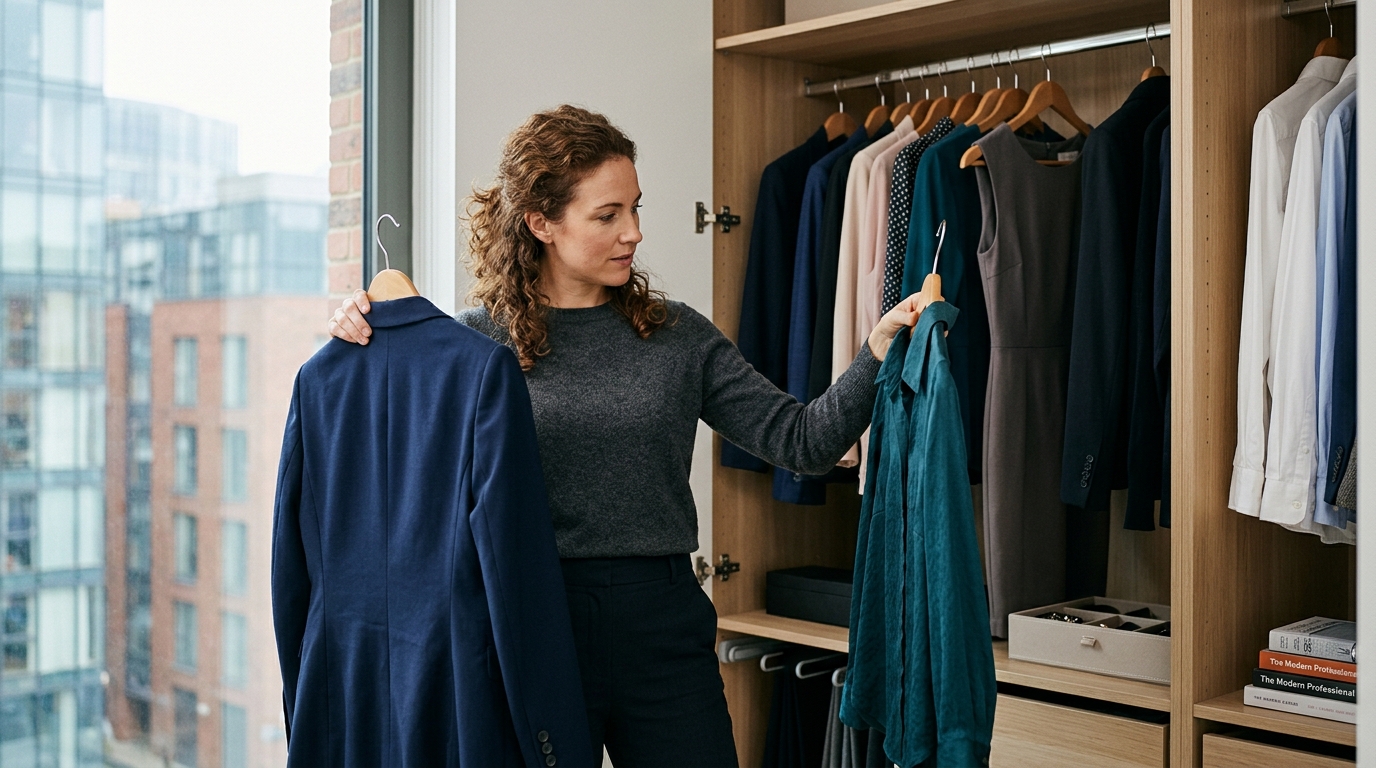
Clothing is the single preparation decision that has the most visible impact on the finished headshot and the one that most professionals spend too little time thinking about before the session. I have had clients arrive for headshots in clothing that looked perfect in person and photographed poorly, and clients who arrived unsure about their outfit choice who ended up with their strongest professional image in years simply because of a few specific principles applied to what was already in their wardrobe.
As LinkedIn Business’s research on professional image and first impression formation1, the clothing visible in a professional photograph is one of the primary signals that determines how an audience reads the subject’s professional register before any other element of the image is processed. A professional whose clothing communicates the right level of formality for their industry and role produces a headshot that works harder for them across every channel it appears on. The specific clothing decisions that make the biggest difference include:
Colour and its effect on the image
Solid colours almost always photograph better than patterns, checks, or stripes in a headshot context. Patterns create visual complexity that draws the eye away from the face, which is the subject of the image. Stripes in particular can produce a moiré effect in digital images at certain resolutions that creates a distracting visual interference pattern. Solid mid-tones, navy, grey, burgundy, forest green, and warm browns, tend to photograph consistently well and are versatile enough to work against both light and dark backgrounds. Very bright colours such as white and yellow can create exposure challenges, while very dark colours in a dark environment can make the subject appear to merge with the background.
Fit and how it reads on camera
A well-fitted garment photographs significantly better than one that is too loose or too tight. A jacket that fits correctly across the shoulders and chest communicates authority and grooming that a slightly oversized equivalent does not. For a corporate headshot session specifically, where the frame typically includes the head, shoulders, and upper chest, the collar area and shoulder line are the most visible clothing elements. These should be clean, well-pressed, and correctly fitted. Bring a lint roller and a travel steamer or iron any items that have been packed or stored, because fabric creases are significantly more visible in a photograph than they appear in a mirror.
What to bring rather than what to wear
Bring two or three options and let the photographer help you choose on the day. What reads as the stronger choice in a mirror at home may not be the stronger choice against the specific background and lighting setup of the session. Bringing options also provides a practical backup if one choice does not work as expected once it is in front of the camera. A spare option that takes five seconds to change into is significantly better than arriving with a single choice and discovering it does not work after the session has begun.
Grooming and Physical Preparation for Headshot Day
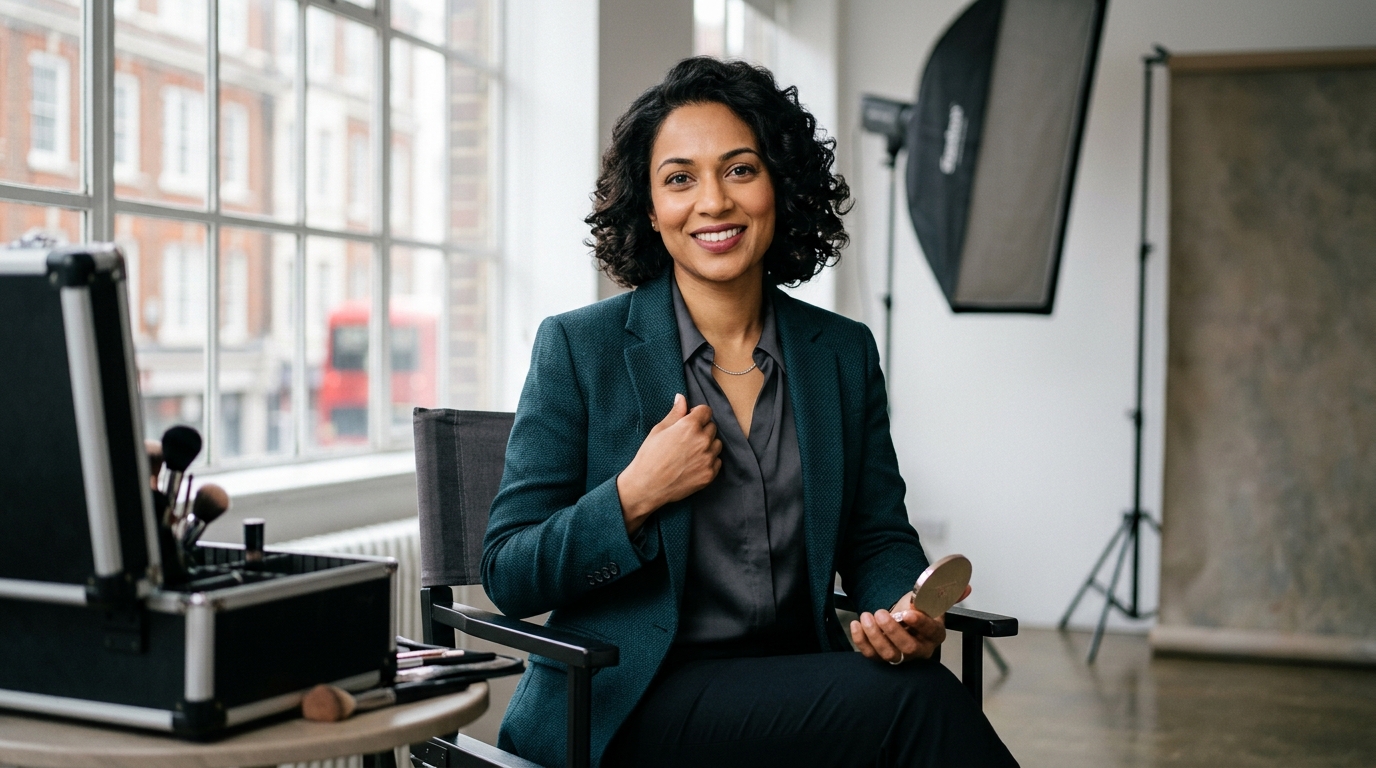
Grooming for a headshot session is not about looking different from your everyday professional self. It is about ensuring that the version of yourself that appears in the image is the best-presented version of your professional self, which in practice means taking care of a small number of specific things that make a consistent difference to how headshots look.
As Bernardson Photography’s guide to professional portrait preparation and grooming2, the most common grooming oversights that affect the quality of corporate headshots are not the obvious ones that most professionals consider. They are the overlooked details that are invisible in everyday professional life but become visible under the specific conditions of professional portrait photography. The specific grooming considerations that make a consistent difference include:
- Hair: book a cut or style at least three days before the session. A fresh haircut taken immediately before a headshot session often looks too sharp and not fully settled. A cut taken two to four days before the session has time to settle naturally and looks its best under a camera. If you colour your hair, ensure the colour is fresh and not showing visible regrowth at the parting or temples.
- Skin: keep it simple and consistent with how you look day to day. A headshot that makes a professional look dramatically different from their everyday appearance creates a disconnect that undermines its usefulness. The goal is the best professional version of the everyday you, not a transformation. For women, this typically means professional makeup at the level you would wear for an important client meeting. For men, a close shave or well-maintained beard, with any redness or dry patches addressed with a light moisturiser the morning of the session.
- Glasses: bring them and discuss with the photographer. If you wear glasses daily and want to wear them in your headshot for authenticity, bring them to the session and discuss the positioning with the photographer before shooting begins. Glasses can produce reflections that obscure the eyes depending on the lighting angle, and a photographer who knows they are part of the shot can adjust their setup to minimise this before any frames are taken.
- Get a full night’s sleep the night before. This is not a cliche. The difference in how a face photographs after a genuinely good sleep versus a poor one is visible in every image. The skin looks more even, the eyes are clearer, and the expression is more naturally relaxed. If the session is important, treat the preparation seriously. Do not organise a late evening the night before a morning headshot session and expect the photography to compensate for it.
• Avoid starting a new skincare routine immediately before the session. A new product introduced in the days before a headshot session can cause unexpected skin reactions, redness, or texture changes that are not visible normally but become apparent under strong directional lighting. Stick to the routine you know works for you.
What to Tell Your Headshot Photographer Before the Session Begins
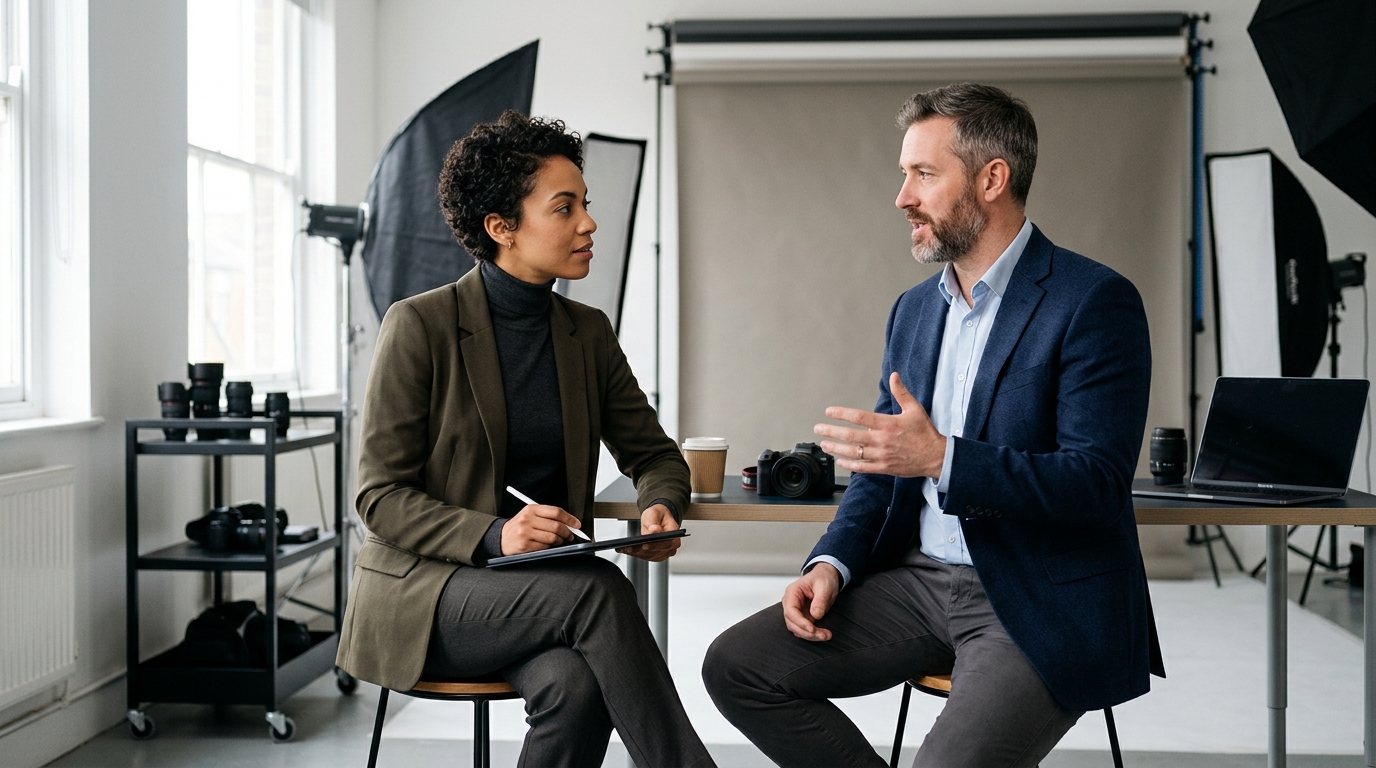
The briefing conversation before a headshot session is the moment when the photographer learns everything they need to know to produce images that serve the specific person in front of them rather than a generic professional portrait. Most clients treat this conversation as a formality. The clients who get the most from their sessions treat it as the most important part of the preparation.
As Social Tables’ guide to professional portrait photography preparation and client communication identifies, the specific information that makes the biggest difference to a headshot session outcome is the information about intended use and personal context that the photographer would have no way of knowing without being told. The specific information to share before the session begins includes:
- Where the headshot will primarily be used. LinkedIn, the company website, a speaker biography, a press kit, a company annual report, and a client-facing proposal all create different requirements for the image. LinkedIn favours a warmer, more approachable register. A press kit favours something more authoritative and editorial. A company annual report may require a consistent format that matches other portraits in the same publication. Telling the photographer the primary use context allows them to direct the session toward the register and format that serves that context best.
- How you want to come across professionally. Approachable and warm, or authoritative and serious? Creative and individual, or corporate and polished? Neither answer is better or worse but they produce fundamentally different images and require different direction from the photographer. Most professionals sit somewhere between these poles, which is exactly the right answer, but knowing where you sit allows the photographer to produce images that feel authentic to who you are rather than to a generic professional type.
- Any specific concerns about being photographed. If you hate having your photograph taken, tell the photographer at the start. If you have a side of your face you find more photogenic, tell them. If you have a feature you feel self-conscious about, tell them. This is not vanity. It is information that allows the photographer to direct you in a way that makes you feel comfortable and produces images you will actually want to use. A photographer who does not know about a specific concern cannot address it.
• The background and format requirement if known. If the company has a house style for headshots, plain white background, consistent crop, specific colour palette, bring that information to the session rather than discovering afterward that the images need to be adapted to fit a format that was not briefed. Many companies with established visual identities have specific headshot formats that all employees’ images should conform to. Knowing this before the session rather than after saves the cost of a reshoot.
During the Session: How to Behave in Front of the Camera
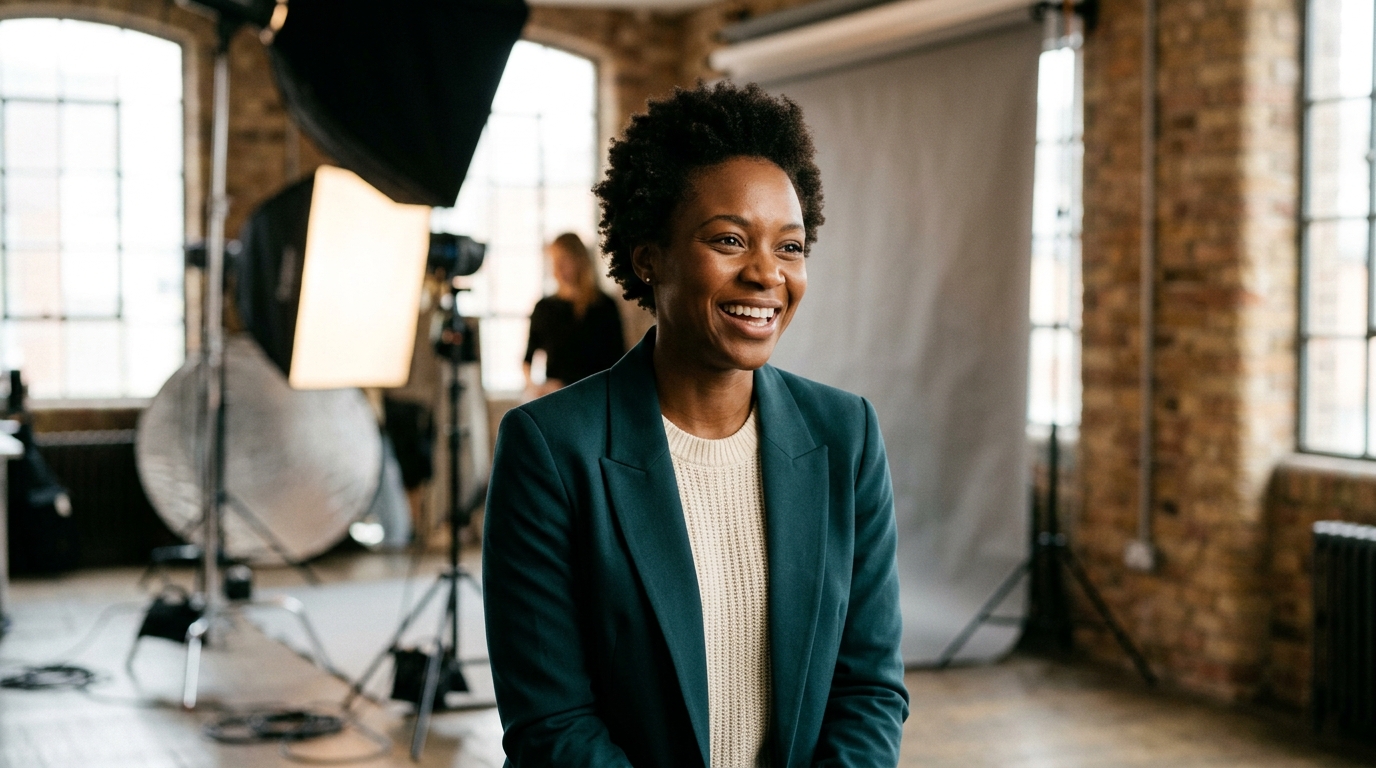
Being in front of a camera for a corporate headshot is uncomfortable for most people. I have photographed thousands of professionals in London who describe themselves as not photogenic, who hold their breath when the camera raises, and who produce a performance of professional confidence rather than the genuine article. The preparation that matters most in the session itself is not technical. It is knowing how to let the session unfold rather than trying to control every frame.
As Neurapix’s guide to professional portrait direction and natural expression techniques3, the expressions that produce the most effective corporate headshots are those captured between directed moments rather than during them. The moment a subject settles into a suggested position and begins to relax, before their face has fully composed itself for the camera, is often when the most genuinely expressive and commercially useful frame is captured. Knowing this changes how to behave during the session:
- Move between positions rather than holding them. A headshot session that asks the subject to hold a position and smile for an extended period produces a forced and static expression almost without exception. A session where the subject is asked to shift position, turn slightly, look away and back, or engage in brief conversation produces a continuously refreshed set of expressions that the photographer can select from. Trust the photographer’s direction and keep moving rather than trying to freeze the moment you think looks best.
- Let the photographer worry about what looks good. The most common mistake professionals make during a headshot session is trying to manage how they look rather than trusting the photographer to do it. This produces a self-conscious quality that is immediately visible in the finished images. The photographer can see what the camera sees. You cannot. Follow the direction, engage genuinely with the conversation the photographer creates, and let the images happen rather than trying to make them happen.
- Take breaks. Facial muscles tire during a sustained expression. A ten-second break every few minutes where the subject drops their expression entirely, looks away, and relaxes resets the face and produces a fresher and more natural expression when the photographer asks for their attention again. Do not try to maintain a professional expression continuously throughout the session. The sustained effort shows in the images.
• Review images together during the session if offered. Some photographers offer to show a selection of images partway through the session. If offered, use this opportunity to identify what is working and what could be different, and communicate that feedback to the photographer rather than internalising it. If the images show tension in the jaw, a slightly forced smile, or a head angle that does not feel right, saying so gives the photographer the opportunity to address it before the session ends.
Frequently Asked Questions
How long does a corporate headshot session take?
An individual corporate headshot session typically runs between thirty and sixty minutes, depending on the number of looks or outfit changes and the scope of the brief. A session that includes multiple background options and two outfit changes will typically run closer to sixty minutes. A focused single-look session for a professional who has prepared well and knows what they want can produce strong results in thirty minutes. For team headshot sessions where multiple individuals are being photographed, allow between fifteen and twenty minutes per person as a planning guide, adjusted for whether a hair and makeup artist is involved, which adds time at the start of each individual’s session.
Should I get hair and makeup done for a corporate headshot?
For most professionals, no, unless their industry or role is one where professional presentation is a significant part of their daily work. A well-groomed professional who has followed the preparation guidance in this article will produce strong results without professional hair and makeup. For professionals who are going to be appearing frequently in press, on television, at speaking engagements, or in high-visibility client-facing roles where their personal image is part of their professional currency, a professional hair and makeup artist on the day of the session is a worthwhile investment. As Photier’s 2025 guide to corporate headshot preparation and professional presentation4, the decision to use a hair and makeup artist should be driven by the intended use of the headshot and the professional context it serves, not by a general assumption that it will always produce a better result.
How often should I update my corporate headshot?
Every two to three years as a minimum, and immediately after any significant change in your appearance, your role, or your industry context. A headshot that is more than three years old is almost certainly no longer an accurate representation of how you look in person, which creates a disconnect between the expectation it creates and the reality a client or colleague encounters. For senior leaders and professionals who are frequently in the public eye, press, or client-facing contexts, an annual headshot refresh maintains the currency and accuracy of their professional image.
Can I use my corporate headshot on both LinkedIn and my company website?
Yes, and planning for both uses in the brief is the most efficient approach. LinkedIn displays profile images at a relatively small size with a circular crop, which means the most effective LinkedIn headshots are tightly framed on the face and shoulders. Company website headshots may be displayed at a larger size and in a specific aspect ratio determined by the website design. Telling the photographer both use contexts before the session allows them to produce compositions that work for both rather than one composition that needs to be adapted for the other. Most professional headshot sessions produce crops at multiple framings as standard, which provides flexibility across different platform requirements without requiring a reshoot.
What background works best for a corporate headshot in London?
The right background depends on the industry, the intended use, and the visual identity of the organisation. A plain white or light grey background is the most versatile and the most consistent choice for corporate team headshots where all employees’ images need to appear cohesive side by side on a website. A softly blurred contemporary office or London environment background communicates a specific sense of place and professional context that can strengthen individual headshots used in press or speaker materials. A dark or textured background can work well for senior leaders or creative professionals where individual character and authority are more important than cohesion with a team set. Browse the full headshots and portraits portfolio at eventphotographer.photos to see examples across different background styles and professional registers, then get in touch via the contact page to discuss your headshot requirements.
Book Your Corporate Headshot Session in London
Preparing for a corporate headshot session is not complicated. It is a small number of clear decisions made in advance: the right clothing choices, the right grooming, the right information shared with the photographer before the session begins, and the right approach in the room during the shoot. The professionals who prepare well consistently produce images they use for years. The professionals who do not are the ones who find themselves scheduling another session six months later because the first set never quite felt right.
Joel Knight is a London-based headshot and portrait photographer with extensive experience working with professionals across law, finance, technology, media, and the creative industries. Browse the full headshots and portraits portfolio and the corporate and awards photography portfolio at eventphotographer.photos, then get in touch via the contact page to discuss your session.
REFERENCES & CITATIONS
- LinkedIn Business (2023). Professional Image and First Impression Formation: How Clothing and Context Signal Professional Register. business.linkedin.com. Cited in H2 Section 1. [The clothing visible in a professional photograph is one of the primary signals that determines how an audience reads the subject’s professional register before any other element of the image is processed.]
- Bernardson Photography (2025). Professional Portrait Preparation and Grooming: The Details That Affect Corporate Headshot Quality. bernardson.com. Cited in H2 Section 2. [The most common grooming oversights that affect the quality of corporate headshots are the overlooked details that are invisible in everyday professional life but become visible under the specific conditions of professional portrait photography.]
- Social Tables (2025). Professional Portrait Photography Preparation and Client Communication: Pre-Session Information Exchange. socialtables.com. Cited in H2 Section 3. [The specific information that makes the biggest difference to a headshot session outcome is the information about intended use and personal context that the photographer would have no way of knowing without being told.]
- Neurapix (2025). Professional Portrait Direction and Natural Expression Techniques: Between-Moment Photography. neurapix.com. Cited in H2 Section 4. [Expressions that produce the most effective corporate headshots are those captured between directed moments rather than during them, when the subject is settling into a position and beginning to relax.]
- Photier (2025). Corporate Headshot Preparation and Professional Presentation: Hair and Makeup Decision Framework. photier.com. Cited in H2 Section 5 FAQs. [Decision to use a hair and makeup artist should be driven by the intended use of the headshot and the professional context it serves, not by a general assumption it will always produce a better result.]